Bulldog weighted vest — practical review and buying guide
Bulldog-style weighted vests are often a first step for people who want a rugged, utility-first training tool. This guide breaks down fit, comfort, durability, and rucking performance so you can decide whether a Bulldog-style vest meets your needs or if an alternative might serve better.
What to expect from a Bulldog weighted vest
In simple terms, a Bulldog-style vest emphasizes durability and simplicity over trim, athletic fit. Expect heavy-duty nylon or canvas, wide shoulder coverage, and a slot- or pocket-based weight system. That makes these vests excellent for basic conditioning and yard work, and fine for short rucks. But fit and movement comfort vary by brand, so know what to check before buying.
Fit and comfort: the most important factors
When assessing a Bulldog weighted vest, focus on how it distributes weight and how it moves with your shoulders and torso:
- Shoulder padding and strap width — wider straps reduce pressure on the trapezius during longer walks.
- Chest adjustment — a secure chest strap stops lateral shift of plates during dynamic work.
- Torso length — too long will hit the hips; too short will ride up during rucking.
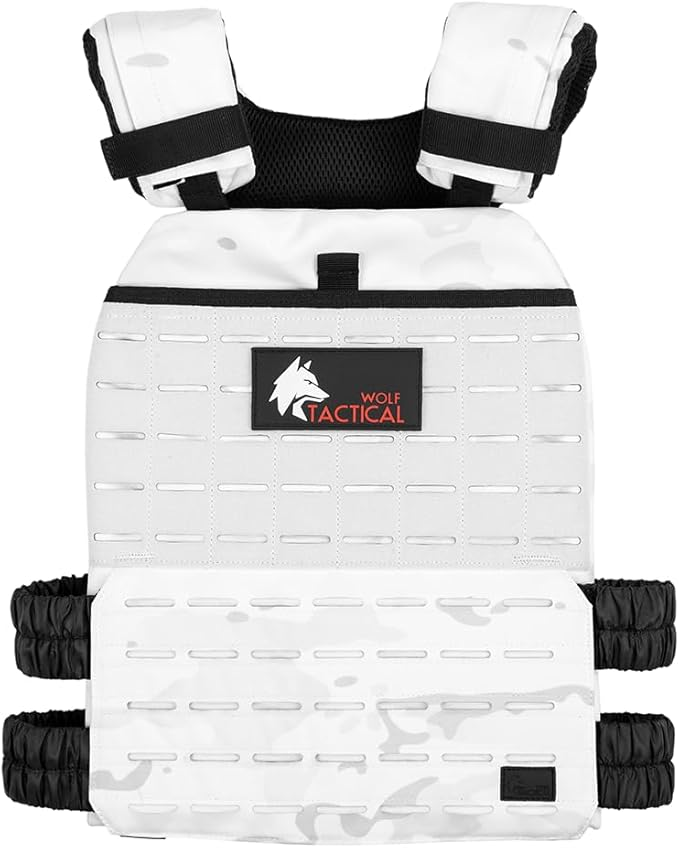
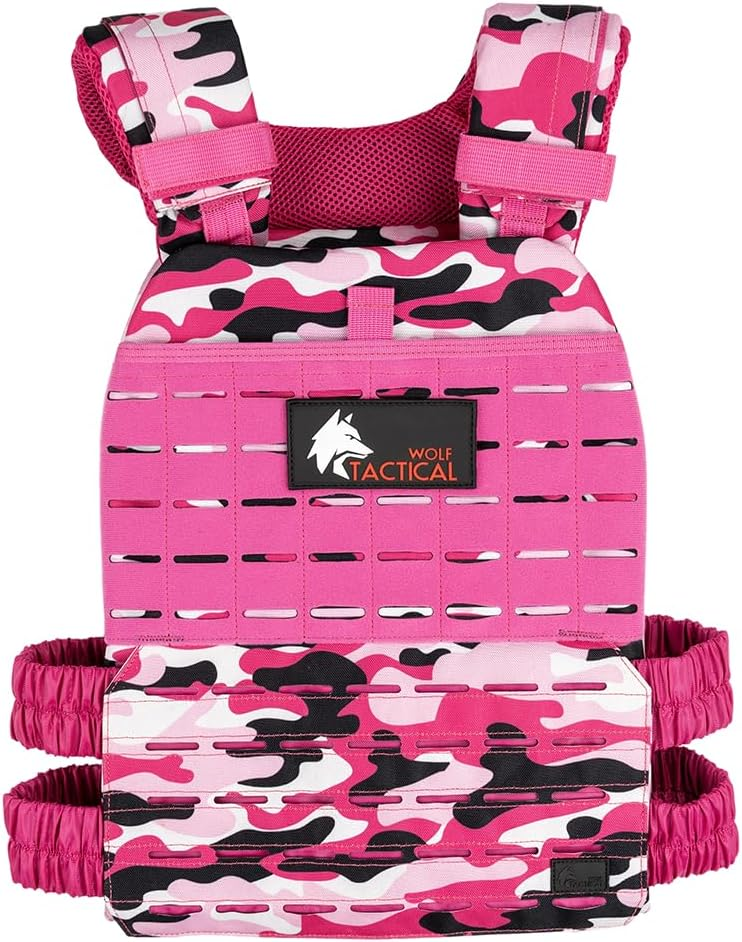
If your priority is beginner comfort or long walk/ruck sessions, consider a vest designed with ergonomic contouring. For a durable, comfortable everyday option, the WOLF TACTICAL Simple Weighted Vest (Men/Women) is a reliable alternative for many users.

Durability and weight system
Bulldog vests typically use sewn pockets or internal sleeves for weight. That keeps the design simple but sometimes limits customization. If you plan to progress weights incrementally, confirm the vest accepts plate-style inserts or individual sand/lead packs. Stitching and fabric denier are obvious durability cues — higher denier nylon and reinforced seams last longer in outdoor conditions.
Using a Bulldog vest for rucking
Bulldog vests can serve as a rucking tool for short, mixed-terrain walks. For long-distance or military-style rucks, moving to a load-bearing rucksack or a plate-compatible vest is more comfortable. When you plan to ruck, monitor hotspots and adjust weight distribution; add chest straps or thin foam pads where pressure concentrates.
How to choose based on training goals
- Strength-focused: choose plate-compatible systems or heavy-duty vests designed for concentrated loading.
- Endurance and walking: look for ergonomics and ventilation — slimmer, padded designs reduce chafing.
- Beginner or general fitness: simple Bulldog-style vests are fine if they fit well and let you increment weight safely.
Estimate your calorie burn with a rucking calculator
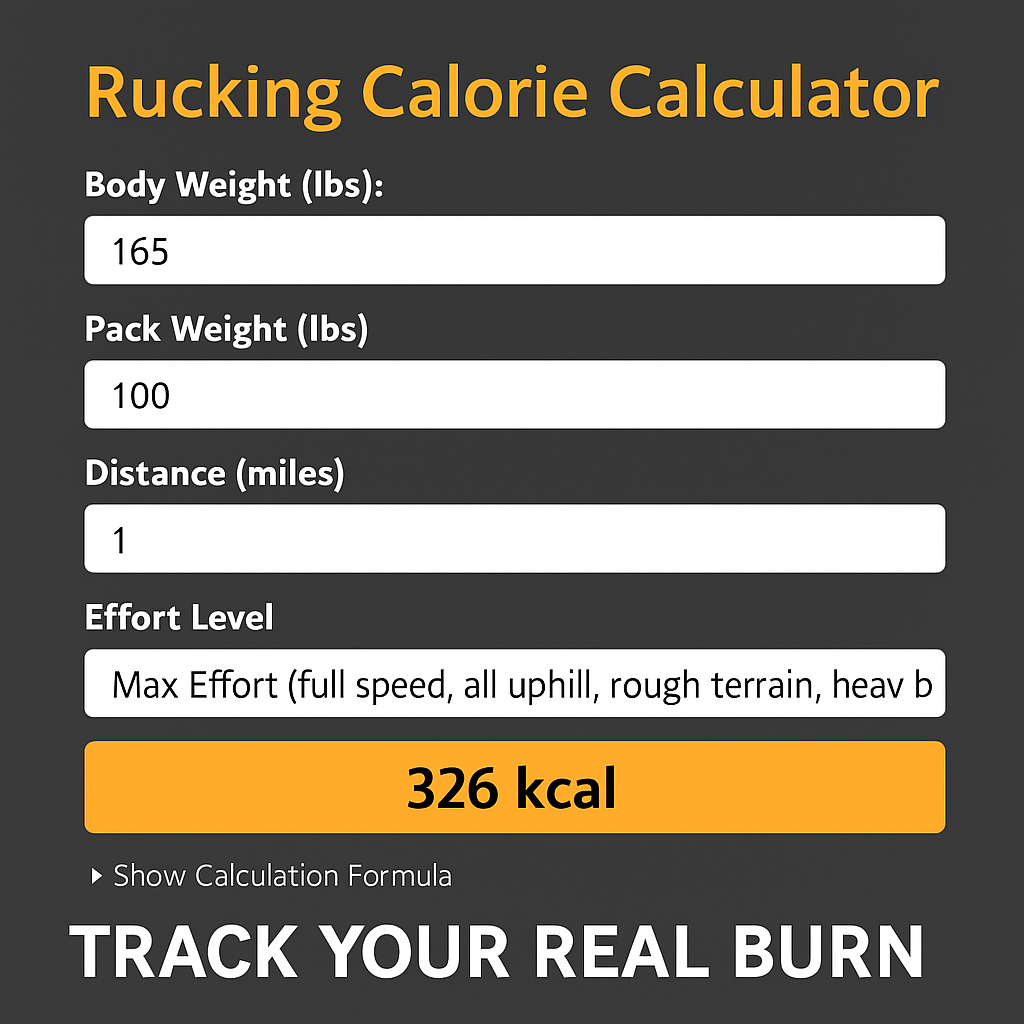
Before you buy, estimate how many calories you’ll burn wearing a weighted vest on walks. Use the rucking calorie calculator to plug in weight, vest load, and pace. That helps set practical goals for frequency and weight progression.

Maintenance tips
- Air-dry after wet sessions to prevent mildew.
- Check stitching around weight pockets monthly.
- Replace foam or padding if compressed to the point of causing pressure points.
Bulldog-style weighted vests are a pragmatic choice for many outdoor trainers—durable and straightforward. But prioritize fit and weight system flexibility if you plan to ruck frequently or progress heavily. If comfort is a top priority, compare Bulldog options to ergonomically designed vests like the WOLF TACTICAL Simple Weighted Vest (Men/Women), and always test fit before pushing volume.