Why a weighted vest and how to choose the right one
If you’re ready to buy weighted vest gear, you want something that adds load without wrecking your form. The best pick balances adjustability, comfort, and durability so you can progress safely from easy walks to tougher hill sessions, push-ups, pull-ups, and stair work.
Start with the right weight
- Beginners: 5–10% of bodyweight for walks and basic calisthenics.
- Intermediate: 10–20% of bodyweight for longer rucks, hills, and circuits.
- Advanced: Only go heavier if you can maintain posture and breathing under load.
Adjustability matters. Fixed-plate vests feel sleek but lock you into a single weight. Modular systems let you progress in small steps (1–5 lb increments) so your joints and tendons adapt.
Fit, comfort, and stability
- Straps: Look for wide, easily adjustable shoulder and side straps to prevent bouncing.
- Profile length: Shorter profiles keep the vest off your hips and out of your way during squats, lunges, and running drills.
- Airflow: Mesh channels and abrasion-resistant fabric reduce heat and hotspots on long walks.
- Quiet carry: Low-noise materials and snug plates help on runs and stairs.
Match the vest to your goal
- Walking/rucking: Prioritize comfort, breathability, and weight balance for longer durations.
- Calisthenics: Choose a stable, close-to-body fit that won’t shift during push-ups, dips, and pull-ups.
- Intervals/hills: A secure, high-riding vest reduces bounce and protects the diaphragm so you can breathe under stress.
Trainer-recommended picks
For most athletes who want dependable fit and smart progression, I like these two options:
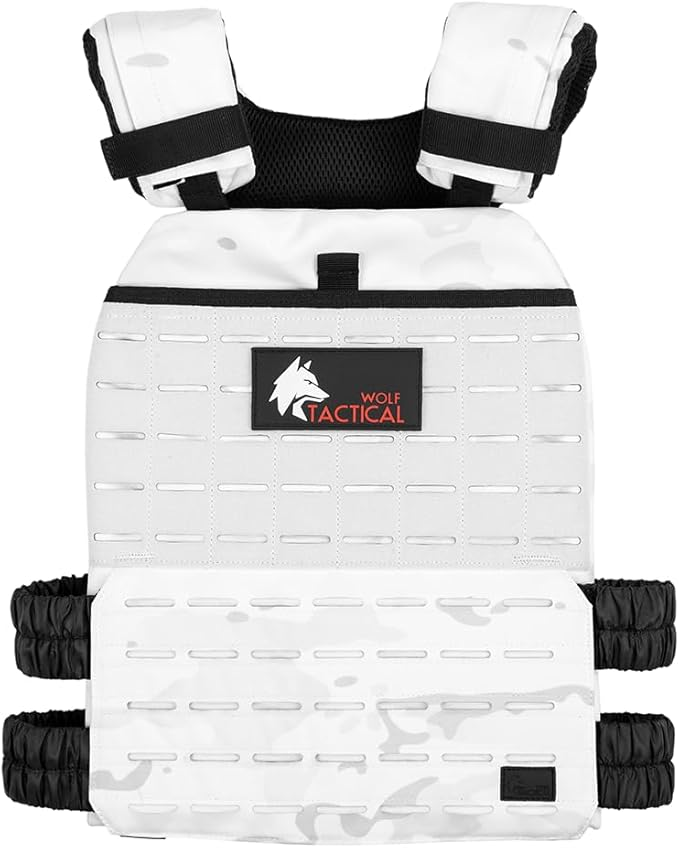
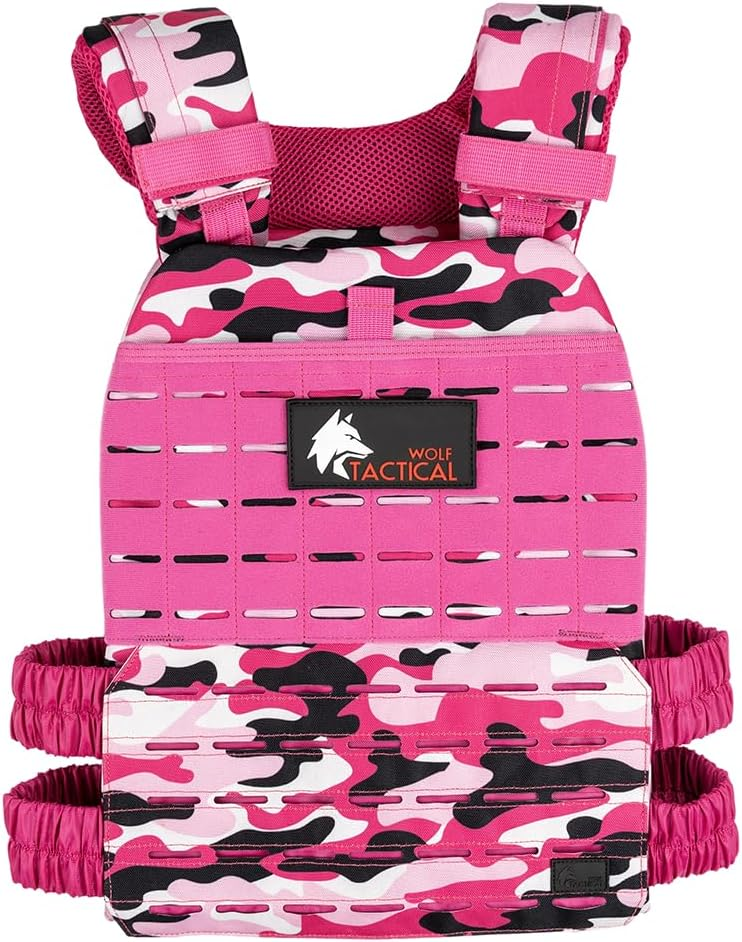
Wolf Tactical Adjustable Weighted Vest — a breathable, budget-friendly choice with solid adjustability that suits walks, circuits, and beginner rucks.

5.11 Tactical Unisex TacTec Trainer Weight Vest — premium comfort and durability with an ergonomic cut that shines during longer sessions and higher-intensity work.

Sizing and progression plan
- Measure torso: If you’re between sizes, choose the smaller for a tighter lock-down.
- Progression: Add 1–5 lb every 1–2 weeks once pace and breathing feel normal.
- Cadence: Keep a conversational pace for walking; shorten your stride for hills and stairs.
- Technique: Stand tall, ribs down, and drive through the midfoot; avoid overstriding.
Estimate your calorie burn
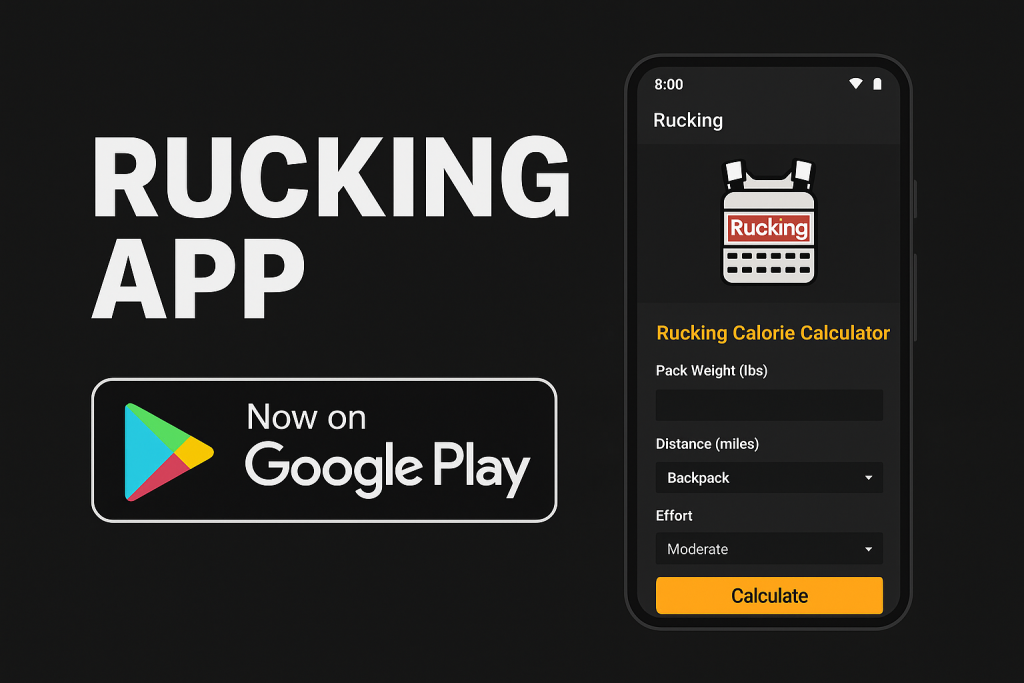
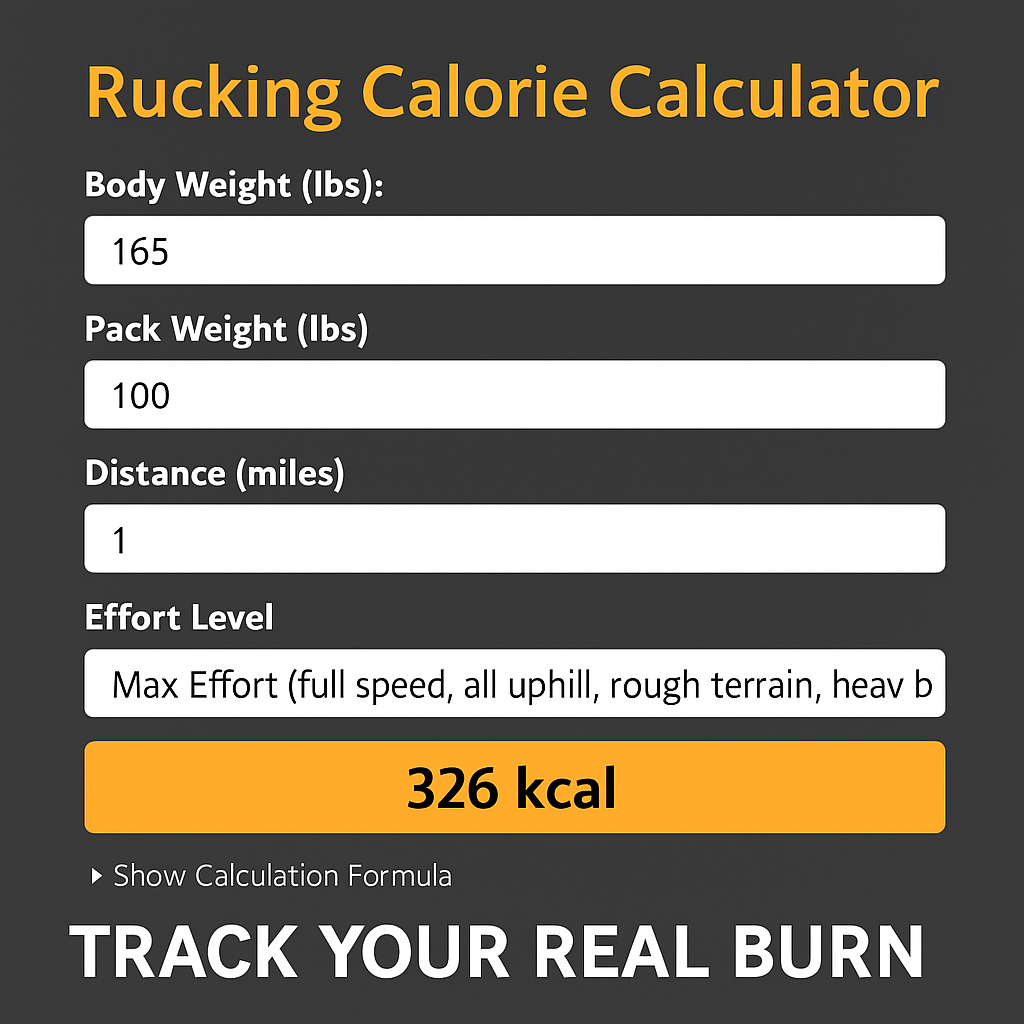
Want a quick way to estimate session intensity? Use this simple tool for weighted walks, rucking, or vest workouts. Enter your bodyweight, load, pace, and time to get an estimate.

Safety checklist
- Warm up 5–10 minutes: hips, ankles, and T-spine.
- Footwear: Choose supportive shoes with enough midsole to handle the load.
- Surface: Start on flat, even routes before moving to trails or stairs.
- Recovery: Hydrate, walk down the load on easy days, and sleep 7–9 hours.
Bottom line: when you buy weighted vest gear, prioritize adjustable load, secure fit, and breathable materials. Start light, progress patiently, and let your form and breathing be the guide.