Why use a calisthenics weight vest?
Adding external load through a calisthenics weight vest is one of the most efficient ways to increase strength, hypertrophy, and calorie burn while preserving movement quality. In my experience coaching outdoor athletes and ruckers, a vest lets you progress familiar patterns — push-ups, pull-ups, dips, squats — without changing joint angles or technique.
Basic principles before you load up
- Master the bodyweight movement with clean technique for multiple sets at moderate reps (3–5 sets of 8–15).
- Add weight incrementally — small increases preserve form and reduce injury risk.
- Use rep ranges to target your goal: strength (3–6), hypertrophy (6–12), endurance (12+).
- Warm up dynamically and include scapular work before loaded calisthenics.
How to progress with a weighted vest
Start with 5–10% of your bodyweight if you’re generally fit and new to loading. For athletes who are experienced with loaded carries, the starting point may be higher. A simple, safe progression looks like this:
- Week 1–2: +5% bodyweight, focus on technique and breathing.
- Week 3–4: +10% bodyweight if you can maintain sets and reps.
- Increase by 2–5% every 2–4 weeks depending on recovery and performance.
Sample calisthenics session with a vest
Use a durable, well-fitted vest. Here’s a practical session built around progressive overload:
- A1: Weighted push-ups — 4 sets of 6–10 reps.
- A2: Weighted pull-ups — 4 sets of 4–8 reps.
- B1: Weighted Romanian split squat or pistol progressions — 3 sets of 6–10 each leg.
- B2: Elevated dips with weight — 3 sets of 6–10 reps.
- Cooldown: banded shoulder mobility and light core work.
Choosing the right vest
If you plan to push heavy for low reps and use calisthenics as strength work, a plate-capable vest like the Kensui EZ-VEST® MAX V2 is a great long-term option. It handles very high loads and keeps weight centered for cleaner movement.

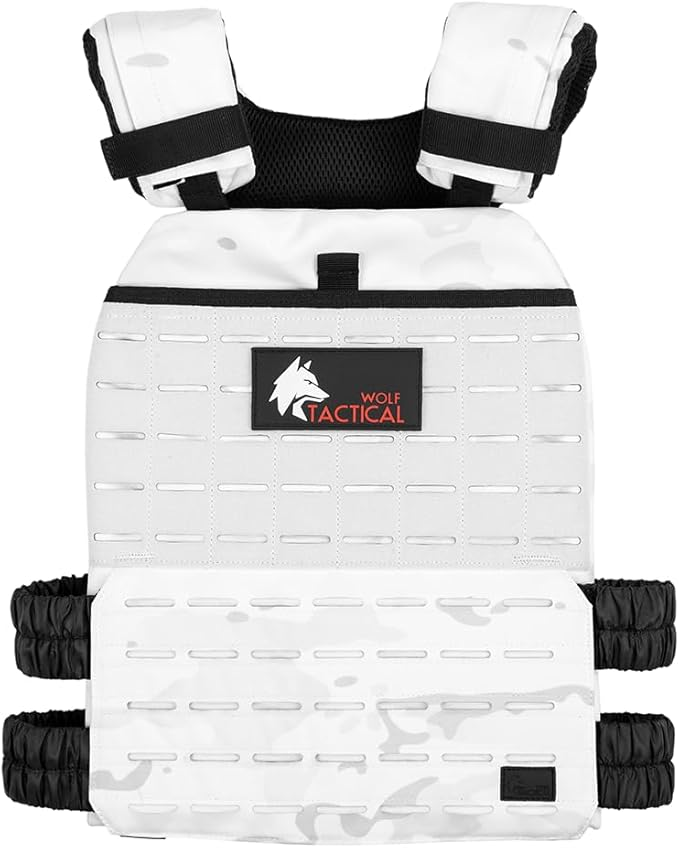
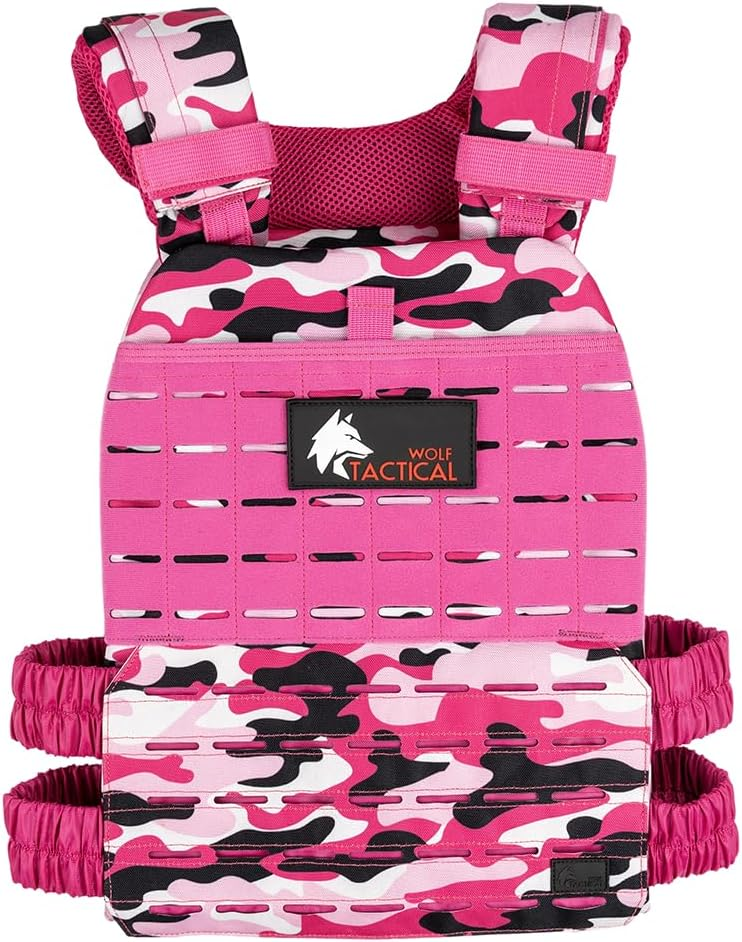
For beginners who want something comfortable for higher-rep work and walking rucks, the WOLF TACTICAL Simple Weighted Vest balances fit and modest loading while staying budget-friendly.

Programming and recovery tips
Keep volume consistent and only increase load when your total reps per session improve or remain stable. If you use a vest for multiple sessions per week, prioritize sleep, protein intake, and condition-specific mobility — loaded calisthenics taxes tendons differently than bodyweight-only work.
Tool: estimate extra calorie burn
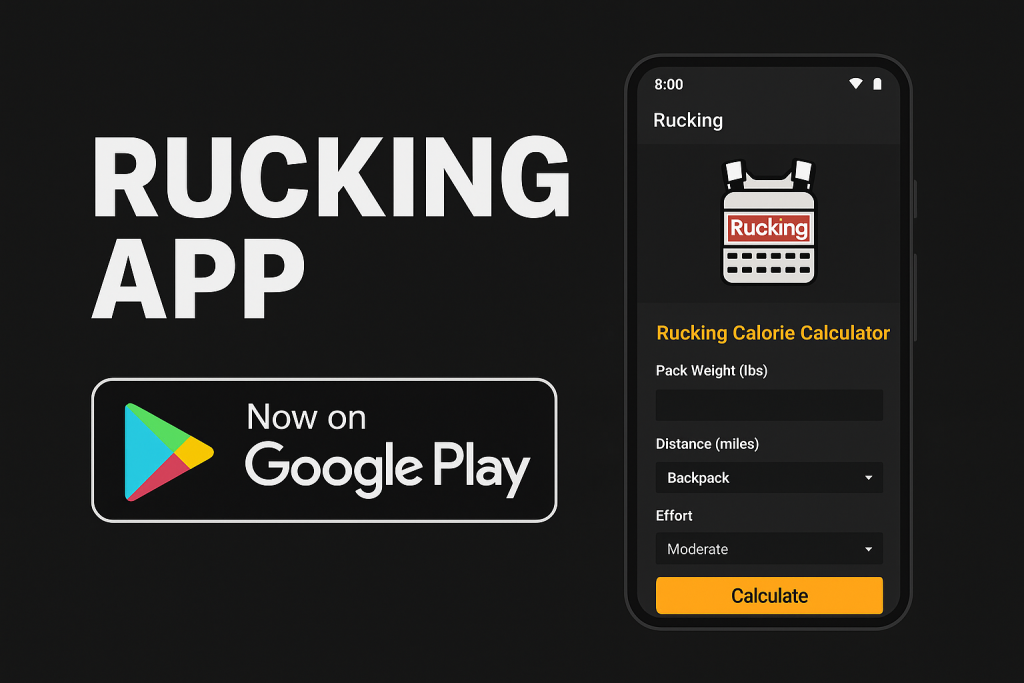
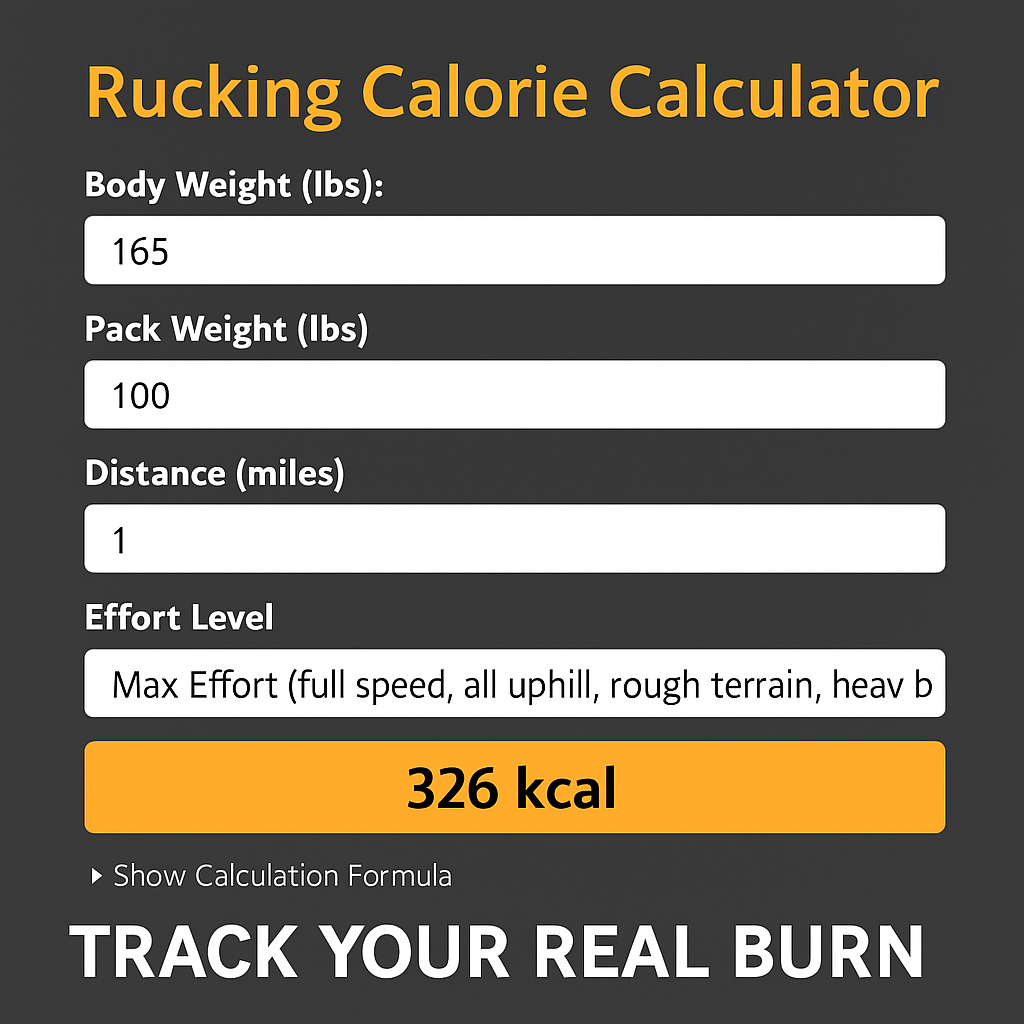
Weighted calisthenics increases energy expenditure. Use the Rucking Calorie Calculator to estimate how many extra calories you’re burning when you add load to workouts or walks:

Use the calculator to adjust nutrition around your training days and to keep progress sustainable.

I lost 90 lbs through rucking, weighted-vest training, and disciplined nutrition, and I still recommend weighted vests as one of the most reliable tools to maintain a lower body weight and burn fat consistently. Train deliberately, progress slowly, and pick a vest that matches the loads and movements you want to prioritize.