Why choose a camo weighted vest?
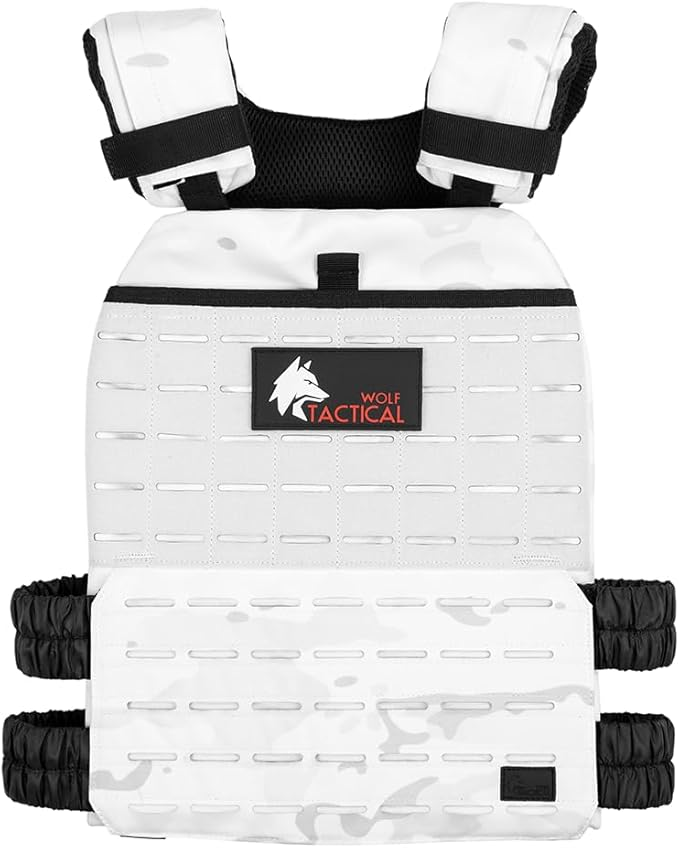
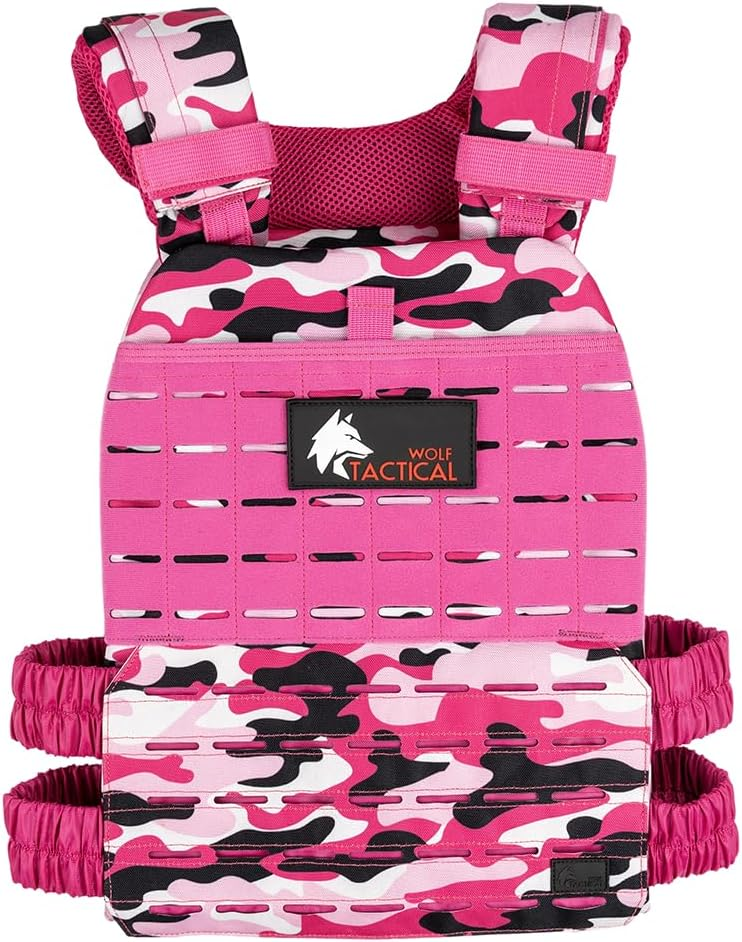
A camo weighted vest gives you the benefits of extra load while staying low-profile outdoors. For rucking, walking, or tactical-style conditioning, camo patterns reduce visibility and look purposeful on trail or road. More importantly, the right vest moves with your body, distributes weight across the torso, and lets you focus on pace, posture, and progressive overload.
Fit and comfort first
Start by prioritizing fit. A correctly fitting camo weighted vest should sit high on the chest and low on the back without riding up when you swing your arms. Look for adjustable shoulder straps and side compression so you can lock the load close to your center of gravity. If a vest chafes at the shoulders or under the arms on a short walk, it will punish you on longer rucks.
- Try it with the weight you’ll use most often (5–25% of your bodyweight for beginners).
- Move through a few squats, lunges, and arm swings to check range of motion.
- Prefer modular plate pockets if you plan to add or remove small increments.
Choosing load and progression
Begin with conservative loading: start around 5–10% of bodyweight for walking and conditioning, increase by 5 lb increments every 1–2 weeks depending on recovery. If you plan to use the vest for strength circuits or hill repeats, you can progress faster but watch form. Rucking with a camo vest is about accumulating time under tension and steady cardiovascular work — not maximal lifts.
Use cases: ruck, run-walk, and circuits
For long-distance rucks, choose a vest that breathes and has a secure fit. For tempo walks and intervals, a slimmer, low-profile camo vest is better. For calisthenic circuits where you need full shoulder mobility, a plate-compatible vest that spreads load across the torso is preferable.
Safety and skin care
Protect your skin with a base layer to reduce chafing, and keep load increments small after the initial adaptation period. Hydrate before and during longer efforts and plan rest stops. If you notice persistent pain (not general muscle soreness), reassess load and fit immediately.
Try the calculator
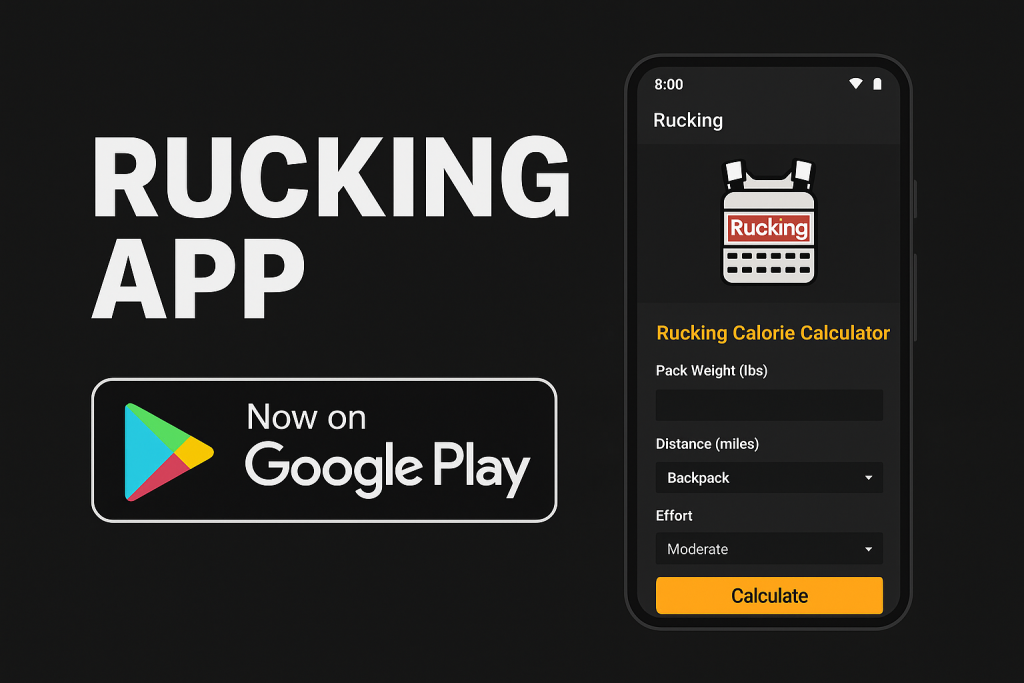
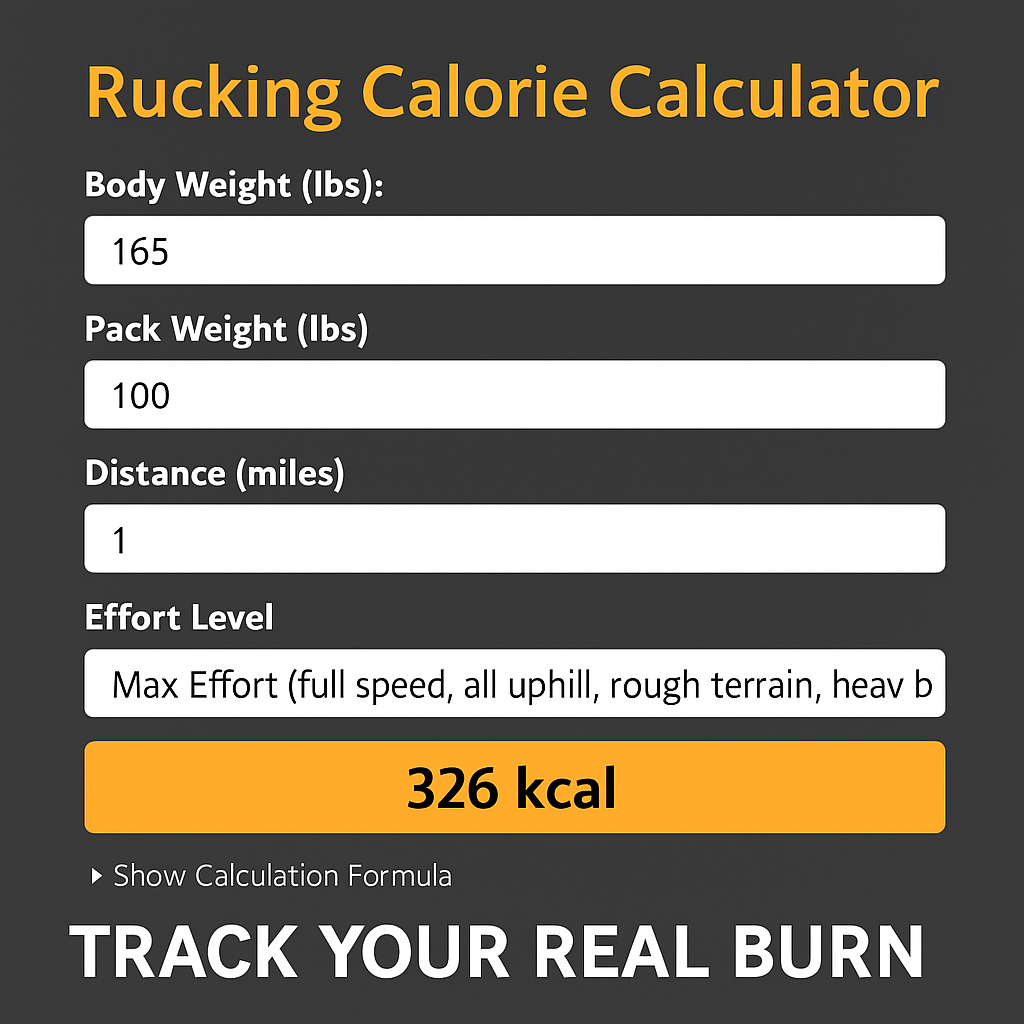
Estimate your calorie burn from rucking or weighted walking using the Rucking Calorie Calculator. It helps you plan pace, weight, and distance so you can progress safely without guesswork.

Recommended products
For a balance of comfort and tactical styling, I often recommend simple, adjustable vests that let you add or remove weight in small increments.

I also recommend a rugged ruck for longer loads or when you want a true backpack-style carry. The GORUCK Rucker 4.0 20L pairs well with a camo vest if you need to mix hydration and heavier plate loads.

Quick program outline
- Week 1–2: 20–40 minute walks with 5–10% bodyweight, 3x/week.
- Week 3–6: Increase to 30–60 minutes, add 5–10 lb every 7–10 days if recovery is good.
- After 6 weeks: include one longer ruck (60–90+ minutes) and one interval day per week.
Choice of a camo weighted vest is as much about function as style. Prioritize fit, adjustability, and gradual progression. Use the calorie calculator above to align effort and nutrition with your goals, and treat the vest as a tool for consistent, outdoor-first conditioning.