Short answer: yes, you can lose weight wearing a weighted vest—if you pair it with a sensible calorie deficit and consistent walking or bodyweight training. A vest increases the work your body does at the same pace, helping you burn more calories per minute and maintain lean mass. Here’s how to use one safely and productively.
Why a weighted vest helps with fat loss
- Higher energy cost at the same pace: Adding 5–15% of your bodyweight boosts heart rate and oxygen use without needing to go faster.
- Muscle-preserving stimulus: Light external load signals your body to hold onto lean tissue while you diet.
- Joint-friendly: Unlike running, brisk walking with a vest keeps impact modest while still elevating intensity.
How to set your load and progress
- Start at 5–10% of bodyweight (e.g., 10–20 lb for a 200 lb person). If you’re new to weighted work or have joint history, start lower.
- Progress slowly: Add 2–5 lb every 1–2 weeks as your gait, breathing, and recovery stay controlled.
- Target range: Most walkers do best at 10–15% of bodyweight for steady-state sessions. Go lighter for hills or longer duration.
Weekly structure that works
- 2–4 vest walks/week, 20–45 minutes each at a conversational pace (Zone 2–3, RPE 4–6/10).
- Optional hills or intervals 1x/week: 3–6 repeats of 1–3 minutes uphill, easy walk back down.
- Strength or mobility on non-vest days to support posture and hip/knee resilience.
Estimate your calorie deficit and timeline
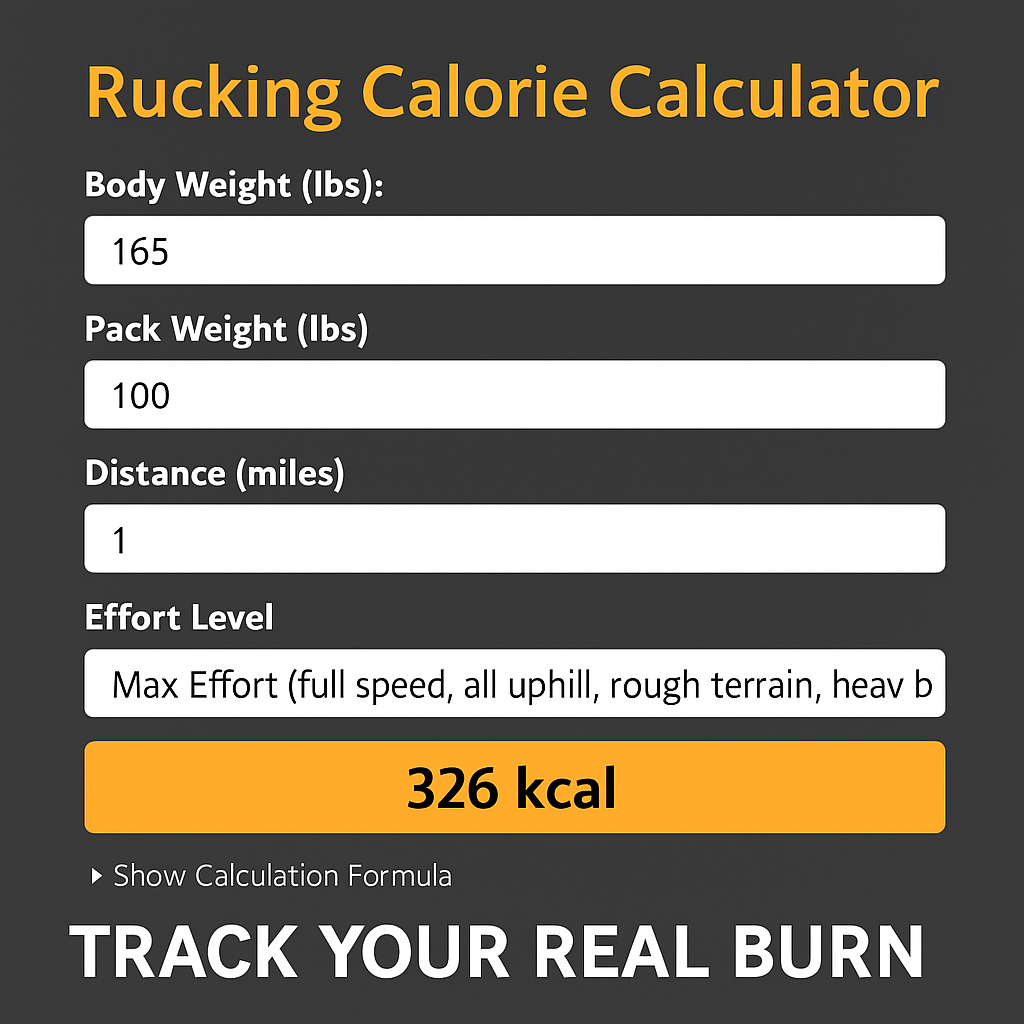
Weight loss still comes down to a consistent deficit. Use this calculator to plan a realistic pace and match training to nutrition:
Rucking Weight Loss Calculator

Practical target: a 300–500 calorie daily deficit usually yields about 0.5–1.0 lb/week while keeping energy and performance stable.
Technique and safety cues
- Fit: Snug the vest high and tight so the weight doesn’t bounce. Even plate distribution front/back.
- Stride: Shorter steps, slight forward lean, midfoot landing.
- Posture: Ribs down, shoulder blades lightly back and down, eyes on the horizon.
- Surface: Start on flat, firm ground. Add hills later.
- Recovery: If shins, knees, or low back bark, reduce load or duration for a week.
Beginner sample week
- Mon: 25–30 min vest walk at 5–8% bodyweight
- Wed: 30–35 min vest walk + 5 min easy cooldown
- Fri: 20–25 min steady, then 3 x 1 min brisk with 2 min easy
- Sat or Sun: Optional 30–40 min unweighted walk or light mobility
Gear I trust for fat-loss walks
Comfort, adjustability, and stability matter more than max load when the goal is consistent calorie burn.
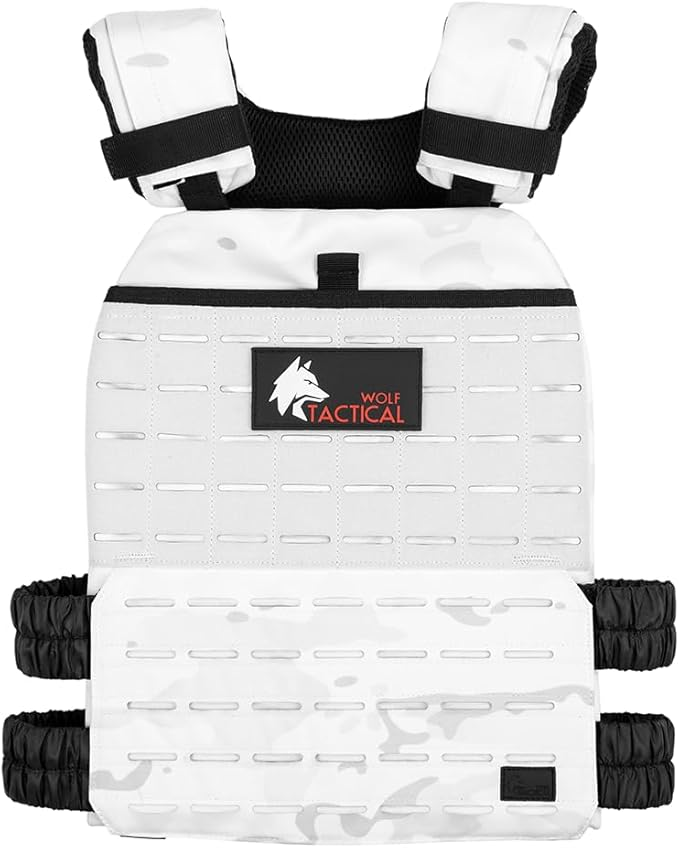
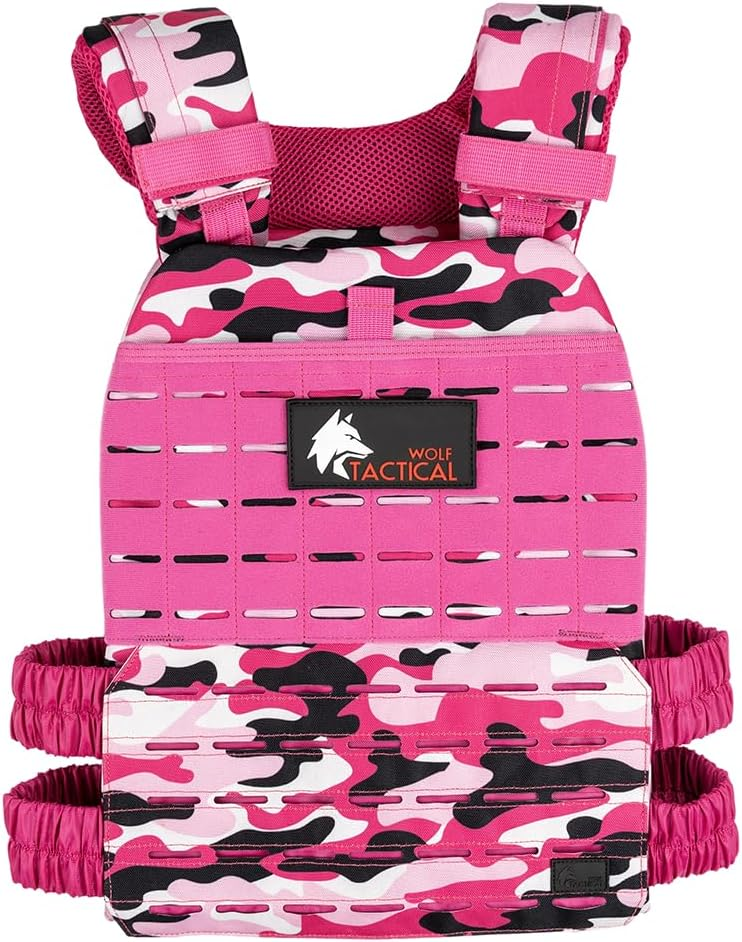
The Wolf Tactical Adjustable Weighted Vest is a solid value for most walkers: breathable, easy to cinch tight, and simple to scale up as you get fitter.

If you want premium comfort and durability, the 5.11 TacTec Trainer Weight Vest rides close to the body and stays put on hills or intervals.

Common mistakes to avoid
- Too heavy, too soon: Jumping straight to 20–30% bodyweight stalls progress and irritates joints.
- Running in a vest: Keep it to fast walking; save jogging for unweighted days.
- Daily hard sessions: Aim for 2–4 focused walks/week and sprinkle easy recovery walks in between.
- Ignoring nutrition: Track portions, prioritize protein, and keep the deficit moderate.
Bottom line
Yes, you can lose weight wearing a weighted vest. Choose a comfortable vest, start light, walk consistently, and pair it with a steady calorie deficit. Progress the load gradually and you’ll see reliable, sustainable fat loss without beating up your joints.