What is a cap weighted vest and who should use one?
A “cap weighted vest” typically refers to a low-profile, cap-like vest or small load-carrying vest that concentrates weight across the upper chest and shoulders rather than full-torso plates. These are useful when you want the metabolic benefit of added load without the bulk of a heavy plate carrier or large rucksack. They suit walkers, light ruckers, and athletes who need range of motion for calisthenics.
Key benefits
- Improved calorie burn on walks and timed circuits without drastically changing gait.
- Better posture cueing — a modest anterior load helps keep the chest up and shoulders back.
- Easy to layer under a jacket or over a shirt for year-round use.
Fit, comfort, and safety
Fit matters more with cap-style vests because concentrated weight can create hotspots. Look for adjustable straps and removable pockets so you can rebalance small plates or sand packs. Start with 2–5% of your bodyweight for steady-state walking and progress slowly: add 1–2% increments every 2–4 weeks depending on comfort and recovery.
Practical checklist when buying or using a cap weighted vest:
- Padding at the collarbones and shoulders to avoid chafing.
- Low-profile plates or soft weight pockets to maintain range of motion.
- Durable buckles and a snug system so the load doesn’t shift during intervals.
Programming with a cap weighted vest
Use a cap weighted vest for three main session types:
- Steady-state walks or rucks: 30–90 minutes at conversational pace to increase daily calorie burn.
- Interval walks or hill repeats: 10–30 minute sessions alternating effort to build conditioning.
- Calisthenics and circuits: push-ups, rows, and air squats benefit from a low-profile anterior load that preserves movement mechanics.
Example progression for a beginner: Weeks 1–2 use 5 lbs for 20–30 minute walks three times per week. Weeks 3–4 increase to 8–10 lbs or add a short interval day. Monitor soreness and breathing; cap vests can feel heavier than their weight suggests because load sits near the shoulders and chest.
Tracking calorie burn
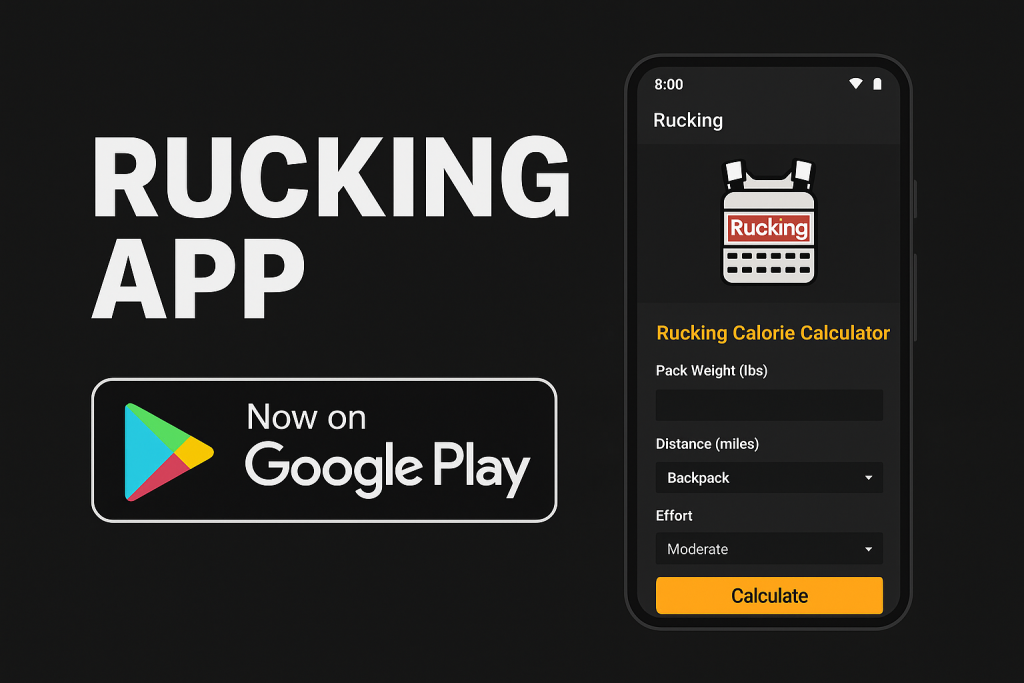
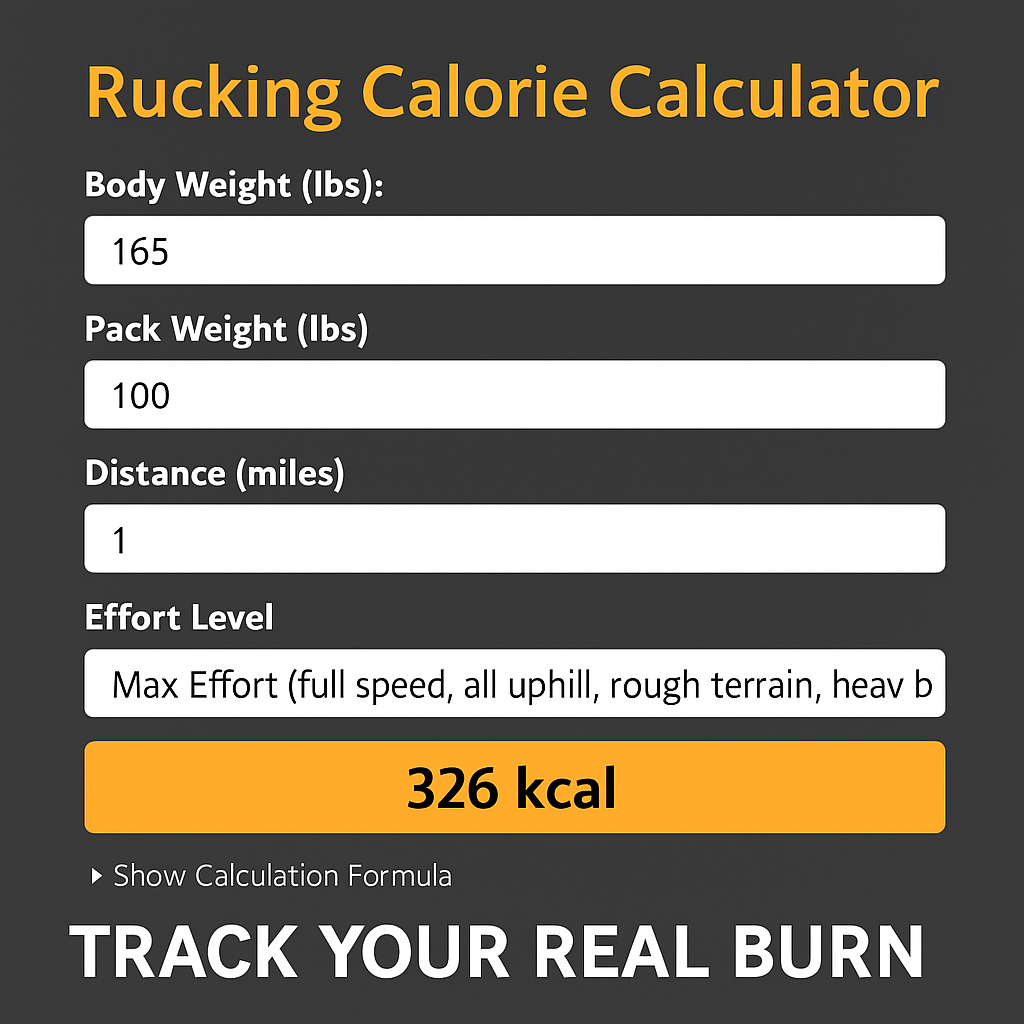
One of the simplest ways to dial your sessions is to estimate energy expenditure for your weighted walks. Use the rucking calorie calculator to get a personalized estimate based on weight, load, pace, and duration. That gives you a baseline to adjust duration or vest weight.

Open the calculator, enter your bodyweight, vest load, and pace to see realistic calorie numbers and tailor sessions to fat loss or maintenance goals.
Recommended gear for cap-style loading
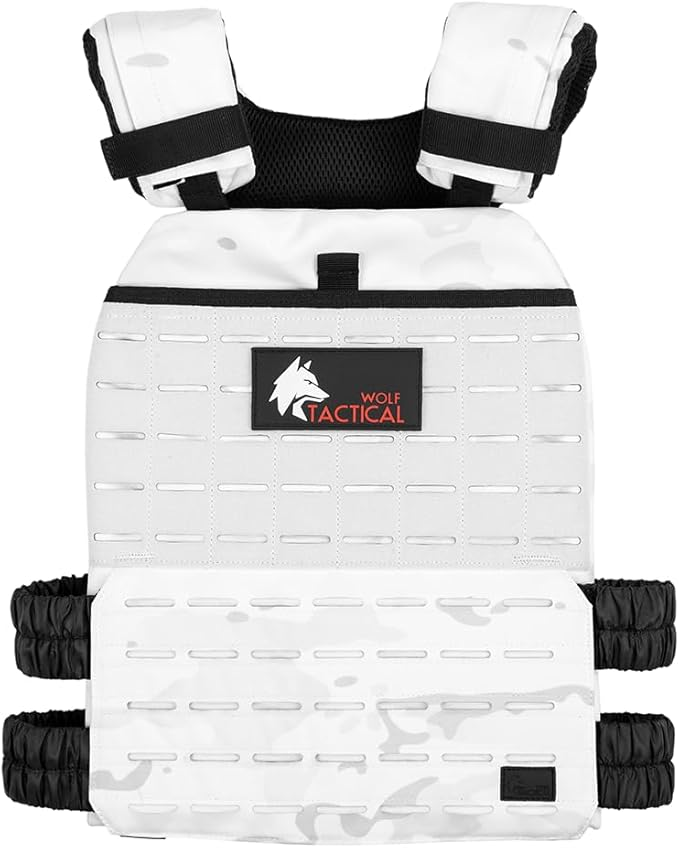
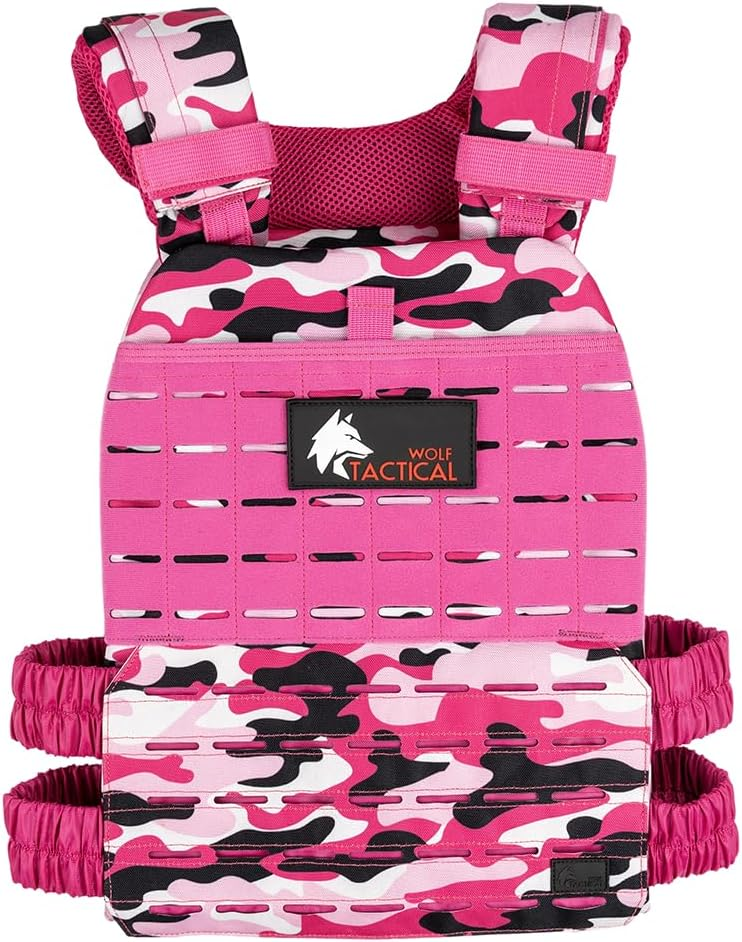
For comfort-focused cap-style loading, I prefer compact, adjustable vests that allow small incremental plates or sand pockets. A good, affordable option is the Wolf Tactical Simple Weighted Vest.

Final tips
- Start light and prioritize consistency over dramatic weight jumps.
- Pay attention to posture and skin friction during early sessions.
- Use a calorie estimate from the rucking calculator to align your sessions with your goals.
Cap weighted vests are a practical compromise between no load and full plate carriers. When fitted and programmed correctly, they boost calorie burn, support posture, and keep your training versatile outdoors.