Why a cheap weighted vest can still be good training gear
Buying a cheap weighted vest doesn’t mean you have to accept a poor fit, bad materials, or a useless product. For rucking and walking workouts, the goal is sensible load, predictable movement patterns, and consistent use. A low-cost vest can be the difference between starting a habit and never getting off the couch—so choose carefully.
What to prioritize when shopping cheap
- Fit and adjustability — a vest that moves around will cause chafing and waste energy.
- Weight distribution — small, modular plates or sand packs that you can shift are better than a single heavy lump.
- Durable attachment points — seams and velcro should be reinforced.
- Comfort — breathable fabric and padding where it contacts your shoulders and sternum.
Good budget options trade fancy materials for sensible construction. That means webbed seams, heavy-duty zippers or pockets for plates, and a system that allows incremental loading as you progress.
Recommended affordable vests and how to use them
Here are two inexpensive options that work well for beginners and experienced ruckers who want a no-frills vest.

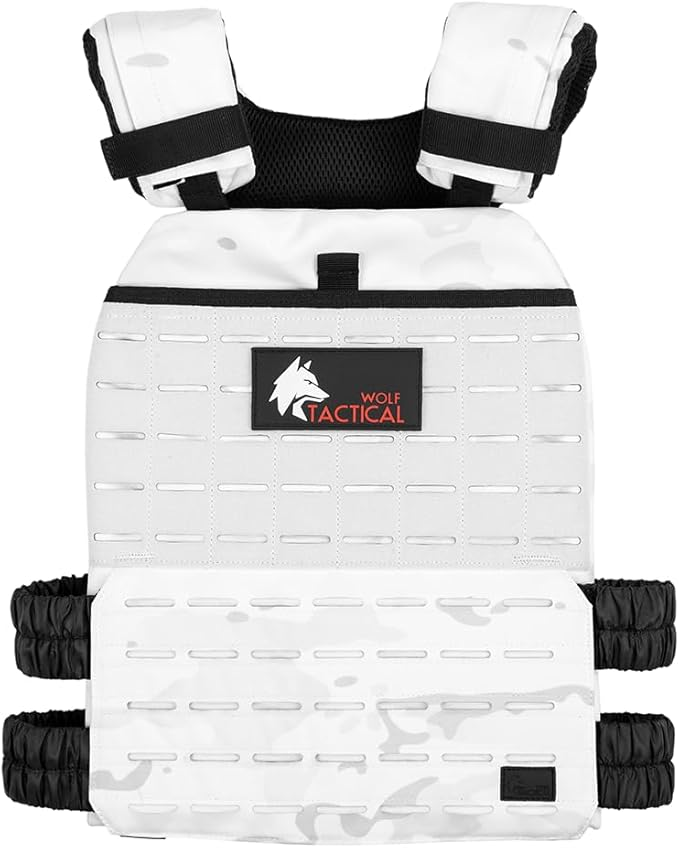
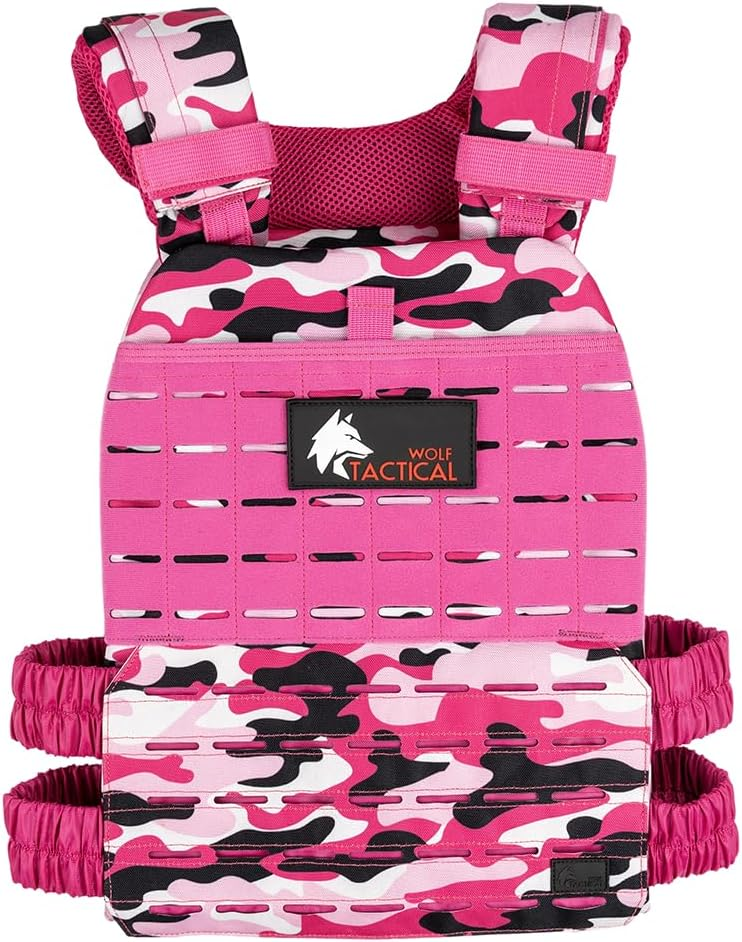
Many people will find the WOLF TACTICAL Simple Weighted Vest useful because it emphasizes adjustability and comfort over flashy features. It fits close to the torso and accepts small plates or sand packs for incremental progression.

The BAGAIL Adjustable Weighted Vest is another budget option for beginners who want to add 4–10 lbs for walking and short rucks. It won’t replace higher-end tactical vests for heavy loading, but it will build consistent calorie burn without breaking the bank.
How to use a cheap vest safely
- Start light — use 5–10% of bodyweight for your first month, then progress slowly.
- Keep sessions consistent — 20–45 minute walks or 30–60 minute rucks 3–5 times per week build the habit.
- Watch posture — a snug vest that keeps load near your centerline prevents lower-back strain.
- Mix with strength work — even inexpensive vests pair well with bodyweight circuits to improve carry tolerance.
Estimate your calorie burn and plan progress
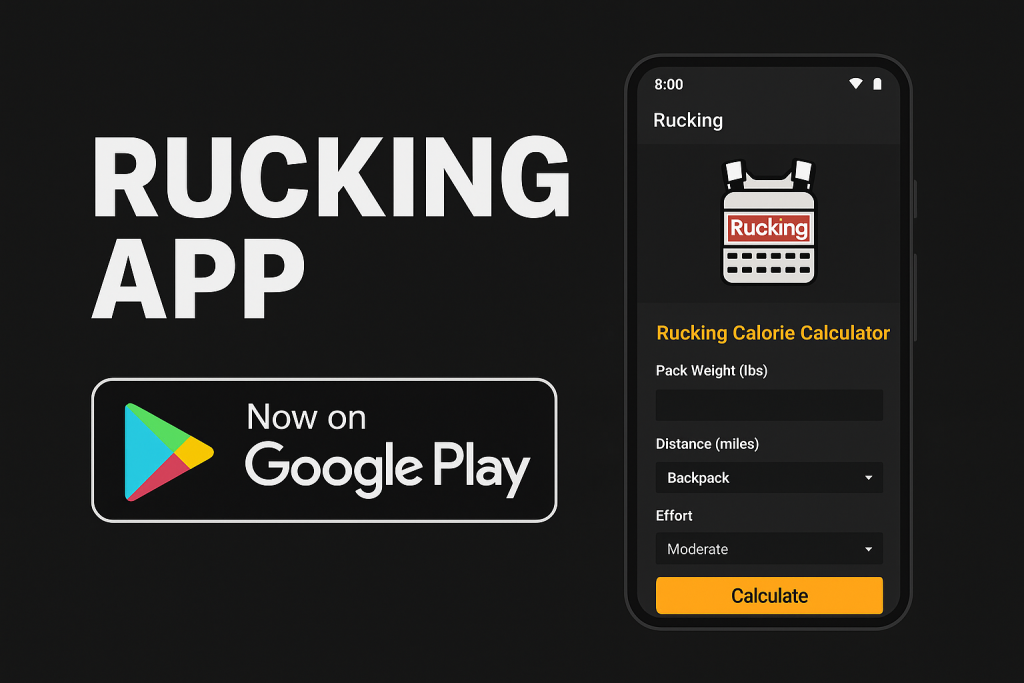
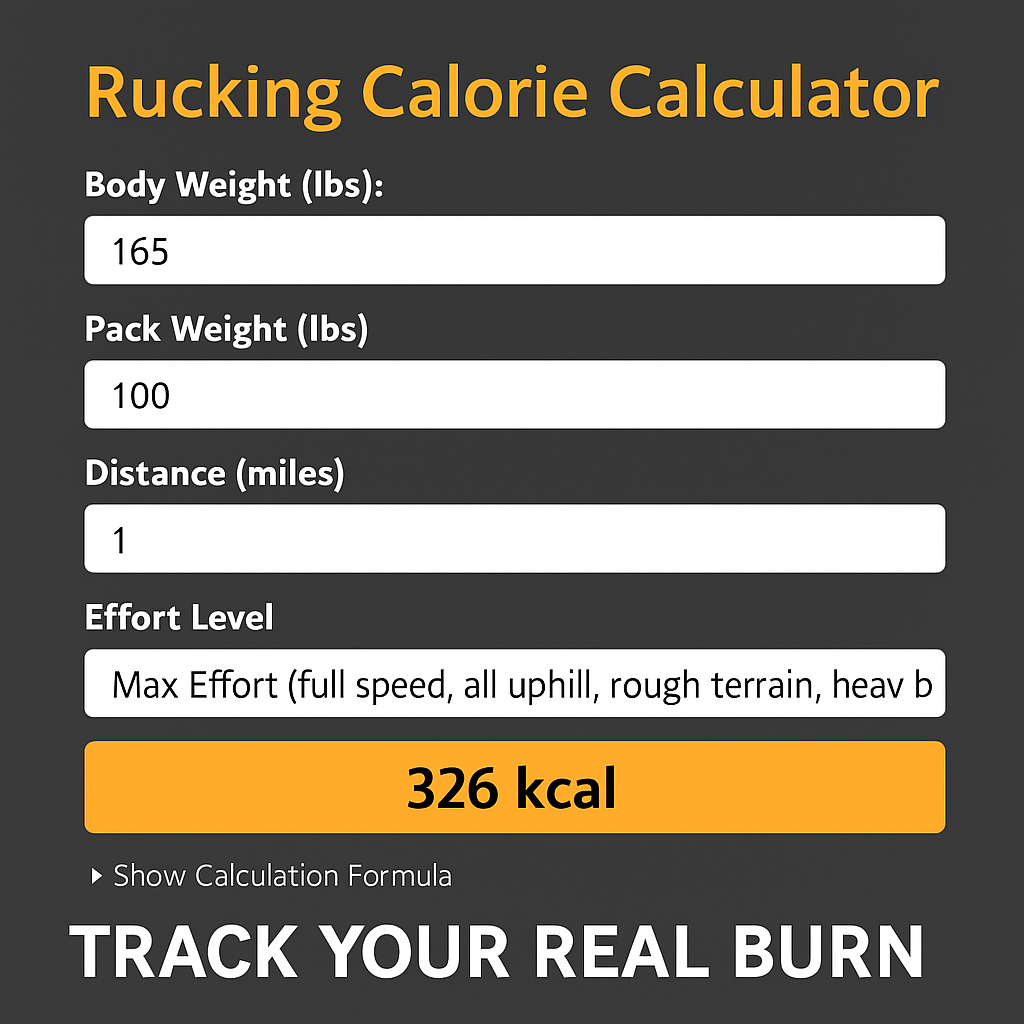
Use the rucking calorie calculator to estimate how many calories you burn with a vest and to plan gradual weight increases. Enter your weight, pace, and vest load to see realistic numbers you can act on.

Final practical buying tips
- Buy a vest with modular weight pockets so you can add or remove load in small steps.
- Prefer vests with wide straps and chest adjustment to reduce bounce.
- If you outgrow a cheap vest, re-purpose it for short conditioning and upgrade to a plate-style or tactical rucksack later.
Cheap weighted vests are a pragmatic entry point: they’re affordable, encourage consistency, and when chosen carefully can last long enough to build technique and cardio capacity. Start light, prioritize fit, and use tools like the rucking calorie calculator to measure progress and avoid plateaus.