Why a CPAT weight vest helps your test prep
Training with a CPAT weight vest is one of the most practical ways to replicate the load and movement patterns you’ll face on test day. A vest lets you add progressive resistance while keeping your center of mass close to your chest — that translates directly to stair climbs, hose drags, and ladder raises without changing your movement mechanics.
Key benefits
- Specificity: simulates gear weight without altering stride or posture.
- Progressive overload: add plates or increments as your conditioning improves.
- Versatility: use for intervals, ruck-based endurance, or circuit work that mirrors CPAT stations.
Choosing a vest for CPAT training
Prioritize fit, breathability, and secure plate pockets. For most CPAT candidates a simple, low-profile weight vest that distributes load evenly across the chest and back is ideal — you want to mimic the way turnout gear and an SCBA pack move you, not change your gait.
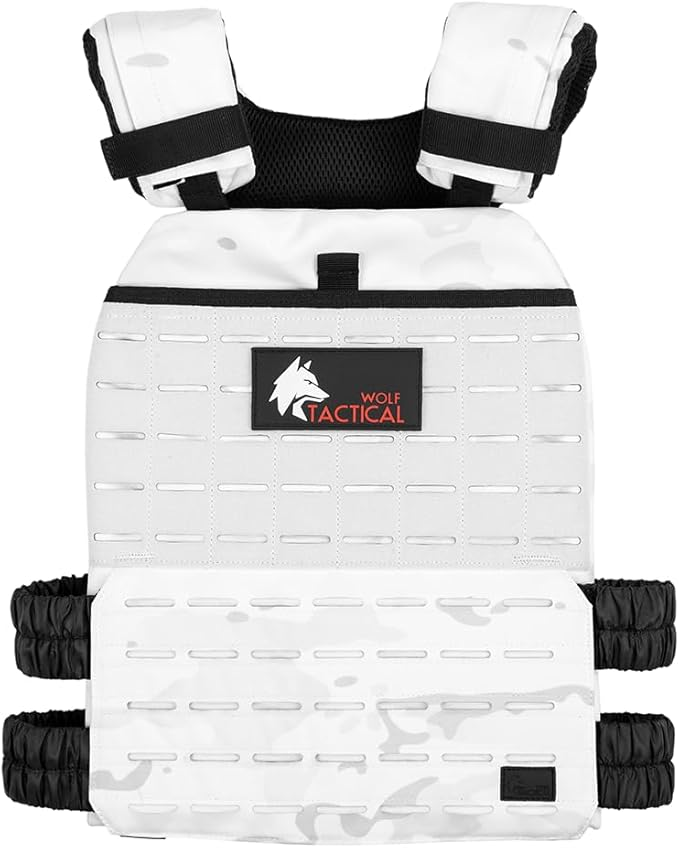
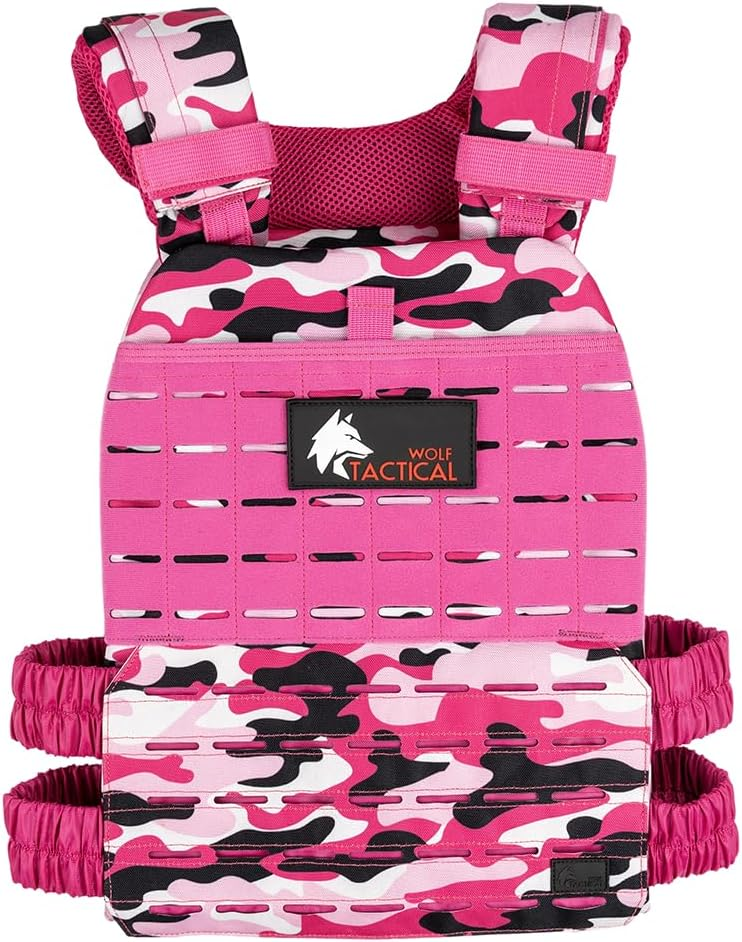
For a reliable, budget-friendly option that works well for beginners and higher-rep conditioning, consider the Wolf Tactical Simple Weighted Vest. It lays flat against the torso and accepts small increments so you can progress safely.

If you plan to incorporate pack carries, stair climbs with a load, or gear-transition drills, a ruck like the GORUCK Rucker 4.0 20L is a solid complementary tool — especially for long, loaded walks and sandbag carries.

Sample 8-week CPAT vest program
The goal is specificity first, volume second. Start with light, consistent sessions and add weight or interval difficulty every 7–10 days.
- Weeks 1–2: 2–3 sessions/week. 10–20 minutes of steady stair or step-ups with 10–20% bodyweight in the vest.
- Weeks 3–4: Add interval sessions: 6 x 2-minute stair efforts with 90s rest. Keep weight manageable so form stays strong.
- Weeks 5–6: Simulated station circuits (drag, carry, ladder) wearing vest. 3–4 rounds, controlled pace, increasing weight by 5–10% if recovery stays good.
- Weeks 7–8: Full-mock CPAT efforts at test intensity but scaled volume — practice transitions while wearing the vest to build economy.
Safety and programming tips
- Warm up dynamically and prioritize hip hinge mechanics for drags and carries.
- If you feel back pain or compromised breathing, back off weight and focus on conditioning.
- Balance vest work with strength: posterior chain strength (glutes, hamstrings) reduces injury risk.
Track effort and calories
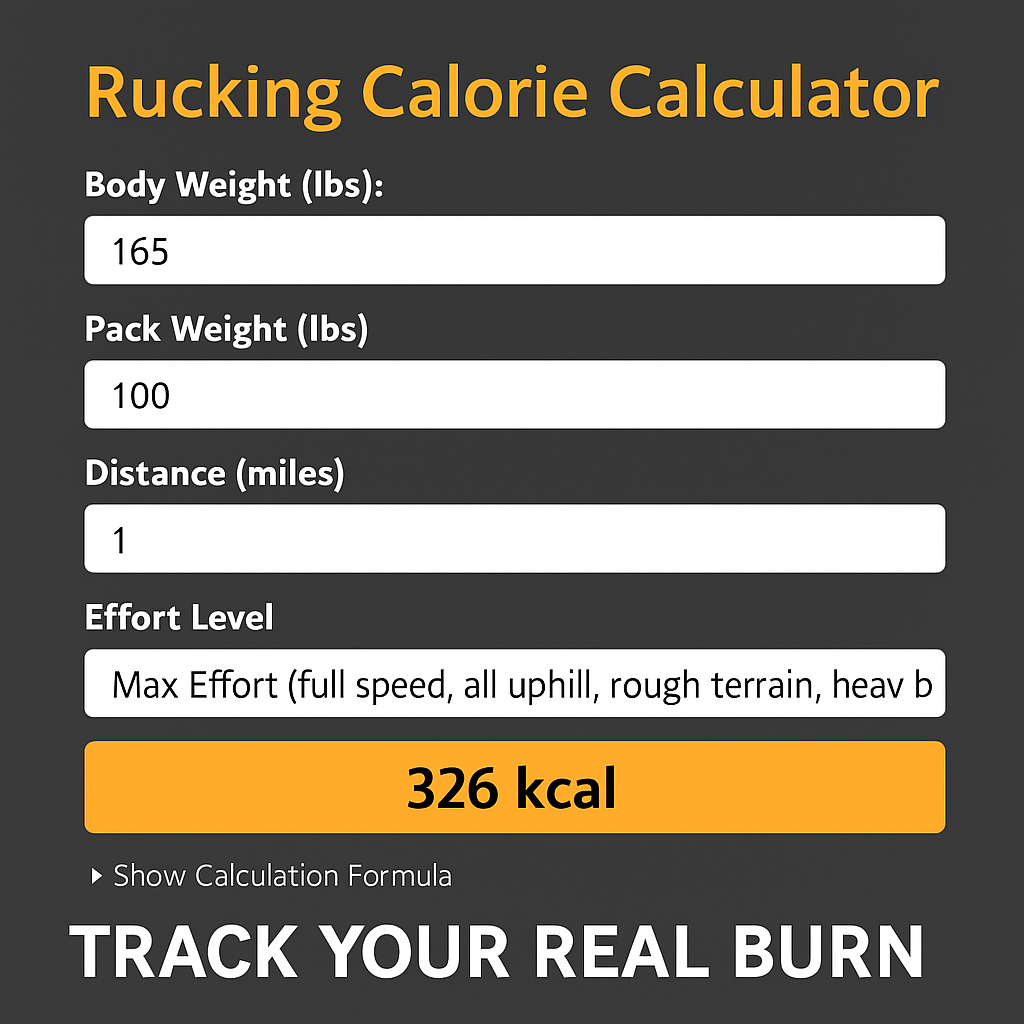
Track session intensity and estimated calories burned to manage recovery and fueling. Use the rucking calorie calculator below to estimate session energy needs for weighted walks and stair sessions — it’s an easy way to plan nutrition around training days.

Putting it together
Train with a CPAT weight vest to replicate the feel of gear, progress weight conservatively, and combine vest sessions with functional strength work. Use the calorie calculator to guide fueling, and test regularly under simulated conditions so test-day pacing is second nature.
Consistency beats maximal effort — a well-fit vest used sensibly over 8–12 weeks will produce measurable improvements in station economy and confidence on test day.