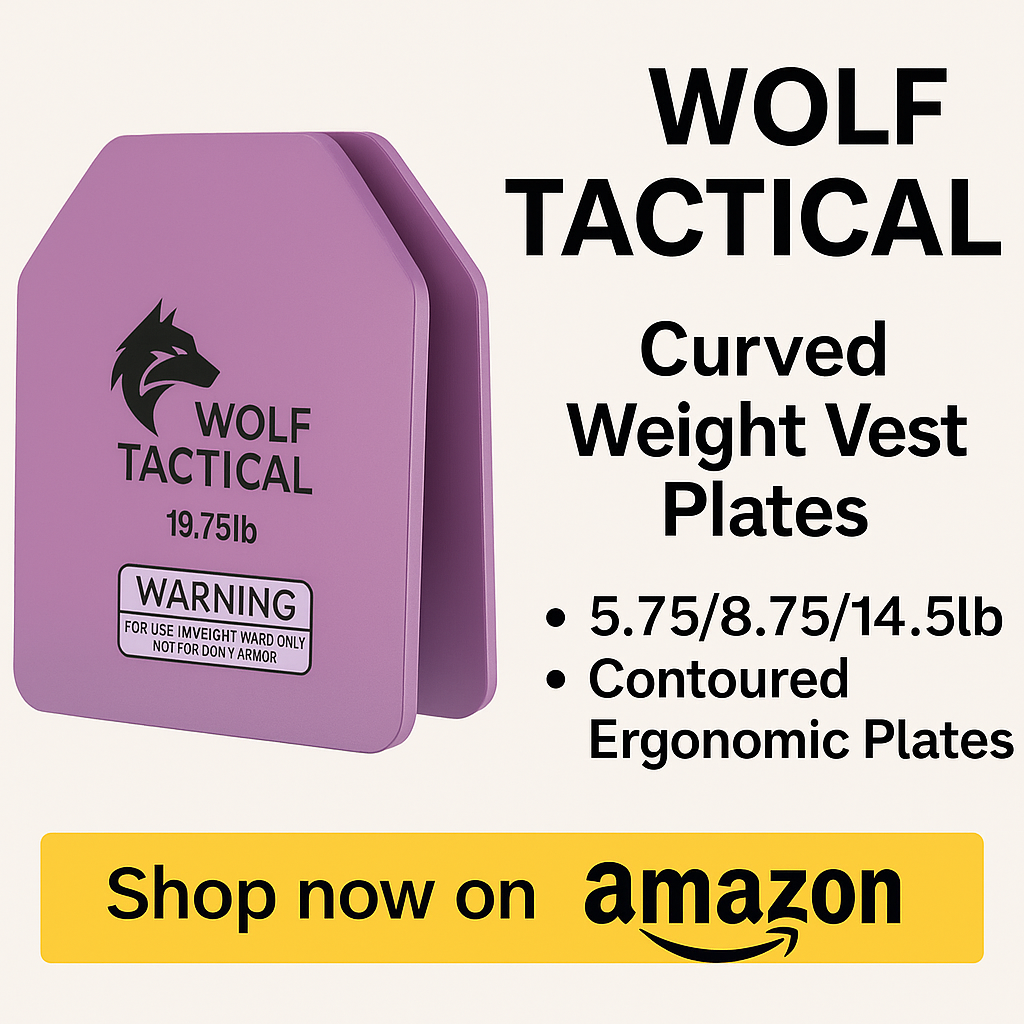
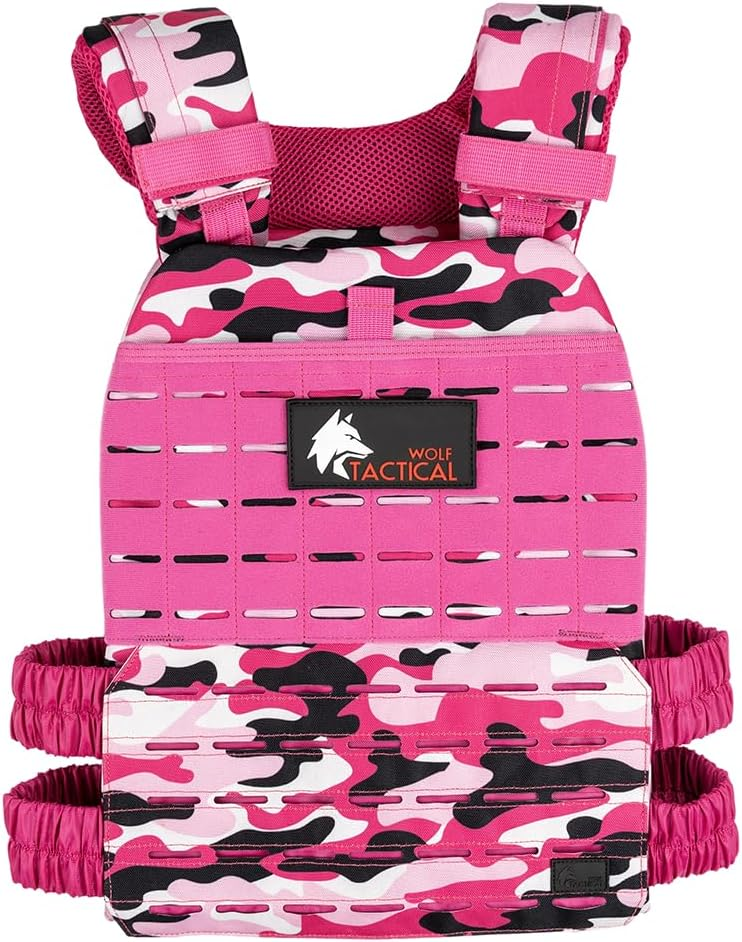
Why a Cross Fit Vest Matters
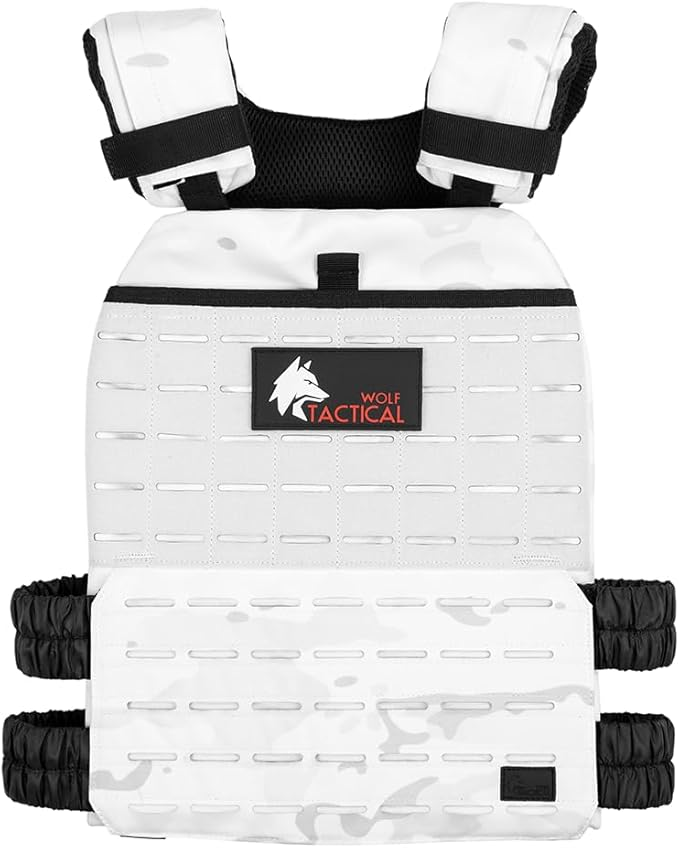
Adding a cross fit vest (weighted vest) to your programming changes the stimulus of standard CrossFit movements without adding a new skill. Short, loaded conditioning sessions, pull-ups, push-ups, and box step-ups all feel different when you add external load. The goal isn’t to turn CrossFit into powerlifting—it’s to increase intensity, improve strength-endurance, and expand conditioning windows safely.
Who should use a Cross Fit Vest?
- Intermediate athletes who can move with solid mechanics under bodyweight.
- Anyone returning from a break who wants to scale intensity without increasing speed.
- Outdoor athletes who want a simple, durable way to add load for runs and circuits.
How to Choose the Right Vest
Fit, adjustability, and plate system matter most. For CrossFit-style use you need a vest that stays tight during dynamic movements, distributes load across the torso, and allows micro-adjustments so you can incrementally add weight between sessions.
- Start light: begin with 5–10% of bodyweight for conditioning work and 10–15% for strength-focused sets.
- Balance mobility and stability: choose a vest with flexible panels and low-profile plates so pullovers, burpees, and box jumps remain safe.
- Incremental plates: a vest compatible with small increments helps you progress without big jumps in intensity.
Programming with a Cross Fit Vest
Integration is simple: replace some rounds of a metcon with a loaded version, or add vest sets at the end of a session. Use these options:
- Loaded metcon: pick a 10–15 minute AMRAP but reduce reps by 20–30% initially so technique stays clean.
- Strength supersets: 3–5 sets of weighted pull-ups or push-ups with unloaded accessory work for hypertrophy.
- Loaded intervals: short, intense intervals (30–60 seconds) with the vest for conditioning without maxing out sprint velocity.
Progression and Safety
Increase load only when you can maintain form for every rep. For repeatable progress, add 2.5–5 lb plates per session or week depending on recovery. Always prioritize scapular control on presses and strict spine position on runs and jumps.
Recommended Product for Heavy Calisthenics and CrossFit Work
For athletes who plan to use a vest for high-intensity calisthenics and heavier loading, a durable, high-capacity vest is best. The Kensui EZ-VEST® MAX V2 handles large loads and stays locked in during dynamic work.
Kensui EZ-VEST® MAX V2 is built for heavy use and calisthenic-focused CrossFit training.

Estimate Calorie Burn for Loaded Work
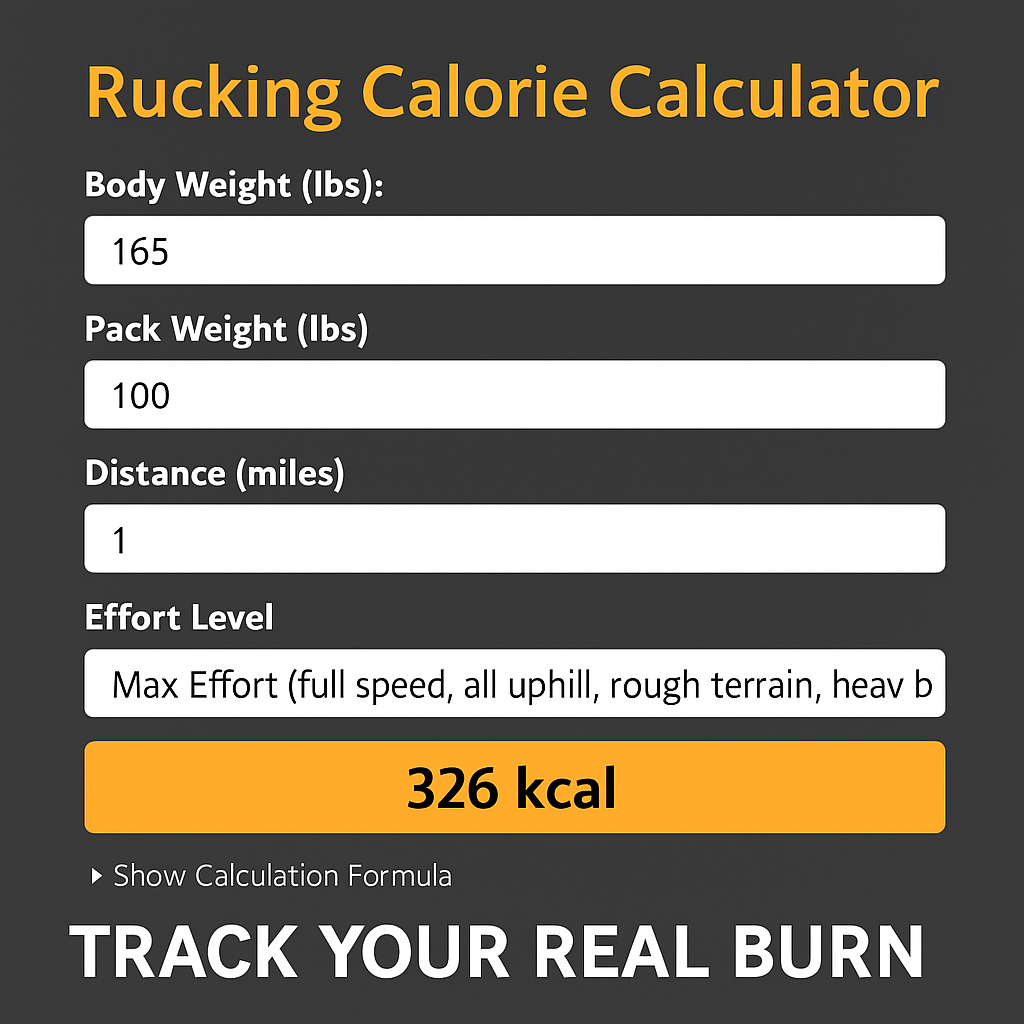
Want to know how many calories a loaded CrossFit session burns? Use the rucking calorie calculator—it works well for weighted vest training and short, loaded circuits. Enter your weight, vest load, pace, and duration to get a usable estimate for planning recovery and nutrition.

Final Practical Tips
- Warm up with unloaded mobility, then do 2–3 submaximal sets with the vest before the main work.
- Prioritize shorter, higher-quality loaded sessions rather than long, sloppy rounds.
- Hydrate and plan nutrition around increased intensity—small changes in load can add significant metabolic demand.
Used correctly, a cross fit vest is a simple tool to increase density and strength-endurance. Treat it like any progressive overload tool: respect form, progress slowly, and use data (like the calculator) to guide recovery and nutrition.