How to choose CrossFit plate carrier weight
If you plan to train CrossFit with a plate carrier, your primary concern should be preserving movement quality under load. Plate carriers change leverage and breathing; start conservative, prioritize form, and build load over weeks not days. This guide lays out practical rules for choosing a starting weight, progressing safely through WODs and strength work, and programming simple progressions that produce consistent gains.
Why weight matters more than you think
A plate carrier shifts the center of mass and alters joint loading. Too much weight blunts technique, increases injury risk, and ruins metabolic benefit. Too little weight wastes opportunity. The goal is a load heavy enough to tax the system but light enough that you can keep standards for the movement (depth, tempo, lockout, breathing).
Practical starting weights and progressions
These starting points are conservative and meant for most intermediate CrossFitters. Adjust for strength experience, bodyweight, and any injury history.
- Movements with technical demands (e.g., thrusters, snatches, chest-to-bar pull-ups): start at 10–20% of bodyweight in small plates or soft plates.
- Compound strength (e.g., back squat, deadlift, strict press): you can begin at 15–35% of bodyweight and progress faster when technique is solid.
- Metcon bodyweight movements (burpees, box jumps, running): keep plate carrier under 10–20% initially — the goal is conditioning without wrecked mechanics.
Progress by adding 2.5–5% of bodyweight every 1–2 weeks for compound lifts, and 1–2% for technical or skill-based WODs. If movement quality drops, back the load 1–2 steps and repeat the cycle.
Programming tips
- Use loaded strength days and unloaded skill days; don’t do heavy plate carrier work on high-skill gymnastics days.
- Limit long flights of heavy-loaded metcons until you’ve adapted—start with 8–12 minute pieces, not 20+ minute rucks in a plate carrier.
- Prioritize tempo, breathing, and bracing cues; a plate carrier often compresses the ribs and changes inhalation patterns.
Equipment recommendations
If you want a purpose-built plate carrier for CrossFit-style loading, the GORUCK Ruck Plate Carrier 3.0 is durable and designed to accept plates without excessive bulk. For heavier pure strength work where you want to push very high loads, the Kensui EZ-VEST MAX V2 lets you add a lot of weight while keeping the plates centered.


Safety checklist before you strap in
- Confirm you can perform unloaded versions with perfect mechanics.
- Do a respiratory check: can you inhale deeply between sets?
- Start every loaded session with an active warm-up and 2–3 ramp sets.
- Track soreness and joint pain—if something sharp appears, deload immediately.
Estimate caloric impact (quick calculator)
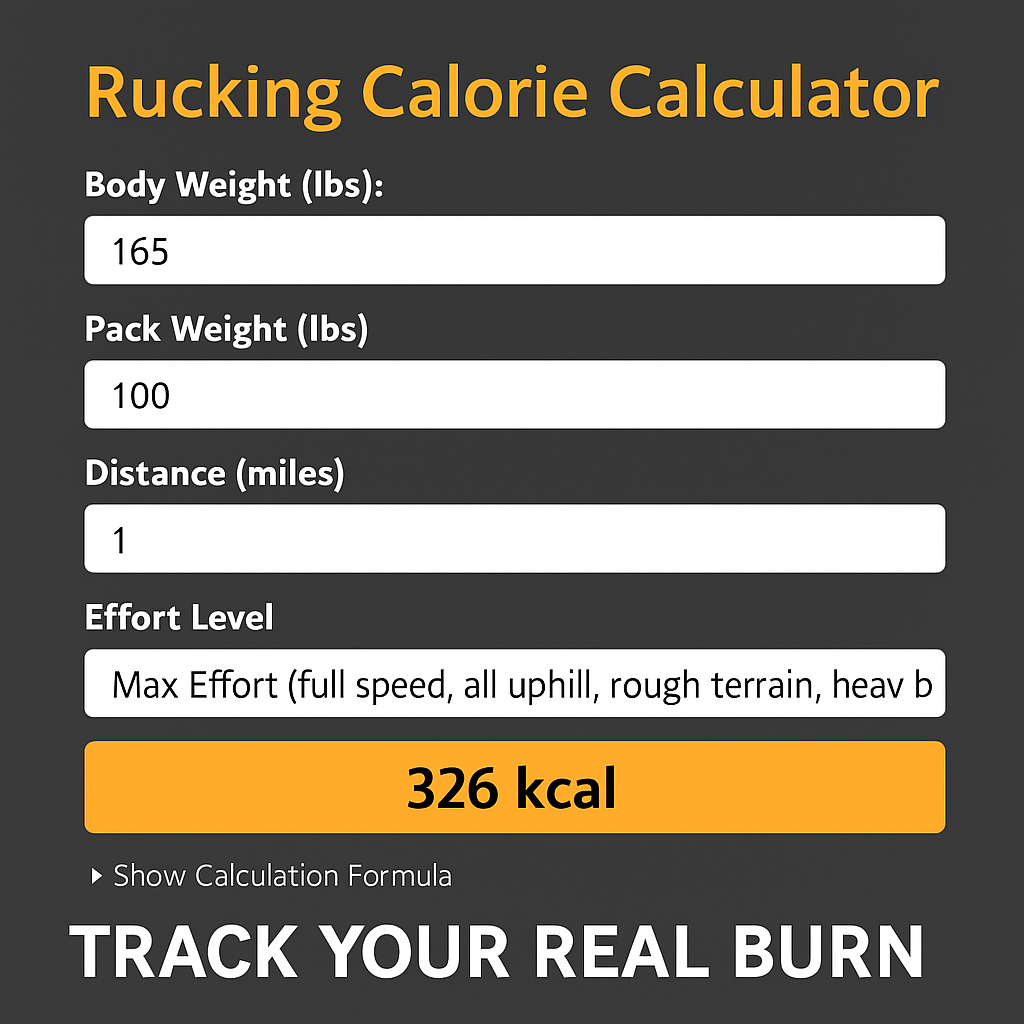
Loaded work increases calorie burn. Use the rucking calorie calculator to estimate session energy cost and craft recovery nutrition. Click the screenshot below to open the calculator and enter your bodyweight, distance, pace, and added plate weight for a realistic estimate.

One final practical note: I lost 90 lbs through rucking, weighted-vest training, and disciplined nutrition, and I still recommend weighted vests and plate carriers as reliable tools to maintain lower bodyweight and consistent fat burn—when used intelligently. Start light, move well, and plan your progressions.