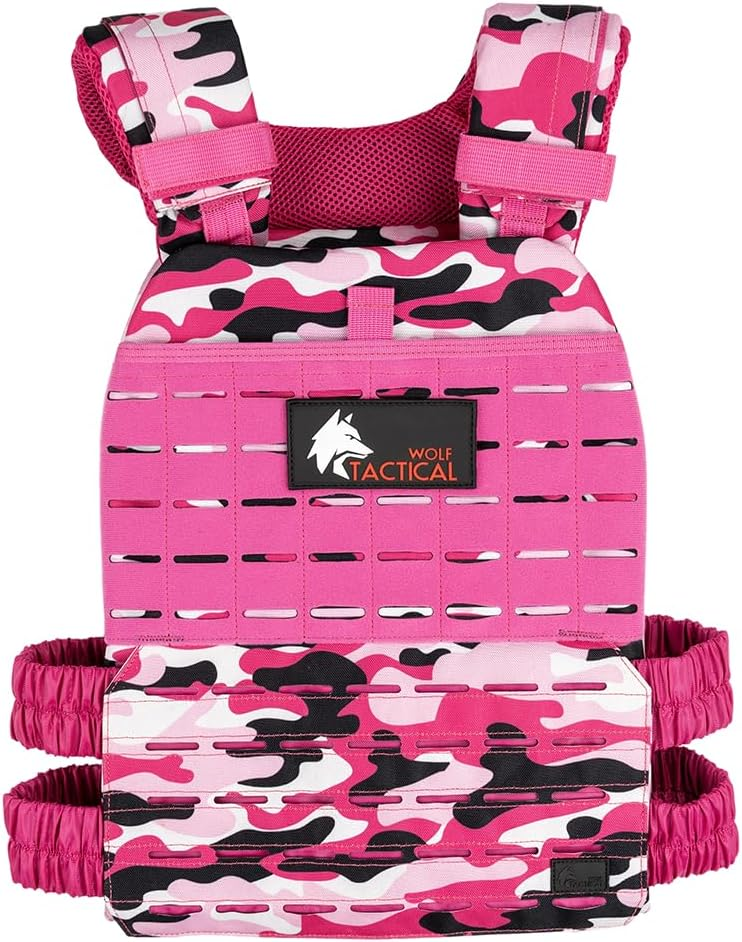
Why plate selection matters for a weighted vest
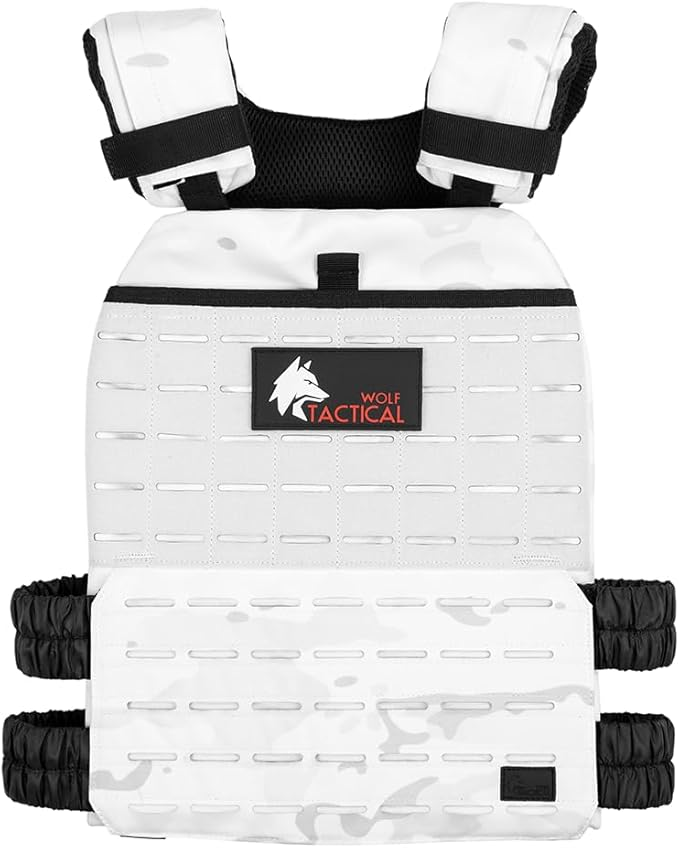
Using crossfit plates for vest work changes how a weighted vest behaves during dynamic movements. Plates that shift, concentrate load in odd spots, or exceed a vest’s intended capacity will ruin technique and can cause injury. This guide breaks down plate types, size and shape considerations, and safe loading strategies for heavy calisthenics, rucking-style carries, and CrossFit-style metcons.
Key considerations before you buy
- Compatibility — make sure plates fit the pockets or plate carriers in your vest.
- Shape and distribution — flatter plates spread load better; rounded plates create pressure points.
- Material and durability — steel plates are compact and durable but can chew through fabric; rubber-coated or urethane plates protect vests.
- Modularity — smaller plates let you add small increments for progressive overload without destroying balance.
Best plate types for vest training
For CrossFit-style weighted vest work you want plates that sit flat and won’t migrate during box jumps, pull-ups, or burpee-intensive workouts. Two practical options are compact steel plates for dense loading and dedicated ruck plates designed to be used in load-carry systems.
Recommended plate examples
For heavy, high-volume vest training I prefer plates designed for load-carry systems. The Kensui EZ-VEST® MAX V2 is purpose-built for very heavy loading and aggressive training. It supports up to 300 lb and places weight where it stays stable under dynamic movement. For affordable modular options, the Yes4All Ruck Weight Plate offers smaller increments that are easy to distribute evenly across vest pockets.


How to load plates safely for CrossFit-style workouts
Follow a few simple rules to keep your sessions productive and safe.
- Start conservative — add small increments and assess vest stability during basic drills before progressing to explosive moves.
- Center load — place plates to keep the center of mass close to your torso and avoid single-sided stacking when possible.
- Use protective layers — rubber or fabric between metal plates and the vest reduces abrasion and pressure points.
- Test movement patterns — do a set of bodyweight reps with the loaded vest to confirm balance and range of motion before adding intensity.
Programming tips for strength and conditioning
For CrossFit athletes, combine short, intense metcons with accessory strength days. Use plate increments to progress weighted push-ups, pull-ups, and pistol squats. For longer workouts or rucks where comfort matters, trade heavier single plates for several smaller plates to distribute pressure.
Calculate the impact: calories and load planning
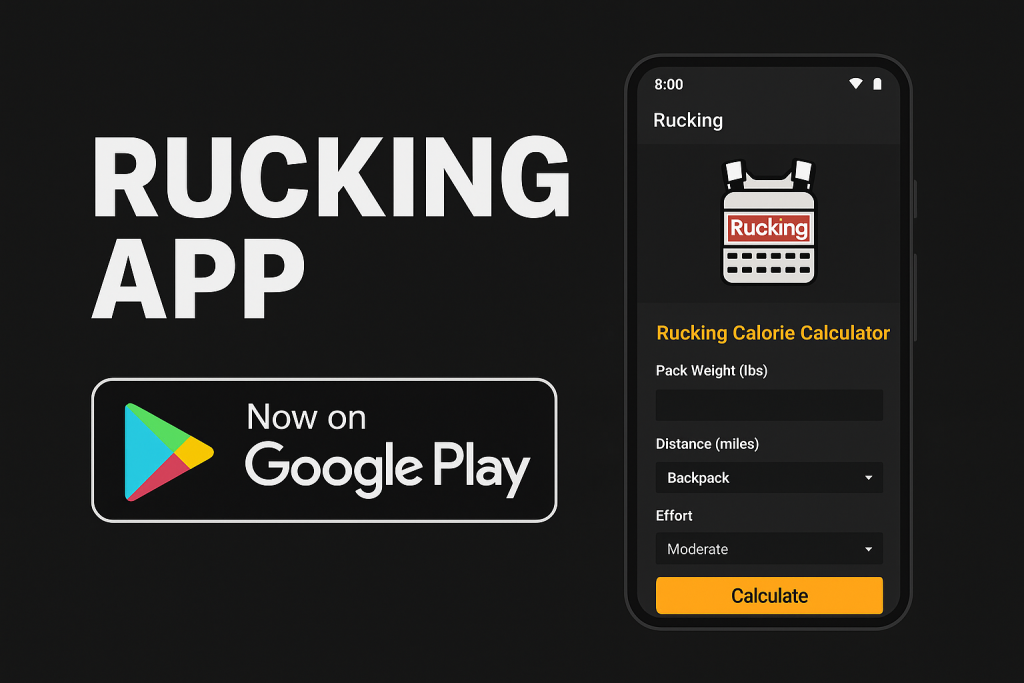
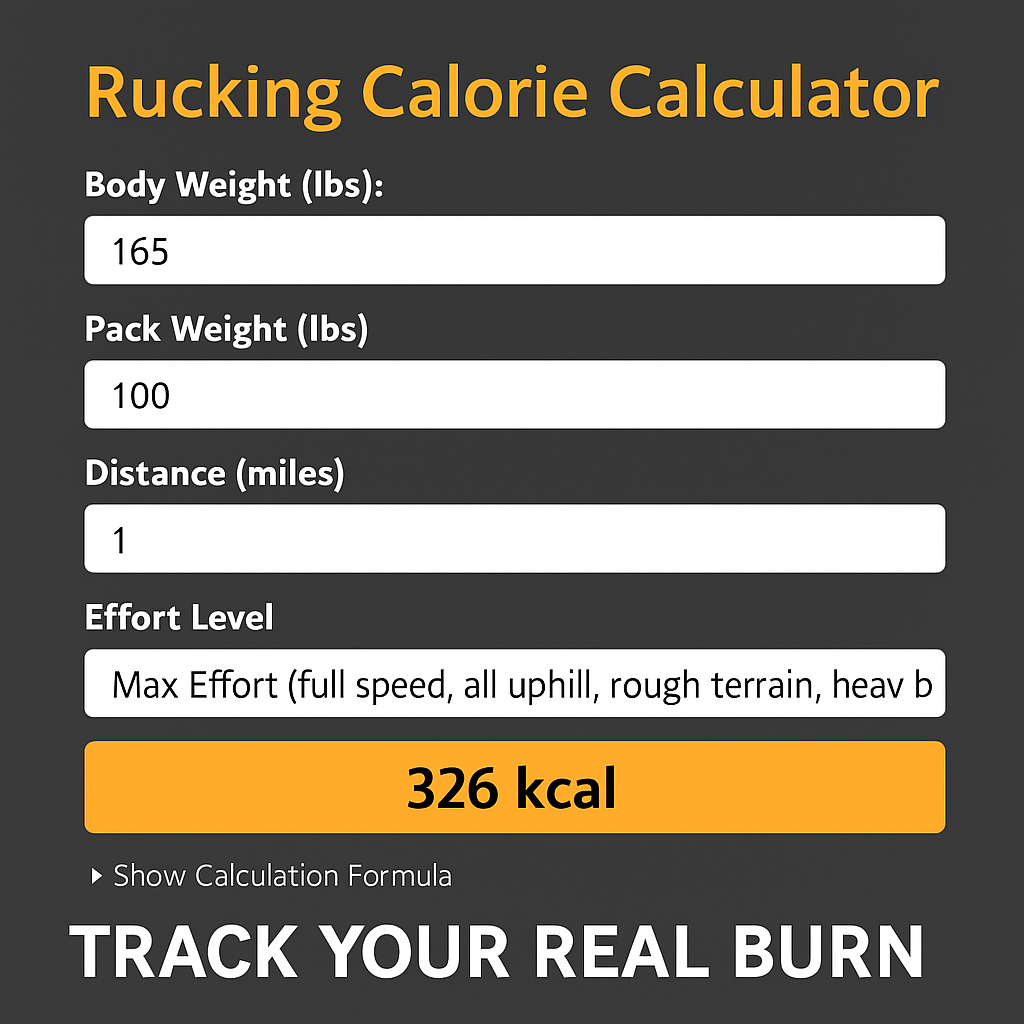
Understanding how a heavier vest affects energy expenditure helps program recovery and nutrition. Use the rucking calorie calculator to estimate how many calories your vest runs burn for a specific distance and pace. Click the calculator below to try values for your weight, vest load, and walk pace.

Choosing the right crossfit plates for vest work requires thinking about fit, shape, and incremental loading. Pick plates that protect your vest, allow gradual progression, and keep load centered so your mechanics don’t suffer. With proper plates and conservative progression, a vest becomes a reliable tool for strength and conditioning.