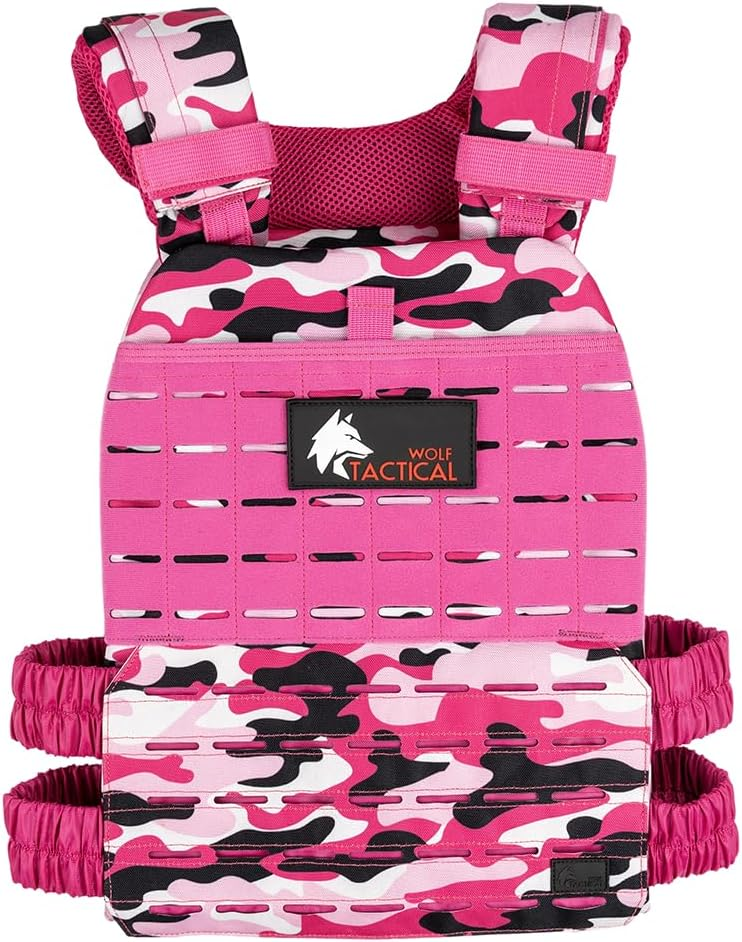
Why a CrossFit training vest changes your WODs
Adding a properly fitted CrossFit training vest turns many bodyweight movements and metcons into resistance-based strength sessions without changing movement patterns. The right vest distributes load close to your center of mass, preserves mobility for pull-ups, push-ups, and burpees, and lets you increase intensity without extra time in the gym.
Who should use a CrossFit training vest?
If you want to increase work density, add progressive overload to bodyweight skills, or blend strength into conditioning sessions, a CrossFit training vest can give you that stimulus. Athletes who need a vest that handles heavy plate loads and keeps the vest secure during fast transitions should prioritize build quality and fit.
Key fit and performance features to look for
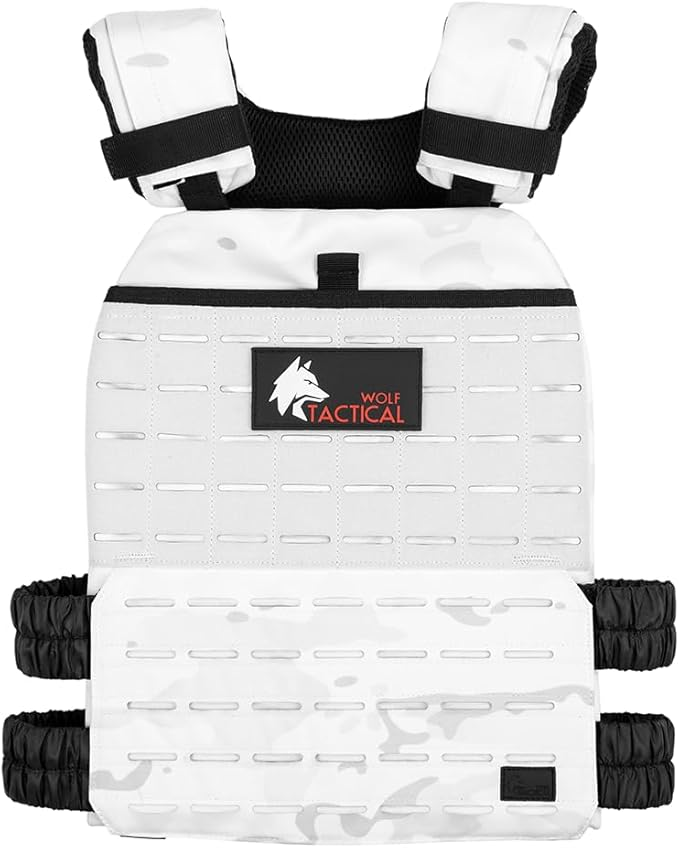
- Low-profile plate pockets: Keeps load centered and stops plates from shifting during burpees and box jumps.
- Adjustable torso fit: Velcro or buckle systems that tighten without creating pressure points across the ribs.
- Durable stitching and materials: Reinforced seams and abrasion-resistant fabric for frequent drops and high-rep use.
- Range-of-motion friendly design: Cut and placement must allow overhead presses and dynamic gymnastics movements.
Programming tips for CrossFit vests
Introduce the vest gradually. Use it for accessory strength and controlled metcons before adding it to fast, high-skill WODs. A simple progression looks like:
- Week 1: Short AMRAPs with 10–20% bodyweight to test fit and breathe control.
- Week 2–4: Increase load slowly (5–10% increments) and aim to maintain movement quality.
- Ongoing: Rotate weighted sessions with unweighted skill days to avoid tendinopathy and preserve speed.
Product recommendations for CrossFit-style training
For heavy calisthenics and high-load work, I prefer a vest built for plates and durability. The Kensui EZ-VEST® MAX V2 handles large loads safely and keeps plates secure during dynamic sets.

For training that mixes speed and load while still needing a streamlined profile, the 5.11 TacTec Trainer Weight Vest is a practical mid-weight option with secure pockets and a trim silhouette.

Safety and session design
Keep sets short and intentional when you first add weight. Use the vest for intervals, tempo work, or as a finish to an unweighted skill session. Always prioritize breathing and joint position—if a movement breaks down under the vest, reduce weight or revert to unweighted reps.
Use the calculator to estimate calorie burn
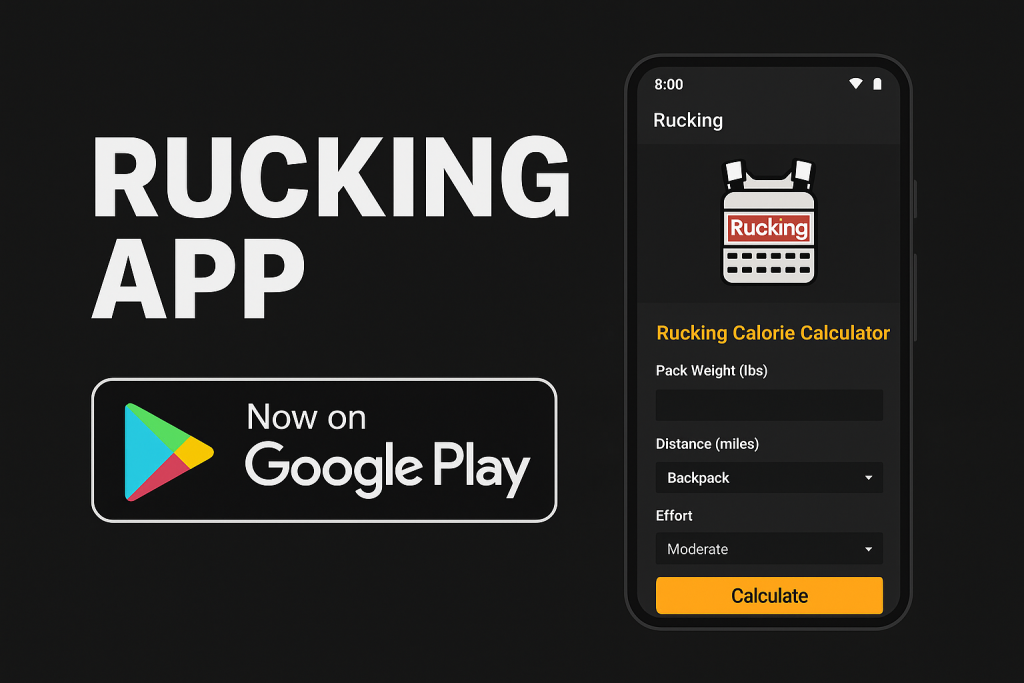
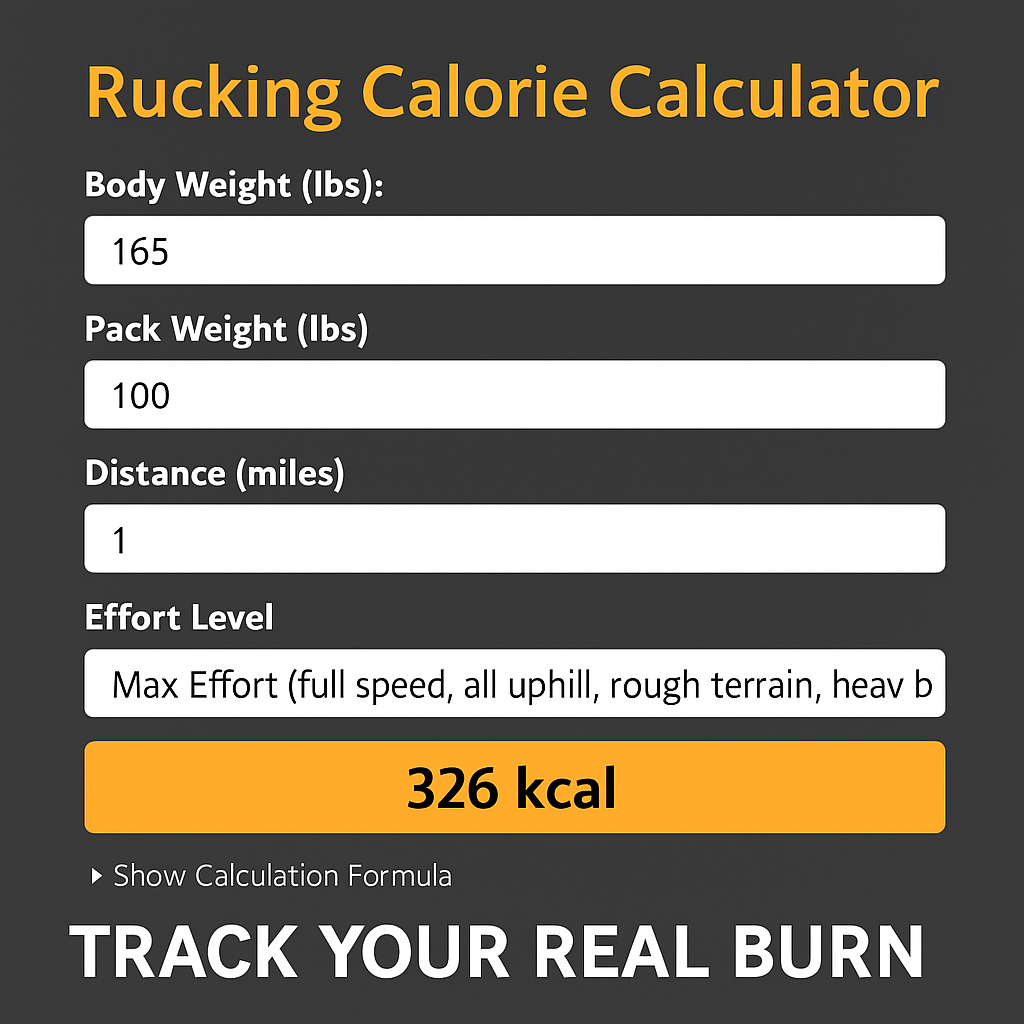
Estimate the session impact and adjust programming around recovery by using the rucking calorie calculator. It works well for weighted-vest sessions because it accounts for added load and pace.

Final checklist before you buy
- Confirm adjustability for your torso length and chest shape.
- Prioritize vest designs with stable plate pockets and low profile.
- Start light and progress volume before load to reduce injury risk.
- Choose a vest that matches your programming: heavy loads for strength, low-profile for speed work.
CrossFit training vests are a practical tool when selected and used with intent. Treat them like any other progressive overload tool: slow increases, clear technique standards, and programmed recovery make them a reliable way to add strength and metabolic demand to your WODs.