Why a crossfit weight vest female athlete might add a vest
Using a weighted vest in CrossFit-style training is one of the easiest ways to increase intensity without changing movement patterns. For a crossfit weight vest female athlete, the goal is to add load while preserving mobility, breathing and technique. I coach athletes to think of a vest like progressive resistance: start conservative, track your work, and treat it like a strength tool that also stresses conditioning.
Fit and sizing: the basics
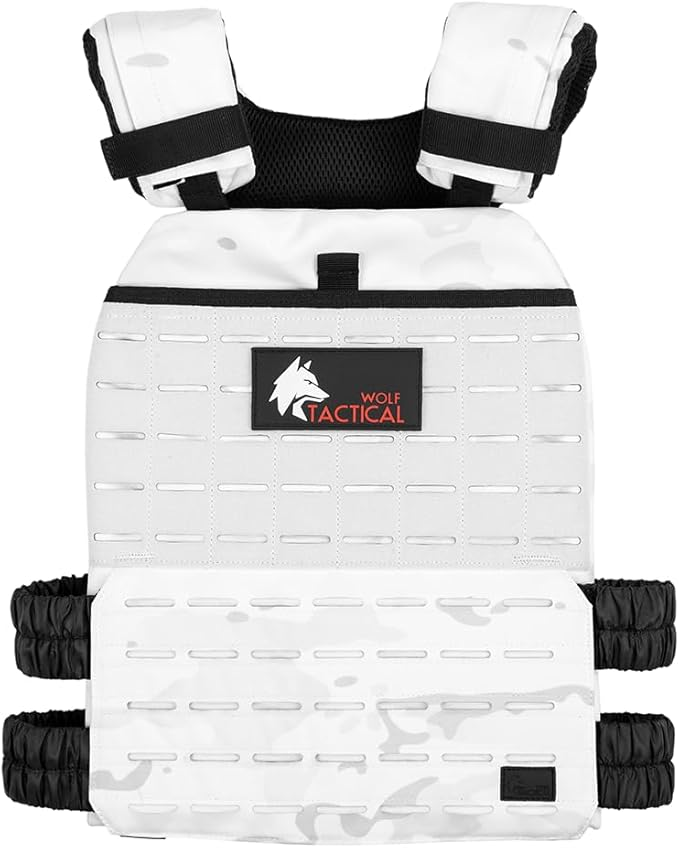
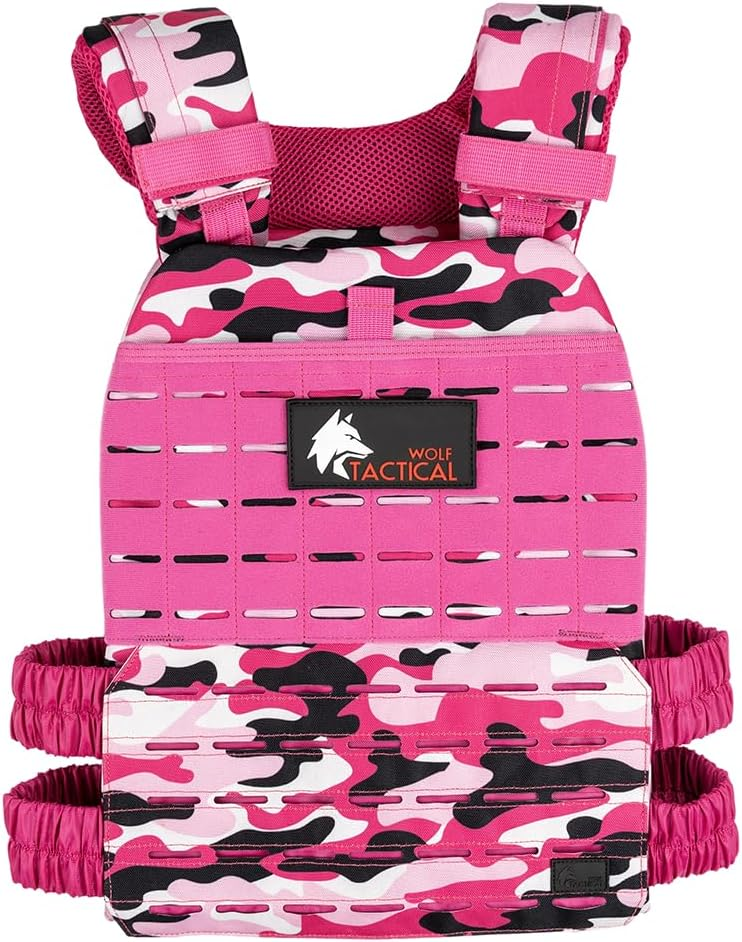
A vest that shifts or pinches will wreck your sets. Look for a low-profile, adjustable vest that stays centered and distributes weight across the chest and back. Two vests I trust for CrossFit-style work are the Wolf Tactical Simple Weighted Vest and the 5.11 TacTec Trainer Weight Vest. Each balances comfort with durability for repeated dynamic movements.

Buy link: Wolf Tactical Simple Weighted Vest — choose this when your priority is fit and daily wear during metcons and EMOMs.

Buy link: 5.11 TacTec Trainer Weight Vest — a solid choice for athletes pushing heavier sets and longer metcons.
How much weight should a female CrossFit athlete start with?
- Begin conservatively: 5–10% of bodyweight for general conditioning and technique work.
- If you’re comfortable and experienced, progress to 10–20% for strength-endurance sessions.
- Use smaller incremental plates or sand packs to fine-tune load—never jump more than ~10% additional load in one week for dynamic work.
Track how your form changes. If pull-ups, burpees or double-unders break down, back off the load. The vest is a tool to overload, not to force poor technique.
Sample beginner-to-intermediate progression
- Week 1–2: Light 5–10% BW during short metcons (6–12 minutes).
- Week 3–4: Increase to 10–12% BW and add one weighted AMRAP or EMOM.
- Week 5–8: Alternate heavy single-skill sessions (10–20% BW) with recovery/bodyweight days.
Programming and recovery tips
Use the vest for targeted sessions, not every workout. Prioritize mobility and shoulder health—weighted overhead reps and kipping movements increase joint demand. Maintain a 2:1 work-to-recovery progression when you first add load. If soreness accumulates in the neck or shoulders, reassess fit and strap position.
Want to estimate extra calorie burn?
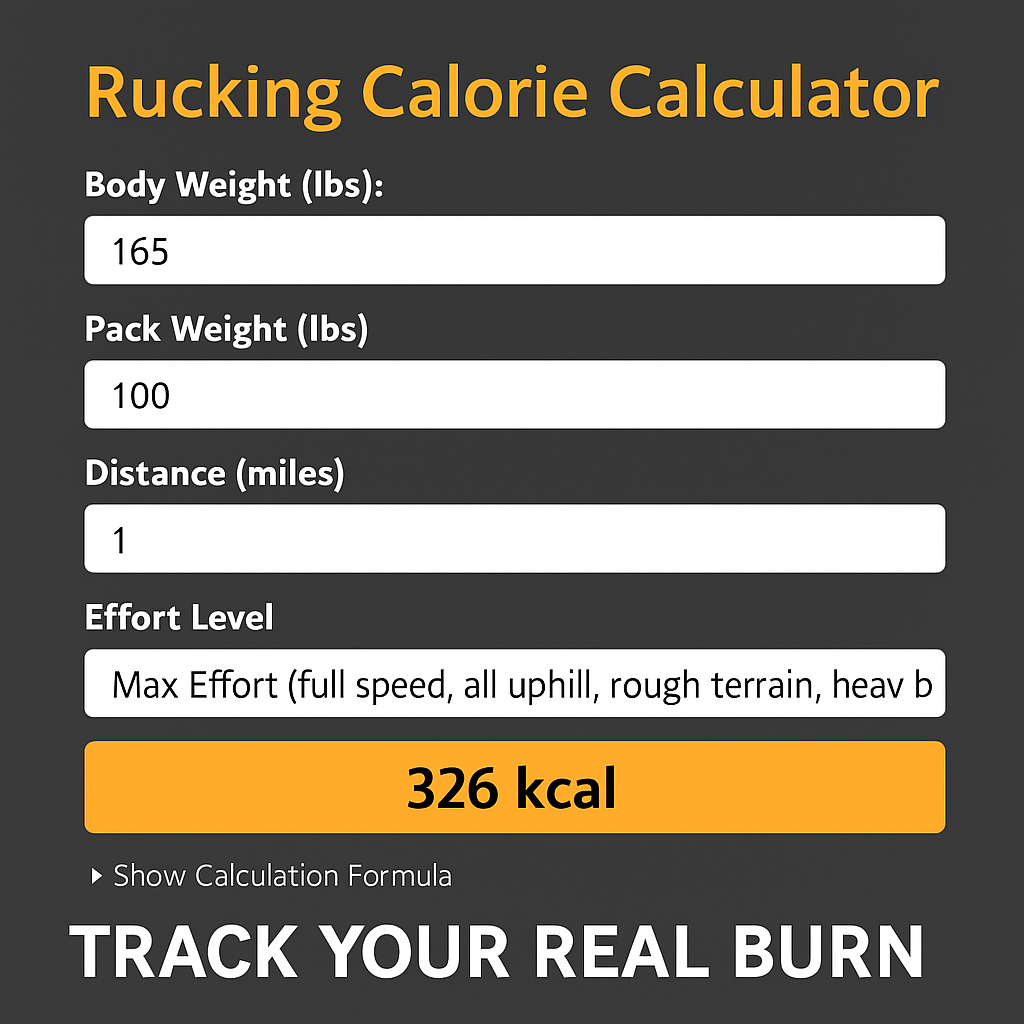
For athletes watching energy balance or wanting a starting estimate of how much more work a vest adds, use the rucking calorie calculator. It’s not gospel for CrossFit intervals, but it gives a practical baseline for session planning.

Click the calculator to enter bodyweight, vest load and duration and get an estimate you can use to adjust nutrition on heavier training days.
Final coaching notes
Be conservative, prioritize technique, and treat the vest like targeted resistance. Women respond well to steady progressive loading—small, consistent increases will give the best long-term gains in strength and conditioning without burnout. Track workouts, sleep and how the vest affects movement; adjust as needed.