Why plate choice matters for CrossFit and weighted calisthenics
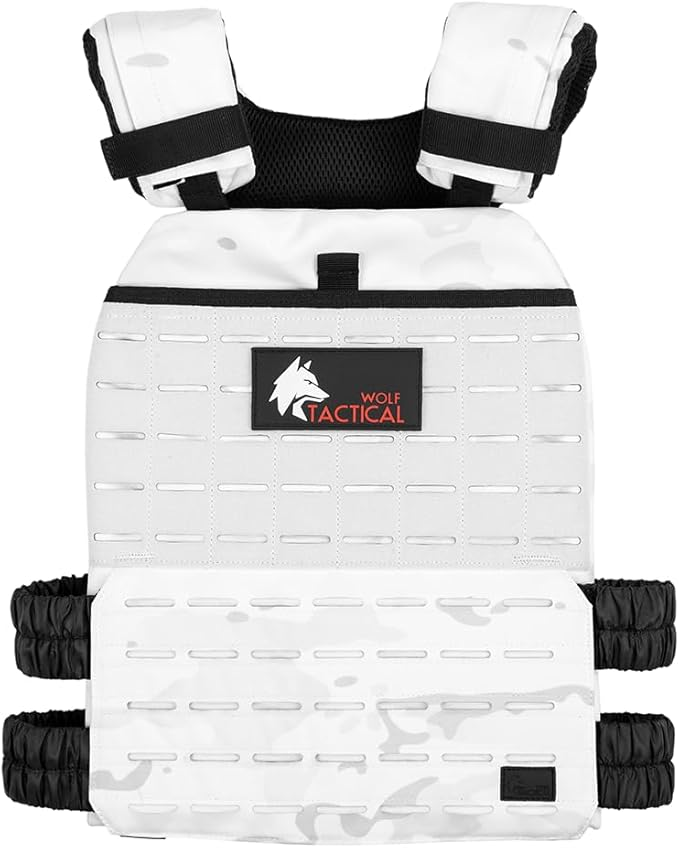
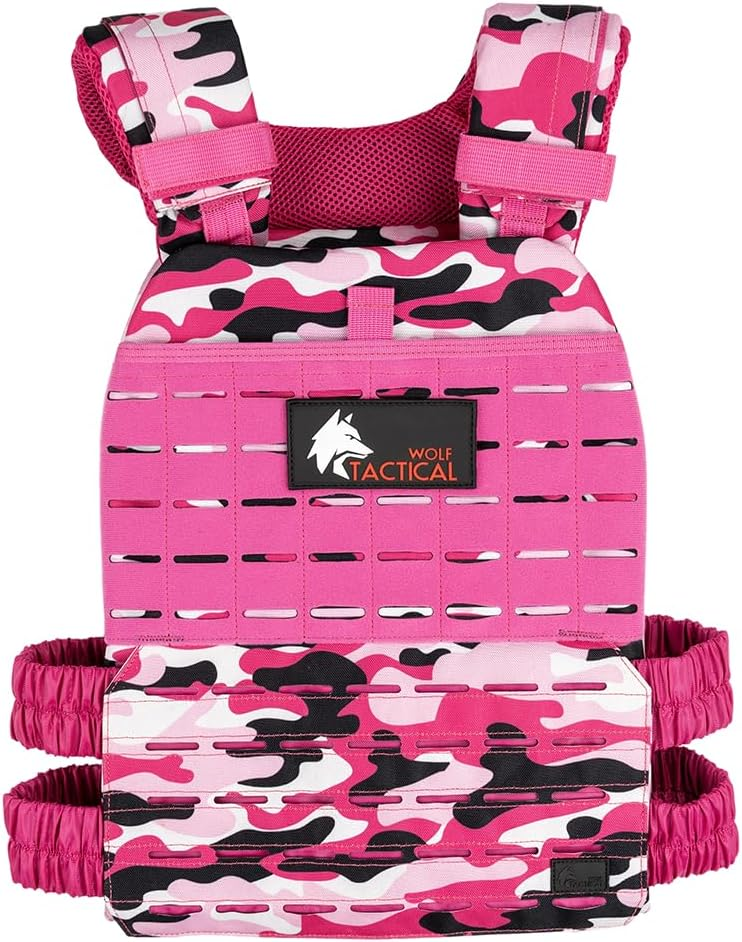
CrossFit-style WODs and weighted calisthenics demand a different approach to weighted vest plates than long rucks or steady-state walks. You’re not just adding mass — you’re changing movement mechanics, contact points, and how load shifts during dynamic movements. Pick plates that keep the center of mass close to your torso, are secure under high-impact reps, and allow incremental progression for safe programming.
Primary considerations when selecting plates
- Profile and fit — Low-profile, flat plates sit closer to the body and reduce bounce during burpees, box jumps, and muscle-ups.
- Incremental loading — Plates in small increments (2.5–5 lb) let you microload progressions without disrupting technique.
- Material and durability — Solid steel or dense composite plates resist deformation and stay seated in the vest pockets under repeated impact.
- Weight distribution — Even distribution front/back and left/right prevents rotational torque during dynamic lifts and gymnastics.
- Compatibility — Confirm the plate dimensions fit your vest’s pockets; plate shape (round vs. rectangular) can affect snugness.
Recommended plates for CrossFit-style vest work
For high-intensity interval work and skill-based movements, I favor purpose-built plate systems that lock low and flat. For heavy calisthenics and strength-focused loading, the Kensui EZ-VEST® MAX V2 is designed for large capacities and stable, evenly distributed weight. If you want simple, inexpensive plates that stack predictably inside vest pockets, the Yes4All ruck plates are a reliable option.
When you mention specific products, consider how they match your training goals.


Programming and progression tips
- Start conservatively: add a single small plate and work on movement quality for 2–3 sessions before increasing load.
- For AMRAPs or repeating skill work, prefer lower relative loads so velocity and technique remain intact.
- Use heavier plates for conditioning EMOMs or heavy sets (squats, rows, pull-ups), but remove plates for high-skill gymnastics days.
- Balance plates side-to-side and front-to-back to prevent shoulder or spinal torque during twists and kipping movements.
Safety and maintenance
Inspect plates for cracks or sharp edges, and ensure vest pockets aren’t stretched beyond manufacturer recommendations. If plates shift during reps, remove or reduce load until fit is improved — unstable load is a greater injury risk than lighter, well-seated weight.
Calculate the right load for your WOD
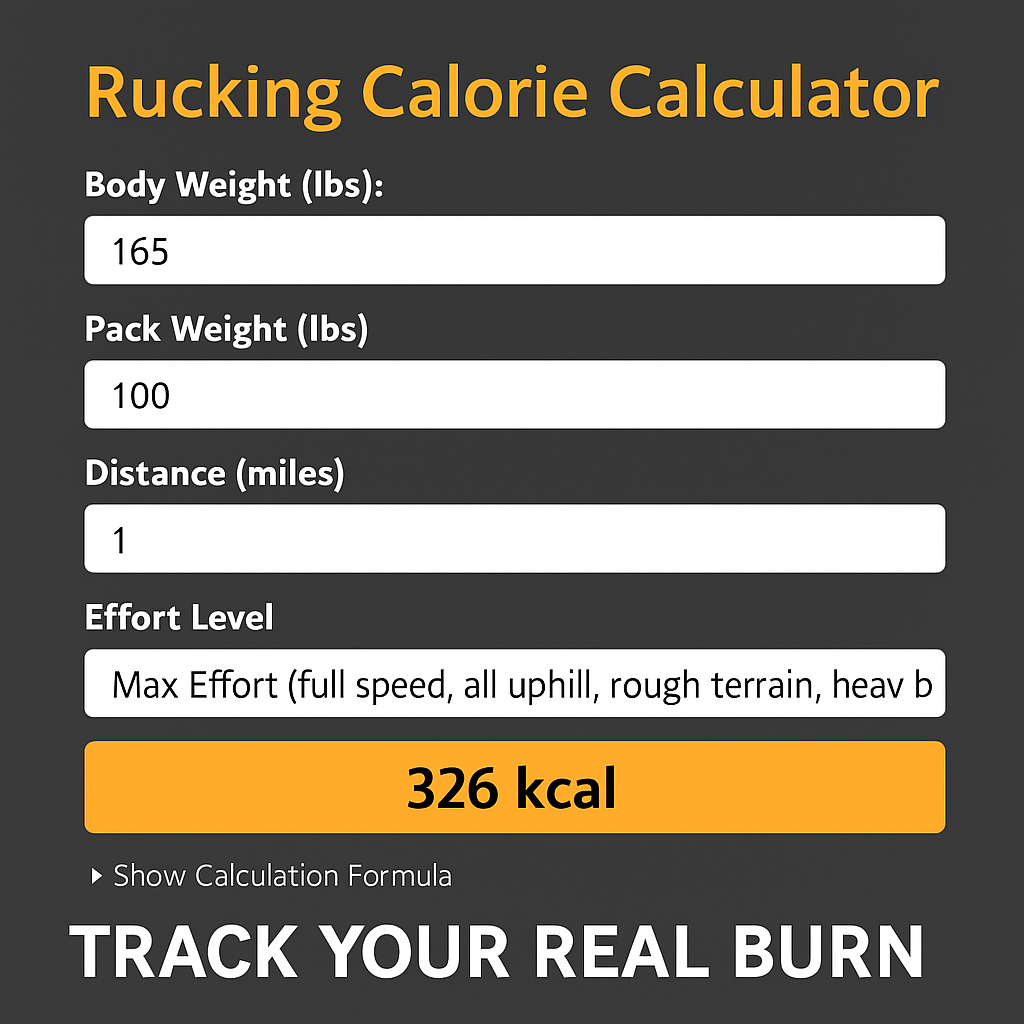
Use the rucking calorie calculator to estimate energy expenditure and help plan load and conditioning frequency. It’s a quick way to balance caloric cost with recovery needs for heavy vest training.

Final note: treat plate selection like any equipment choice — it should serve your programming, not dictate it. Prioritize plates and vests that keep the load stable, allow incremental progress, and match the specific demands of CrossFit-style WODs.