Overview: who the Ethos 60 lb weighted vest is for
The Ethos 60 lb weighted vest is built for experienced lifters and ruckers who need a compact, heavy-loading vest for strength work, loaded calisthenics, and conditioned walking. At 60 pounds of maximum load it sits between everyday walking vests and specialty commercial rigs. This guide covers fit, programming and practical safety steps so you can use the vest without pain or regressions.
Key considerations before you load
Adding fifty-plus pounds to your torso changes posture, gait, and joint loading. Treat 60 lb as a training tool, not an accessory. Start conservative, maintain spinal integrity, and prioritize mobility. If you have preexisting back or shoulder issues, consult a clinician before pushing high loads.
Fit and comfort: what matters most
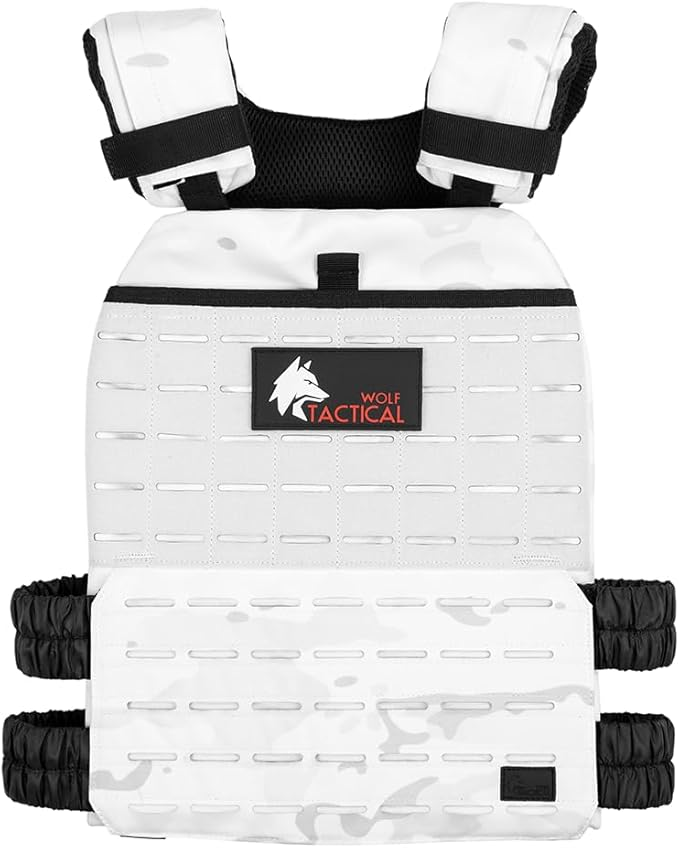
Proper fit prevents hotspots, shear, and rounding. Look for a vest that sits squarely on the sternum and upper traps, not riding low on the hips. Compression around the ribs should be snug but not restrictive to breathing. Adjust shoulder straps so the load sits high and central; that reduces torque on the lumbar spine during movement.
Checklist for fitting an Ethos-style heavy vest
- Load distribution: plates or sandbags should be centered, not offset.
- Shoulder padding: avoid thin straps that dig into traps under heavy weight.
- Torso clearance: ensure full diaphragmatic breathing at rest and under effort.
- Retention: use a secondary strap or belt to limit vertical shift during runs or high-impact work.
Training progressions with 60 lb
Don’t treat 60 lb as your starting point. Build through three phases: acclimation, volume work, and specificity.
- Acclimation (2–4 weeks): use 10–25% of the target load for walking and basic carries, 2–3x per week.
- Volume (4–8 weeks): gradually increase toward 40–60% of the heavy load with controlled sets of 10–20 minutes walking or sets of 5–10 bodyweight movements with manageable reps.
- Specificity: once movement quality is consistent, introduce 60 lb for short walks, stair climbs, and low-rep strength circuits.
Sample beginner-to-intermediate session
Warm up 10 minutes of mobility. Then: 3 rounds — 6 controlled push-ups (weighted optional), 30-second farmer carry, 10 air squats, 5 minutes brisk ruck walk. Cool down and check shoulder and low-back tolerance.
Practical tips and safety
- Prioritize breathing: heavy vests can reduce diaphragmatic space; cue deep diaphragmatic breaths between sets.
- Monitor gait: heavy loads shorten stride and increase knee flexion—watch for knee pain.
- Use short increments: microloading (2.5–5 lb) is better than sudden jumps to 60 lb.
Tools and gear that pair well
For longer rucks or when you want a pack with storage and hydration, the GORUCK Rucker 4.0 20L is a rugged option that handles plates and everyday carry. For hard strength and weighted calisthenics where maximum load matters, the Kensui EZ-VEST® MAX V2 is purpose-built for extremely heavy loading.


Estimate your calorie burn
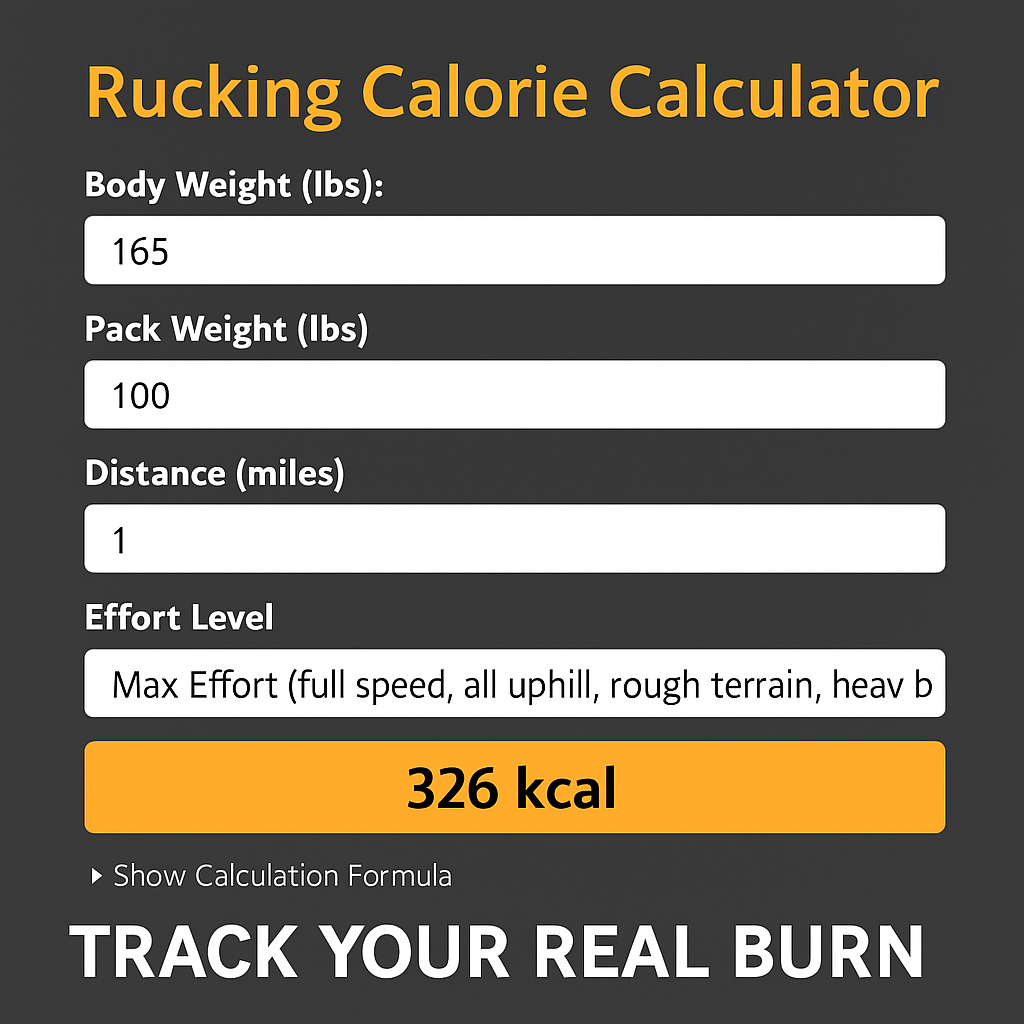
If you want a quick estimate of how the Ethos 60 lb weighted vest changes your calorie burn during a walk or ruck, use the rucking calorie calculator below. It’s the easiest way to compare unweighted versus loaded sessions and plan deficit or maintenance calories.

Bottom line: the Ethos 60 lb weighted vest is a capable tool if you respect progressive loading and prioritize fit. Use it for short, intense strength-focused sessions and controlled rucks rather than for prolonged endurance work until you’ve built the movement skill and joint tolerance.