Thinking about the Ethos weighted vest?
The Ethos weighted vest is a popular, budget-friendly plate-style vest you’ll often see in big-box stores. If you’re using it for walking, rucking, or bodyweight strength work, here’s how it stacks up and how to set it up for safer, better training.
Design and build: what to look for
Most Ethos vests use a plate-carrier layout: a front and back panel, shoulder straps, and side adjustments. That design spreads load well across the torso, but the details matter:
- Adjustability: You want snug shoulder straps and side straps that minimize bounce without restricting breath. If the vest rides up when you jog in place, tighten evenly left/right.
- Plate pocket and weights: Many Ethos vests accept flat plates or sand/steel inserts. Check the pocket dimensions, plate compatibility, and how securely the plates sit (less rattle = better).
- Breathability: Mesh lining and air channels reduce heat buildup. If you run hot or train in summer, this is non-negotiable.
- Range of motion: A low-profile front plate helps with push-ups, burpees, dips, and deep squats without digging into ribs.
Bottom line: If your Ethos unit adjusts cleanly, locks plates tight, and doesn’t rub, it can serve well for walking and calisthenics. If fit feels off or bounce persists, consider an alternative with more dialed-in ergonomics.
Fit, weight selection, and progression
Your number one goal with any vest is joint-friendly loading while maintaining clean form.
- Starting load: For walking and rucking, begin with 5–10% of bodyweight. For calisthenics, 5% is often plenty at first.
- Progression: Add 2.5–5 lb every 1–2 weeks as long as form, posture, and breathing stay solid. No hip sway, no shoulder shrugging.
- Strap setup: Set shoulder straps first so the vest sits high and centered; then tension side straps to limit bounce while allowing full breaths.
- Footwear and posture: A slight forward lean is normal on hills, but stand tall, ribs down, and keep steps short and quick.
Training ideas with a plate-style vest
- Weighted walks (20–45 min): Zone 2 effort you could sustain while talking. Great for daily calorie burn with low impact.
- Strength circuit (2–4 rounds): 10–15 push-ups, 8–12 split squats/leg, 10 rows (rings or table), 20 walking lunges, 30–60s farmer carry (no vest if overloaded).
- Hill repeats: 30–90s uphill walk, easy stroll down. Start with 6–8 reps.
Estimate your calorie burn
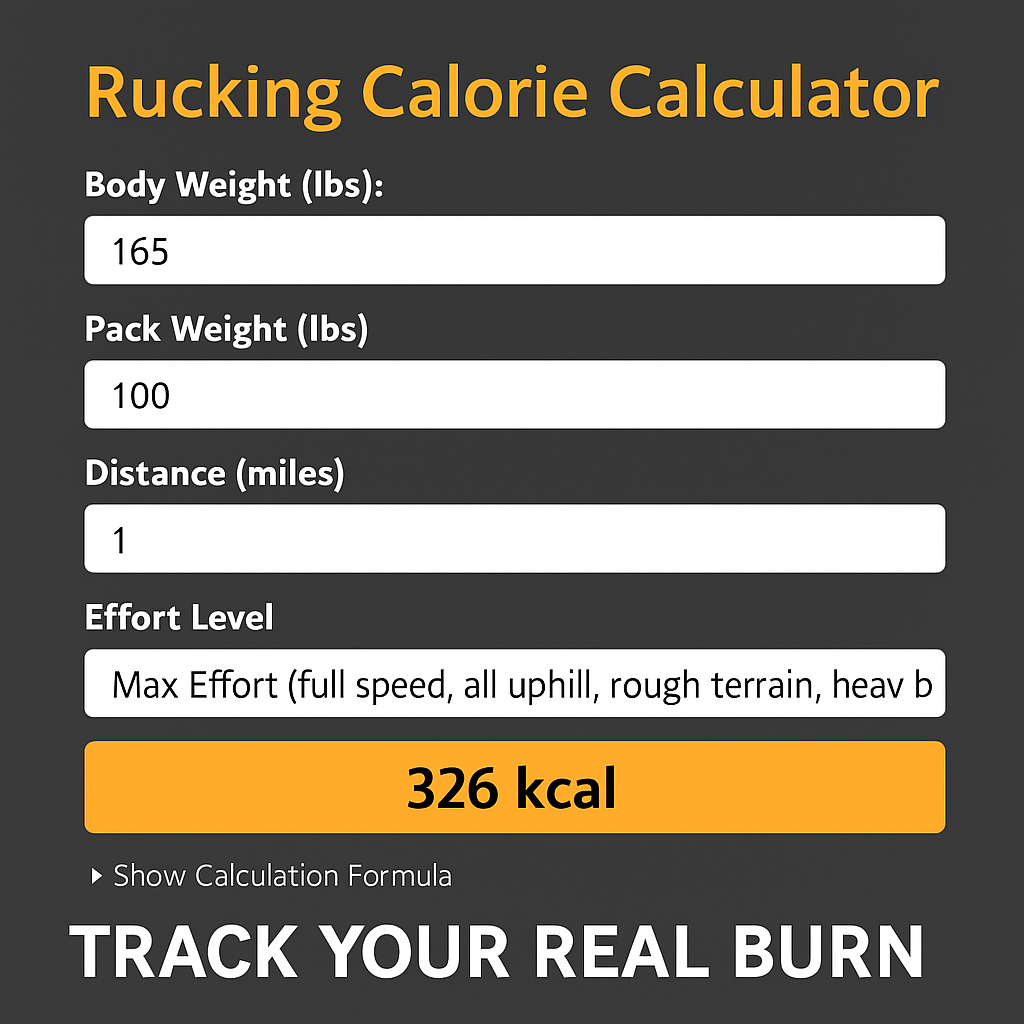
Dial your sessions with an accurate estimate of energy cost. Enter your bodyweight, distance, pace, and load to plan volume and recovery.

Trusted alternatives to consider
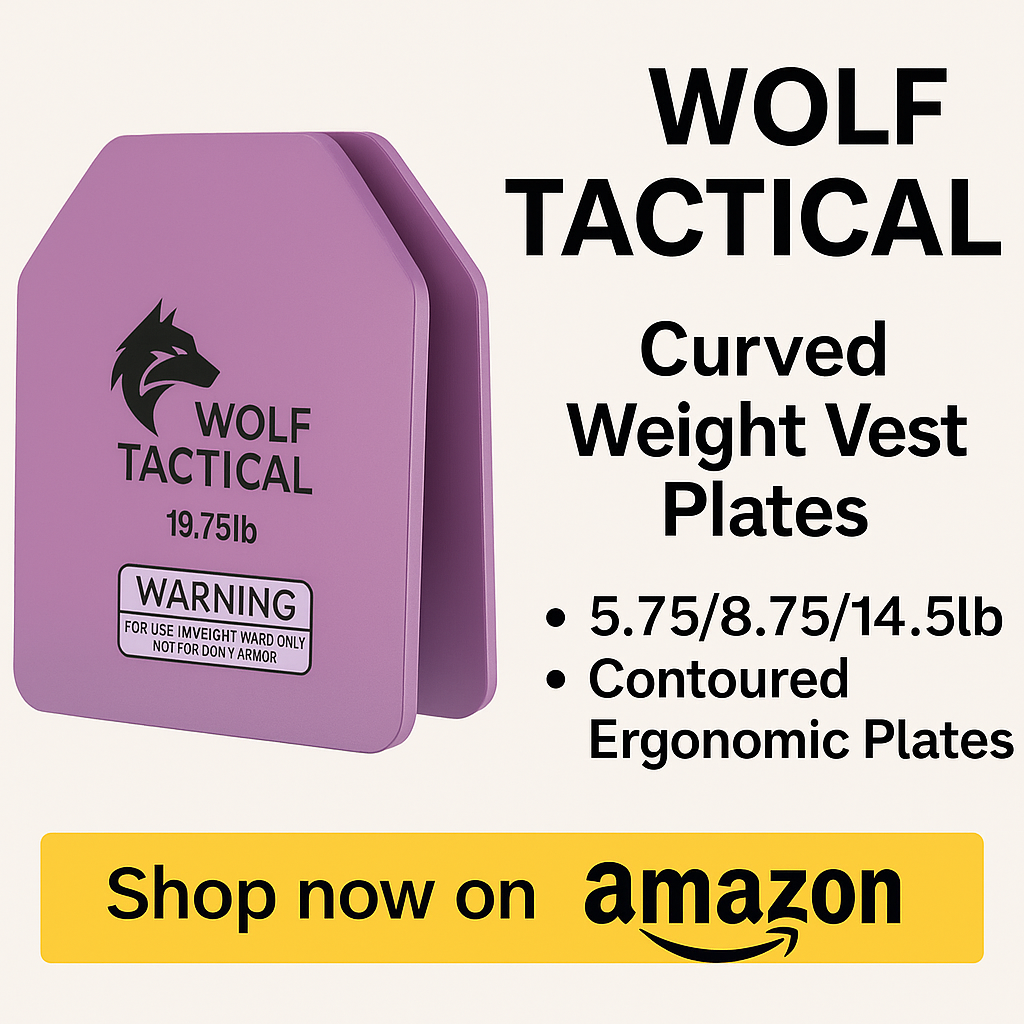
Ethos offers solid value, but if you want finer adjustability, smoother padding, or modular plate options, these vests have proven themselves for daily walks and bodyweight work.
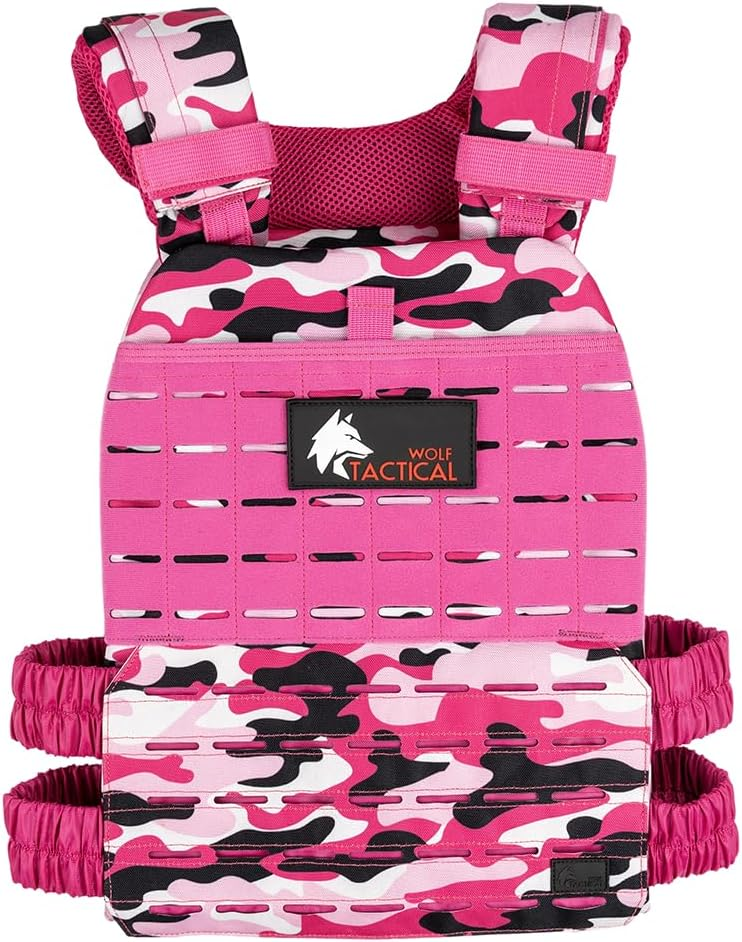
Wolf Tactical Adjustable Weighted Vest
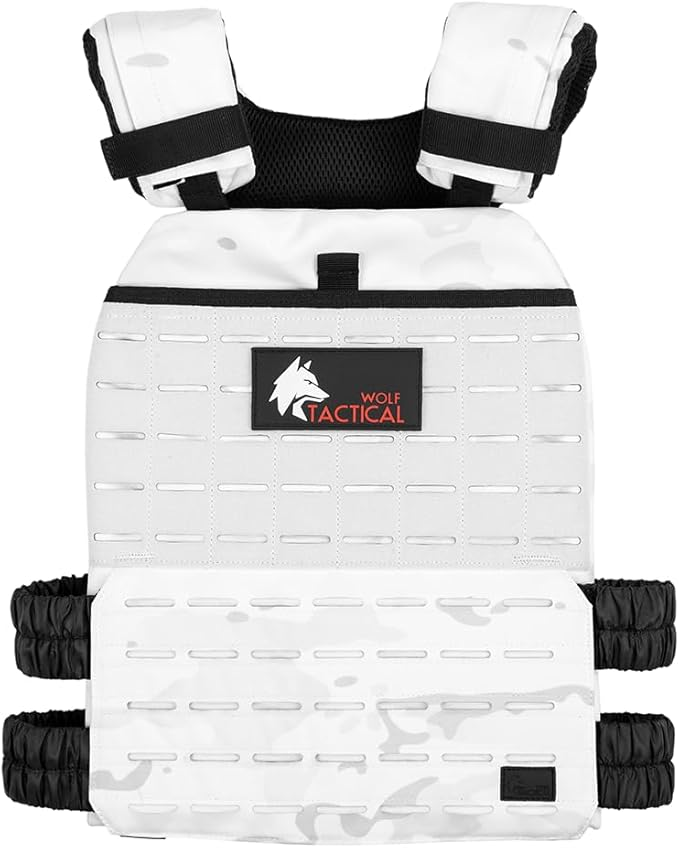
The Wolf Tactical Adjustable Weighted Vest is a comfortable, budget-conscious plate carrier that fits a wide range of athletes and locks down well for walking and interval work.

5.11 TacTec Trainer Weight Vest
The 5.11 TacTec Trainer Weight Vest offers premium padding, airflow, and movement freedom. It’s a favorite for longer sessions and mixed calisthenics.

When to upgrade
If your Ethos weighted vest bounces even when tightly adjusted, rubs at the collarbone, or traps heat on 30+ minute sessions, it’s time to upgrade. Look for: stable plate pockets, wide strap adjustment range, breathable liner, and a profile that doesn’t pinch during push-ups or deep squats.
Set your plan, start light, and progress patiently. Whether you stick with Ethos or move to a dialed-in alternative, consistent weighted walking and smart bodyweight work will compound results week after week.