Everlast weighted vest — what to expect
Everlast makes solid, budget-friendly training gear, and their weighted vests are no exception. If you’re shopping the Everlast weighted vest, know this: the design tends to favor general fitness and boxing-style conditioning over long-distance rucking. That’s fine — but fit, plate distribution, and comfort determine whether a vest is useful for walking, strength circuits, or interval conditioning.
Assess fit before you buy
A good fit is everything with a weighted vest. A poorly fitting Everlast vest can ride up during runs or pinch during push-ups. Look for these features:
- Low-profile shoulder seams that don’t rub under a backpack strap.
- Adjustable side straps or a snug torso wrap to prevent bouncing.
- Even weight distribution across the chest and back — avoid single-pocket designs that concentrate load.
Comfort and material considerations
Polyester and neoprene bodies are common in Everlast vests. They’re breathable and affordable, but padding thickness matters. Thicker padding increases comfort for static strength work; thinner profiles work better under a rucksack. If you plan to mix long walks and gym circuits, choose a vest with modular weights or replaceable plates.
Training uses and limitations
Everlast vests work well for short circuits, hill sprints, and boxing-based conditioning. For long rucks or heavy load carriage, a purpose-built ruck backpack or plate carrier is a better long-term choice — those distribute weight lower and around the hips.
- Best use: bodyweight strength circuits, short loaded walks, and conditioning rounds.
- Not ideal: sustained long-distance rucks at heavy load without a supportive hip belt.
Programming tips
Start light. Add 5–10% of your bodyweight for conditioning sessions and focus on time under load before increasing weight. Prioritize posture and avoid compensations — if your shoulders slump or your gait changes, reduce weight or improve fit.
Safety checklist
Keep these rules in every session:
- Warm up mobility for shoulders and hips before loading.
- Keep load increments small (5% bodyweight steps) and limit weighted steady-state walks to 45–90 minutes as you adapt.
- Stay hydrated and monitor for hotspots on the skin — chafing is the most common complaint.
Calculator: estimate calorie burn for weighted sessions
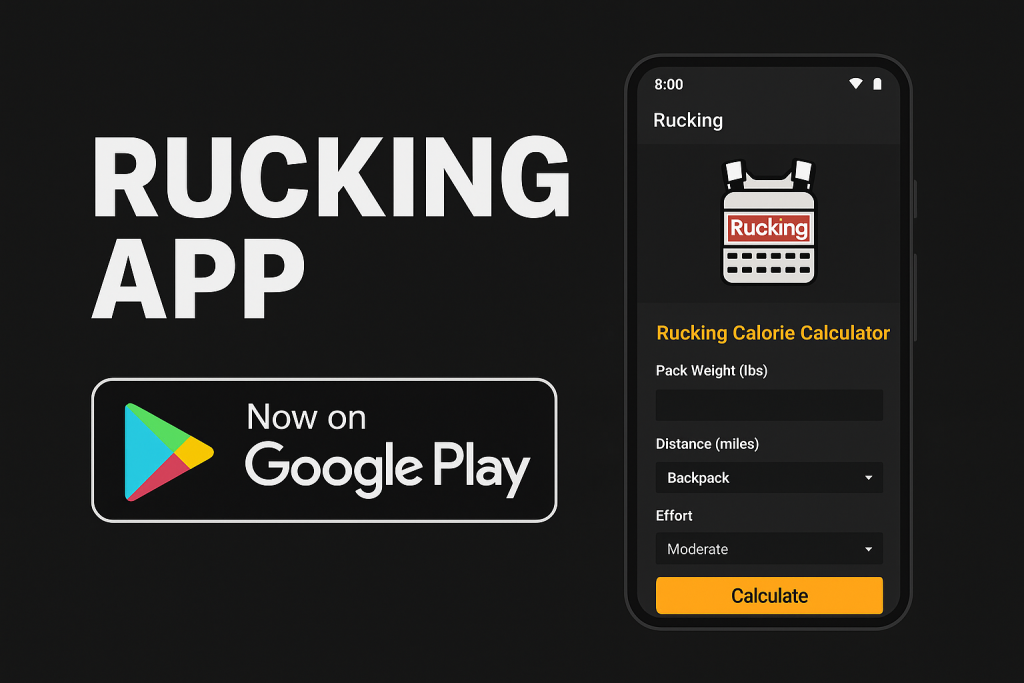
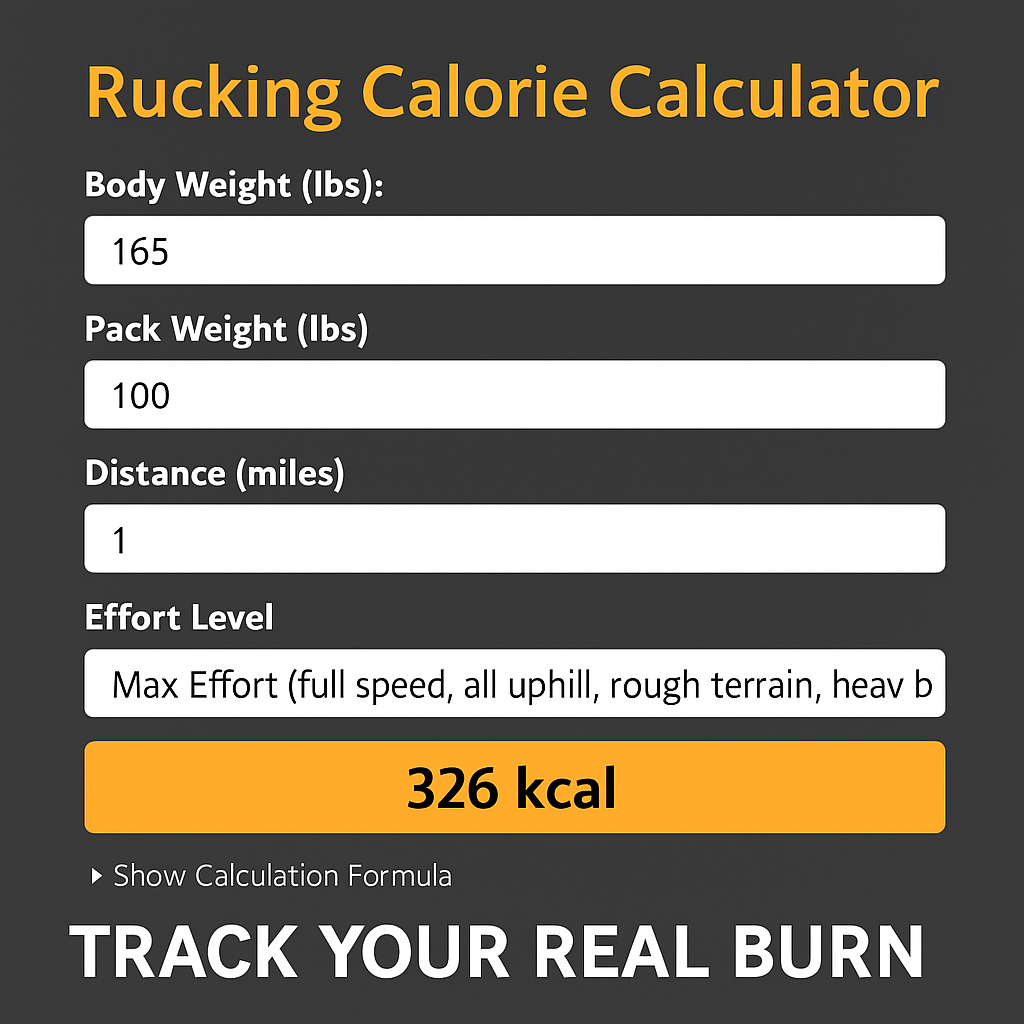
Want a quick estimate of how many calories you burn while training with an Everlast weighted vest? Use the rucking calorie calculator linked below — it works for weighted-vest sessions and short rucks alike.

Click the calculator to input your weight, pace, and vest load to get session-specific calorie estimates. Use those numbers to guide frequency and nutrition rather than chasing arbitrary daily burn targets.
Recommended complementary gear
If you plan to mix long walks or heavier loads, consider a purpose-built ruck or a well-padded vest option. Two dependable choices I point people to are below — they’re useful complements to an Everlast vest when you need durability or better load distribution.

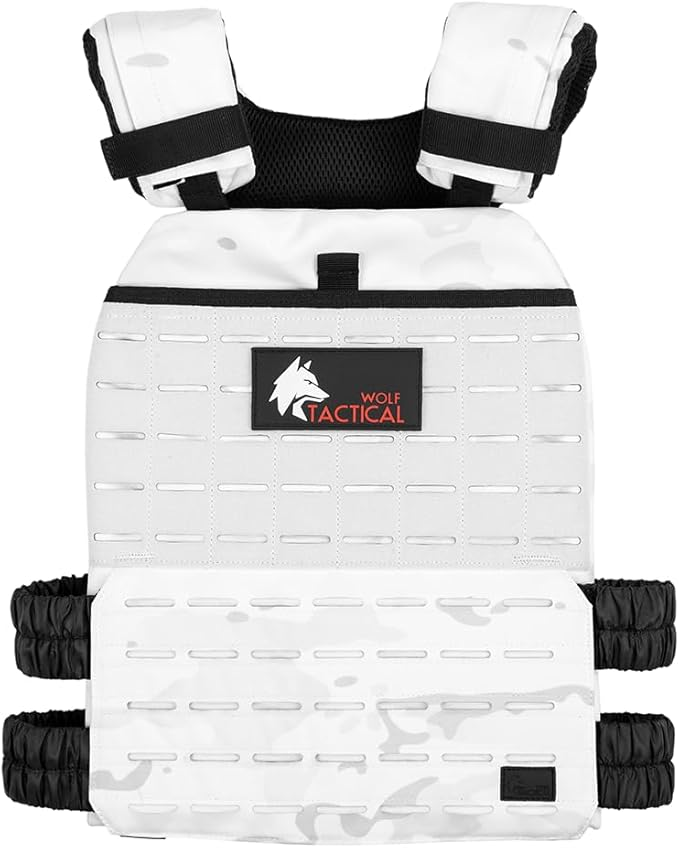
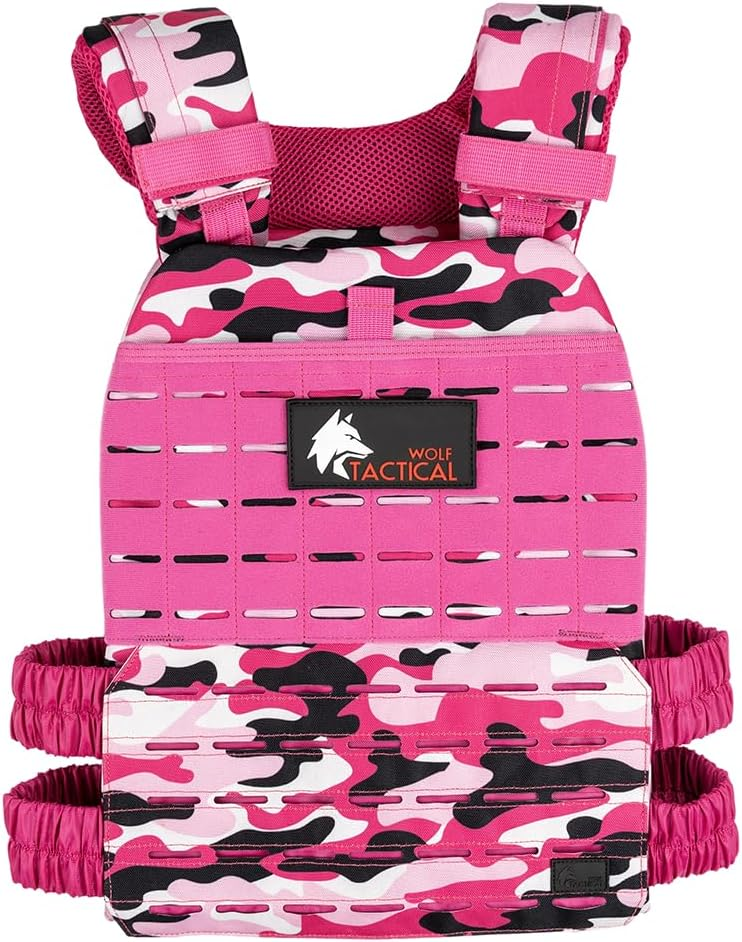
Consider the Wolf Tactical Adjustable Weighted Vest for a more configurable, everyday training option that fits well for walks and gym work.

For longer rucks or heavier loads, the GORUCK Rucker 4.0 20L offers better load carriage than a general-purpose Everlast vest.
Bottom line
The Everlast weighted vest is a solid, budget-friendly tool for conditioning and short loaded sessions. Match the vest to your goals: use it for circuits and short walks, but upgrade to a plate carrier or ruck for heavier, longer rucks. Fit, gradual progression, and sensible session length will keep training productive and injury-free.