Why train with an exercise plate carrier?
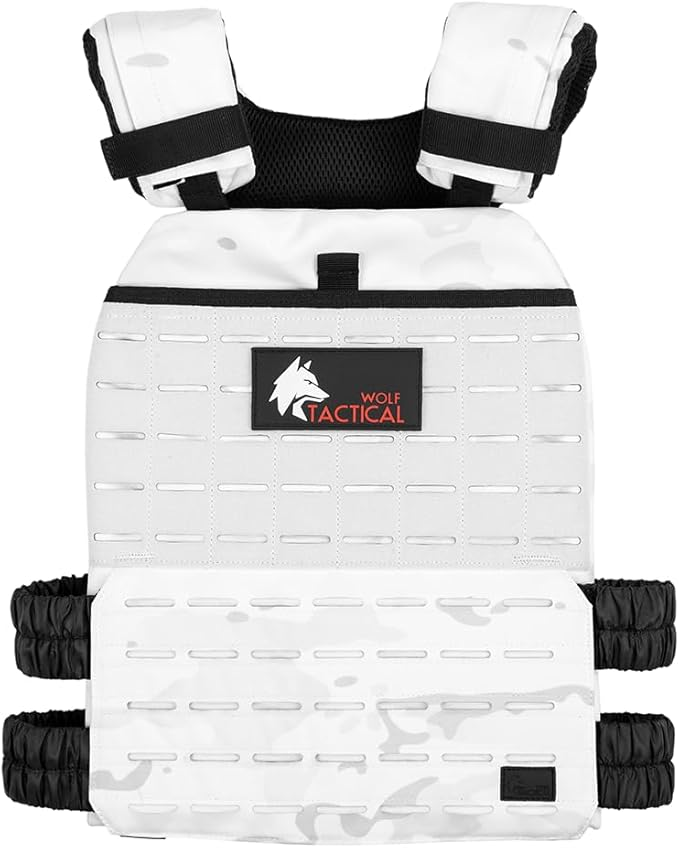
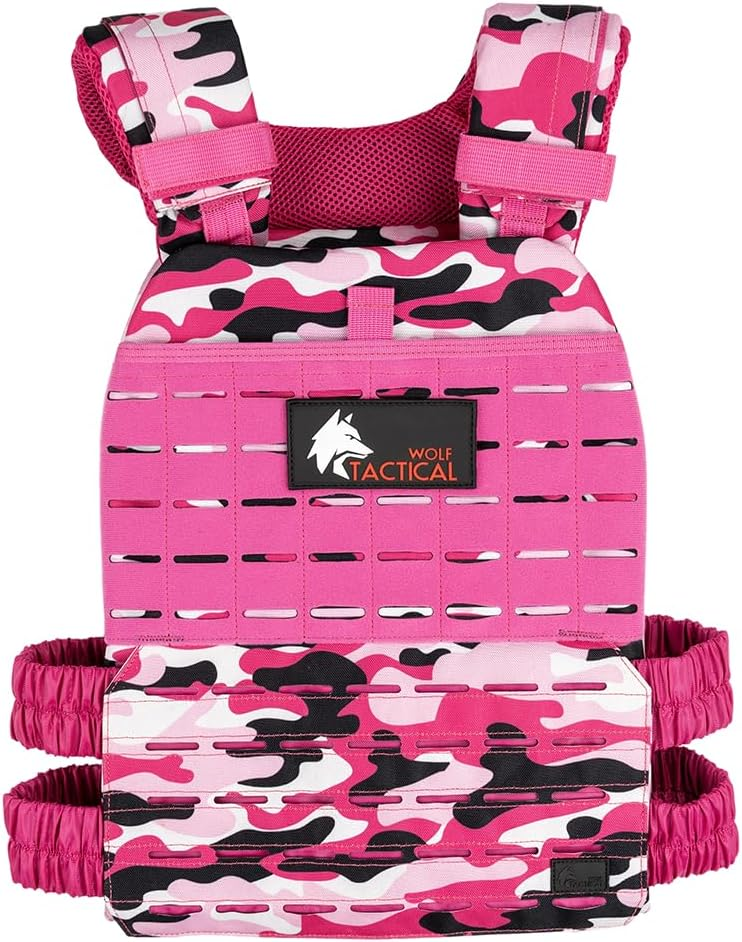
An exercise plate carrier is a simple, durable way to add load to bodyweight movements and outdoor conditioning. Unlike bulky weighted vests, plate carriers let you distribute heavy plates across the chest and back, improving load stability for rucking, carries, calisthenics, and functional strength work. When used correctly, they’re an efficient tool for progressive overload, heat-tested rucks, and tactical-style training.
Key benefits
- Better load distribution for heavy carries and sprints.
- Adjustable: swap plates to control progression precisely.
- Durable and suited to outdoor conditions—ideal for rucking or trail training.
Safety and fit
Fit matters more with plate carriers than many trainees expect. The carrier should sit high on the chest without pinching the armpits and should allow full shoulder and scapular motion. Always start unloaded to dial in fit, then add plates in small increments. If you feel peripheral nerve tingling, localized numbness, or sharp pain under load, remove plates and reassess fit and padding.
Practical setup checklist
- Choose plates balanced front and back to avoid anterior or posterior bias.
- Use soft padding or a thin base layer to prevent pressure points.
- Start with bodyweight drills before adding plates—master movement first.
Progressions and programming
Treat a plate carrier like any other loading tool: progress load, volume, or intensity slowly. For beginners, begin with short carries and farmer-walk style circuits, then introduce dynamic movements.
Sample progression (8 weeks)
- Weeks 1–2: 10–15 minute walks with light plates (5–20% bodyweight), focus on posture.
- Weeks 3–4: Add interval carries (6 x 60s with 90s rest). Include step-ups and lunges unloaded.
- Weeks 5–6: Introduce loaded calisthenics—push-ups, inverted rows, and assisted pull-ups with carrier (moderate load).
- Weeks 7–8: Longer rucks (45–90 minutes) or heavier strength days with lower reps and heavier plates.
Recommended gear
For a purpose-built plate carrier, the GORUCK Ruck Plate Carrier 3.0 is a reliable option for exercise use, with MOLLE compatibility and a fit that works across body types.

Calories, pacing, and planning
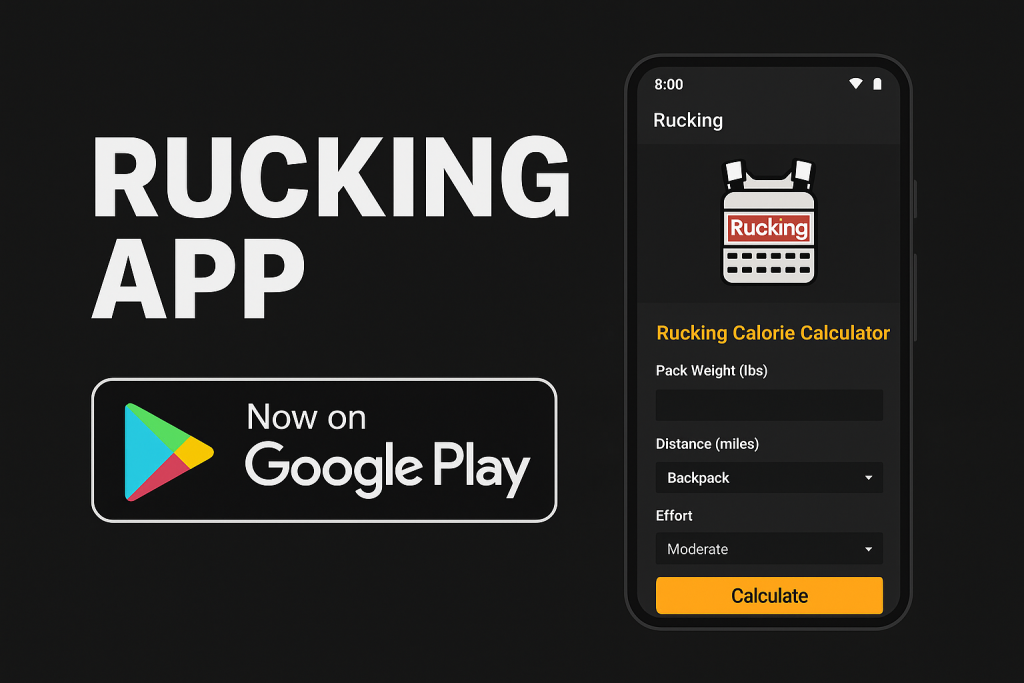
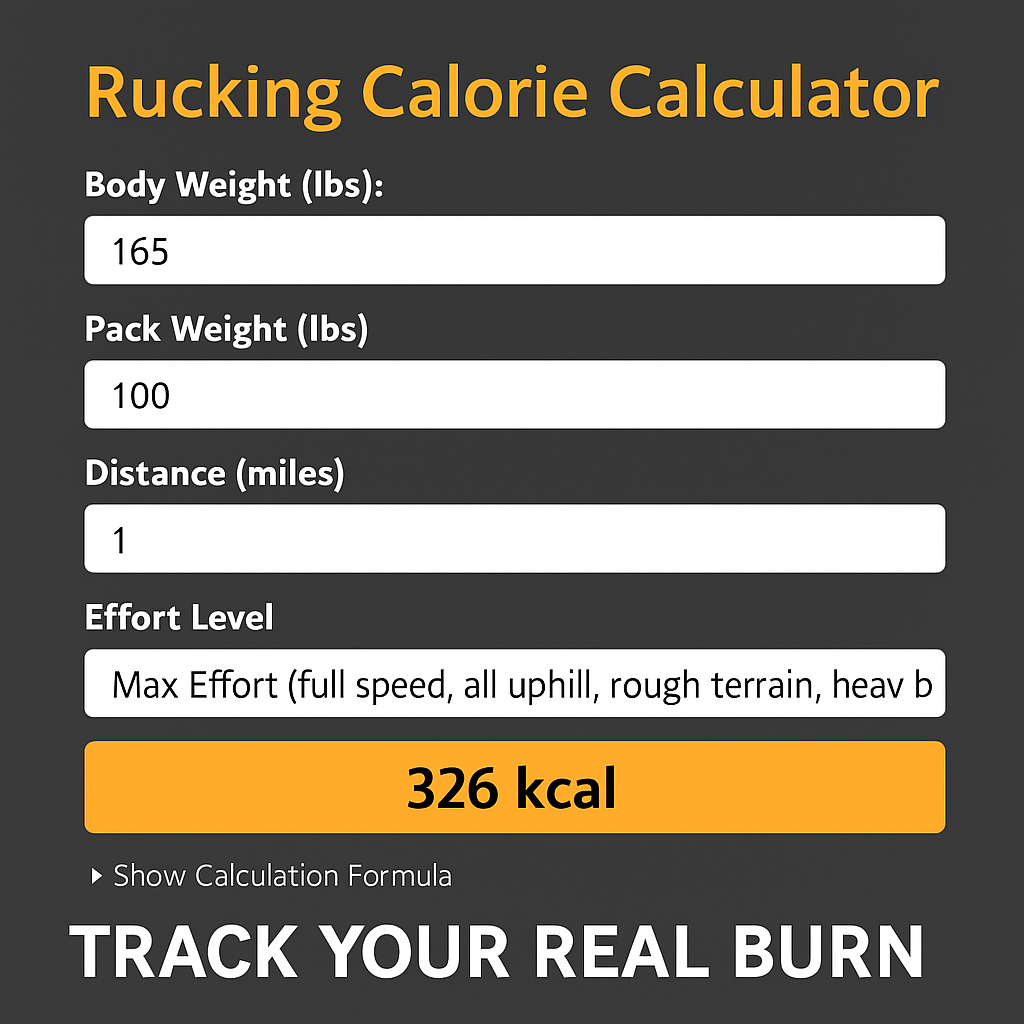
If you’re using plate carrier work for fat-loss or conditioning, track intensity and duration. Use the rucking calorie calculator to estimate energy expenditure for loaded walks and rucks—plug in your load, pace, and distance to plan sessions and recovery windows.

That calculator is the fastest way to convert a 60-minute loaded walk into estimated calories burned so you can program frequency around recovery and nutrition.
Coaching cues and common mistakes
- Keep a neutral spine—don’t lean forward to compensate when the carrier is heavy.
- Step shorter and faster on technical terrain to protect knees and hips.
- Avoid max-loading for high-rep or high-velocity drills; plate carriers are best used for moderate-rep strength work and sustained endurance efforts.
Final practical advice
Use an exercise plate carrier like any progressive tool: respect loading, prioritize mobility and technique, and increase time under load gradually. For mixed sessions—rucks plus strength—alternate heavier and lighter days across the week and let recovery guide load increases. If you’re new to loaded training, start conservative and track progress with time, distance, and perceived exertion rather than chasing maximal weights.