Why an exercise vest works
An exercise vest (weighted vest) adds external load to everyday movement so you can get more training effect from the same time. The load increases heart rate, boosts calorie burn, strengthens the lower body and trunk, and supports bone density through higher mechanical loading. Because the weight sits over your center of mass, it keeps your hands free and encourages natural gait mechanics.
Choose the right weight and fit
- Start light: 5–10% of bodyweight for walks and daily movement. If you weigh 180 lb, begin with 10–18 lb.
- Progress gradually: Move toward 12–15% for short hill walks or bodyweight circuits as your joints and connective tissue adapt.
- Advanced loads (18–20%+): Useful for short, focused sessions—not for long walks until you have 8–12 weeks of consistent training.
- Snug, high, and stable: The vest should ride high on the torso, with minimal bounce. Tighten evenly across the chest and waist so breathing remains unrestricted.
- Breathable materials: Look for broad shoulder straps, ventilated mesh, and quick-adjust closures for on-the-fly tweaks.
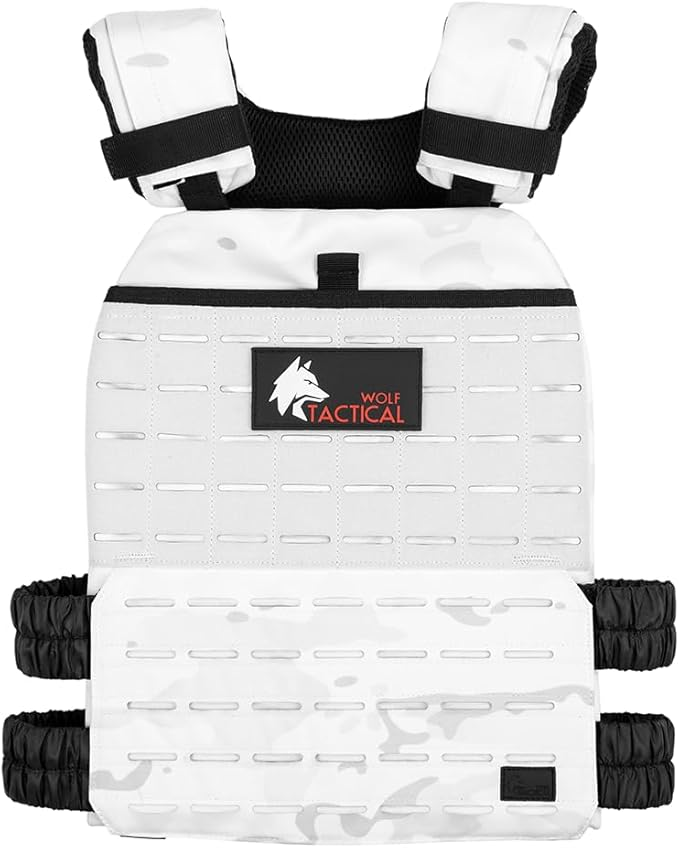
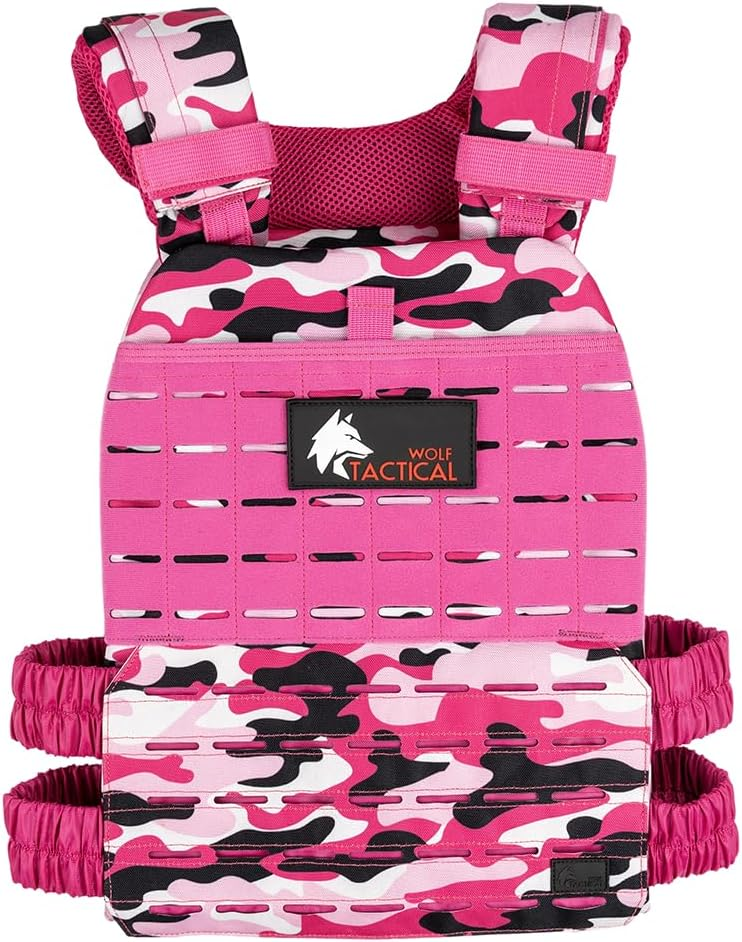
For balanced comfort and adjustability, the Wolf Tactical Adjustable Weighted Vest is an easy, beginner-friendly option with secure fit and fast weight changes.

If you want premium comfort and durability, the 5.11 TacTec Trainer Weight Vest spreads load well across the torso and moves cleanly during squats, lunges, and push-ups.

4-week progression to get started
Train 3 days per week on non-consecutive days. Keep the vest light at first and focus on good posture: tall chest, neutral ribs, slight lean from the ankles.
- Week 1: 15–25 minutes brisk walking with 5–10% bodyweight. RPE 5–6/10. Optional: 2 rounds of 8–10 step-ups and 8–10 incline push-ups after the walk.
- Week 2: 20–30 minutes walking, same weight. Add one extra hill or staircase. If joints feel good, include a third round of step-ups and push-ups.
- Week 3: Increase to 10–12% bodyweight if recovery is solid. 25–35 minutes walking. Add 2–3 sets of 10 bodyweight squats mid-walk.
- Week 4: Maintain load; extend total time to 30–40 minutes. Keep RPE 6–7/10. Deload the final 2–3 days by dropping 5 minutes or removing accessory sets.
Progress by one variable at a time: time, hills, or weight. If knees, hips, or lower back feel achy, back off volume before you add load.
Track calorie burn the simple way
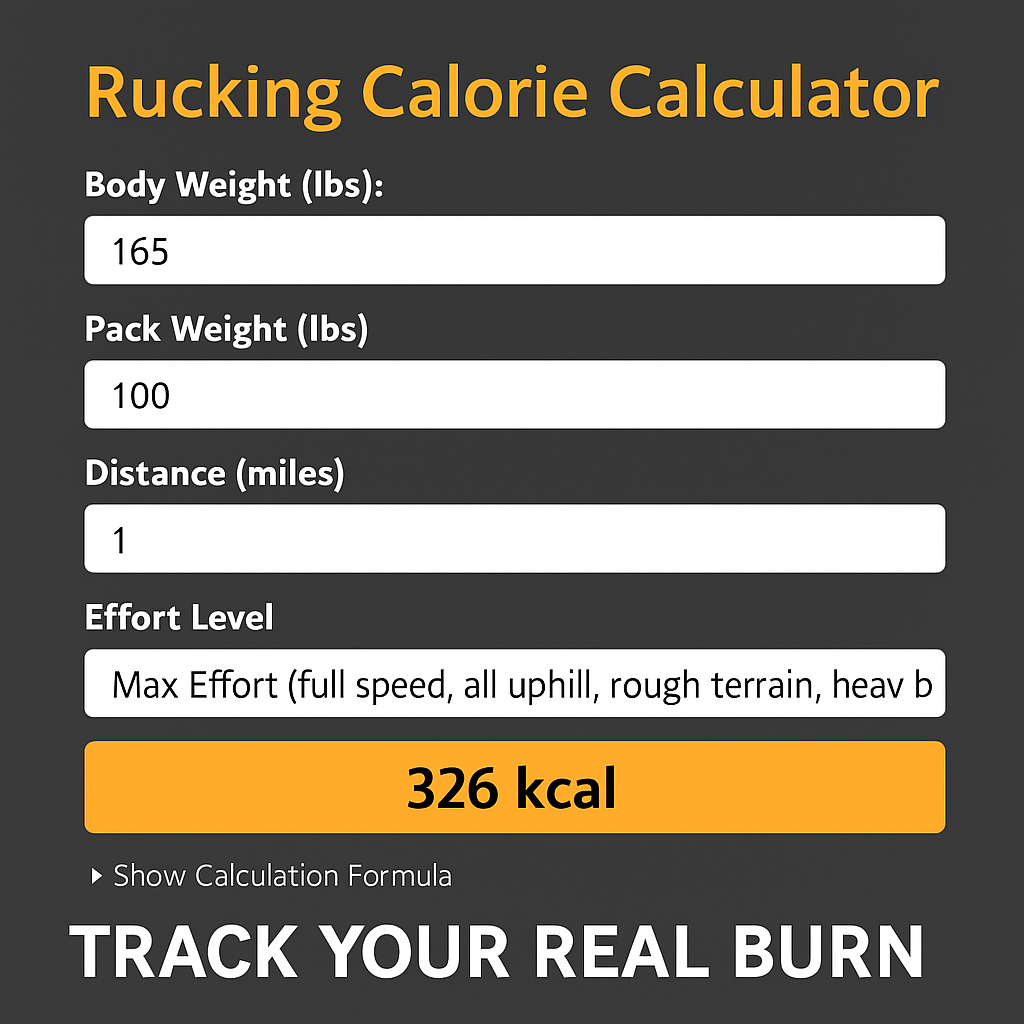
To estimate the energy cost of your walks or circuits with an exercise vest, plug your stats into this calculator and track sessions over time. Use a consistent route or loop so you can compare apples to apples.

Technique tips that protect joints
- Posture and cadence: Shorten your stride slightly and keep a steady rhythm (think 110–120 steps per minute).
- Terrain: Start on flat, predictable surfaces. Introduce hills gradually and descend with short steps to reduce impact.
- Breathing: In through the nose when possible; exhale fully to keep the core engaged and ribs stacked.
- Footwear: Use supportive walking or trail shoes; rotate pairs if you walk daily.
- Recovery: 7–9 hours sleep, protein at each meal, and a rest day after harder sessions.
Stick with consistency over intensity. Start light, move well, then add load. In a month you’ll feel stronger, move better, and have the data to increase volume intelligently.