What an exo weight vest is and why it matters
An exo weight vest places load externally on your torso so you can add resistance to walking, intervals, and ruck-specific drills without changing movement patterns. For ruckers and outdoor athletes the advantage is simple: predictable load, easy progression, and a straightforward way to increase caloric cost for the same route or time. Treat an exo vest as a training tool—progress slowly, prioritize comfort and breathing, and use proven programming.
Fit and placement: start with comfort
Proper fit matters more than how many pounds the vest holds. An exo vest should sit high on the chest, remain stable during stride, and not pinch or ride up. If the weight shifts or compresses your breathing, reduce load and correct the fit. For many beginners, a simple, adjustable vest is a smarter first buy than an all-metal plate system.
- Check shoulder straps for padding and adjustability.
- Make sure the vest compresses evenly—no single pressure points.
- Begin with 5–10% of bodyweight for short sessions, then add 2–5% as you adapt.
Programming with an exo weight vest
Use the vest to make walking, intervals, and stair work harder without changing time or distance. A sample progression for a new user: three ruck-style walks per week, starting at 20–30 minutes with light load, increasing session length first, then load. Prioritize form: upright posture, shorter stride if the load pulls you forward, and controlled breathing.
Safety, breathing, and recovery
Weighted vests compress the chest slightly and change breathing mechanics. Always test loads on a flat, low-risk route. If your respiratory rate spikes or you feel dizziness, stop and reduce load. Recovery matters: add mobility, foam rolling, and walk-only days between heavy sessions.
Product options for exo-style training
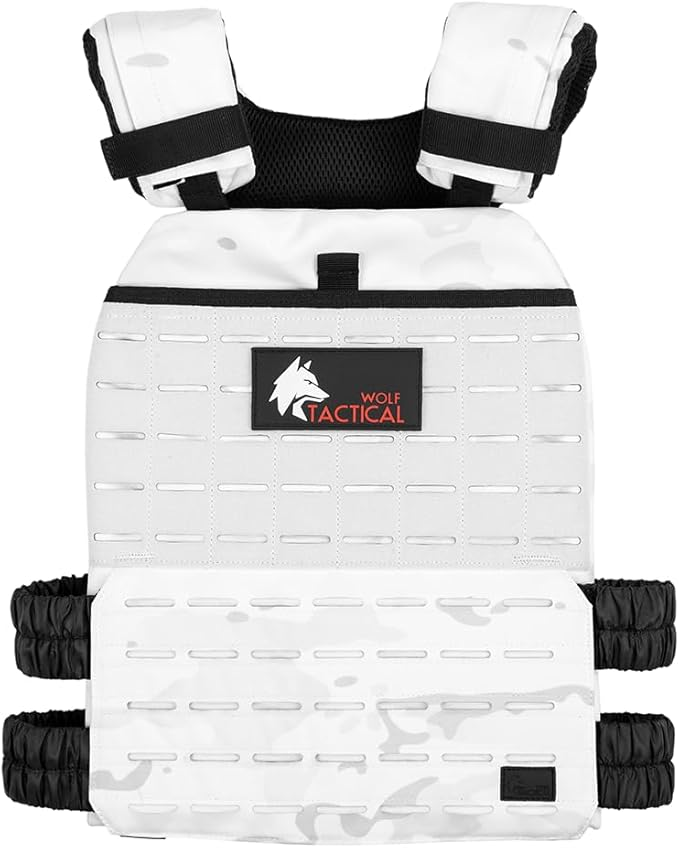
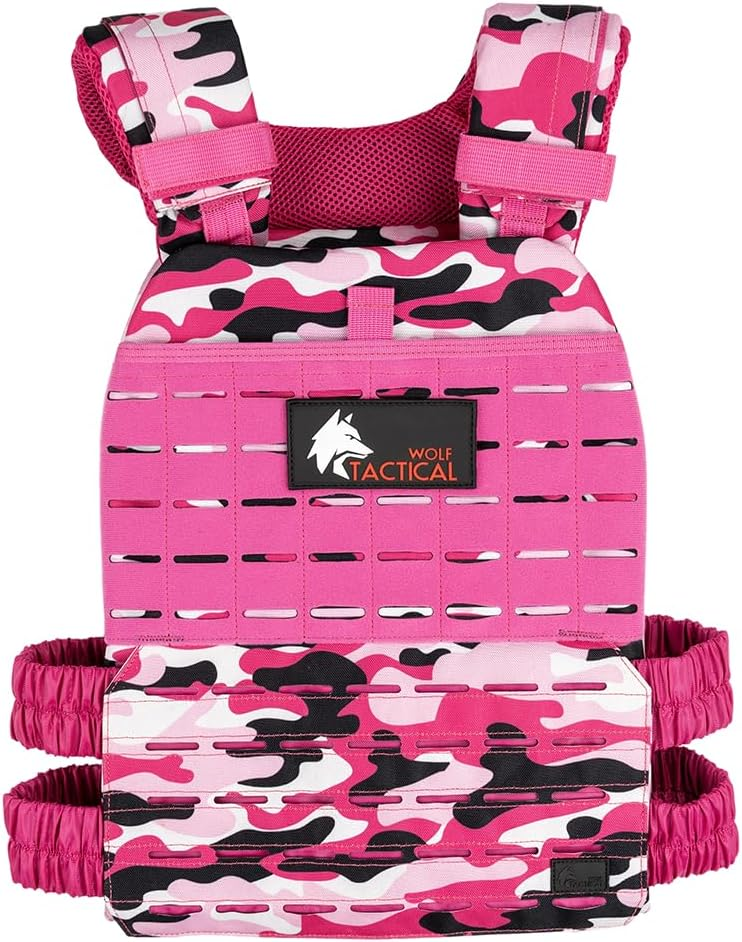
For a comfortable, beginner-friendly option I often point people to the Wolf Tactical Simple Weighted Vest because it balances adjustability and comfort. For ruck-style distance and integrated packing, a ruck like the GORUCK Rucker 4.0 20L smooths transition to heavier, longer work.

Also consider a ruck for longer routes:

Estimate how many calories you burn
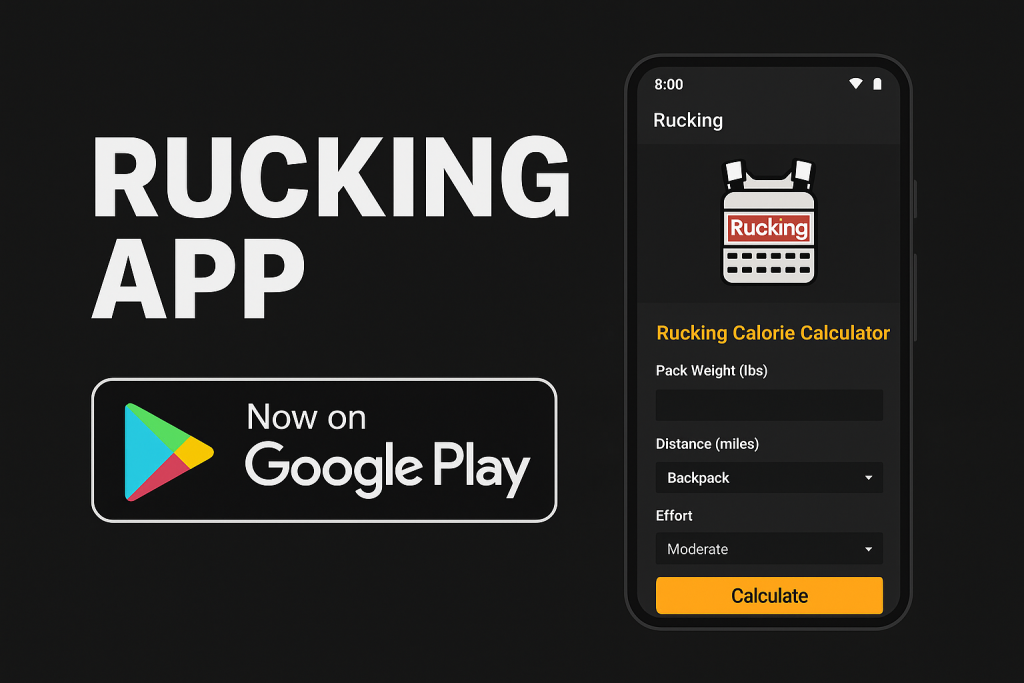
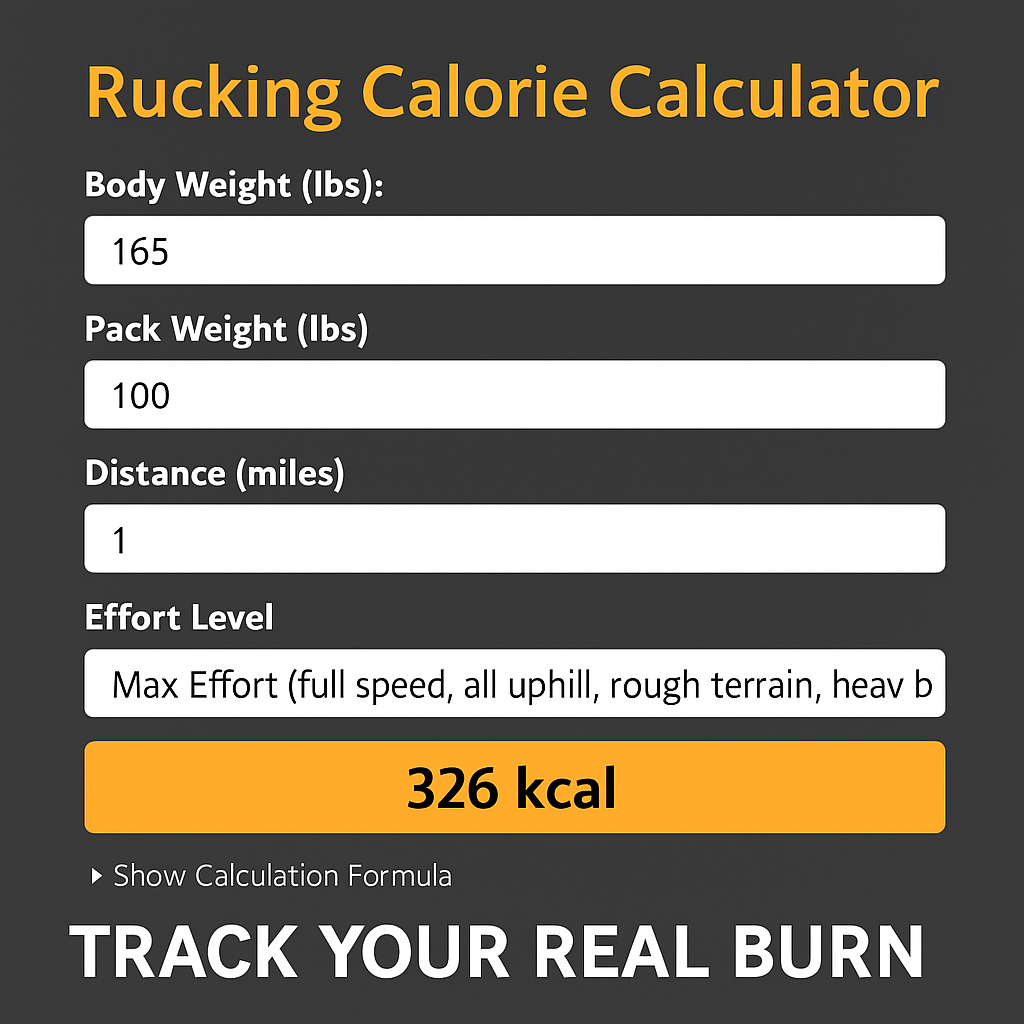
To plan progress and monitor energy balance, use the rucking calorie calculator. Plug your bodyweight, vest load, and pace to get a realistic burn estimate for walks and rucks.

A quick note from my experience
I lost 90 lbs through consistent rucking, weighted-vest training, and disciplined nutrition, and I still recommend weighted vests as one of the most reliable ways to maintain a lower body weight and burn fat consistently. Start conservatively, track your routes and perceived exertion, and increase load when time and recovery allow.
Final checklist before your first loaded walk
- Fit check: vest stable, shoulders comfortable.
- Route check: flat, short loop for a first session.
- Hydration and snack within reach—longer rucks need planning.
- Record weight, distance, and RPE so you can progress logically.
Exo weight vests are a simple, durable way to add volume and intensity to outdoor training. Treat the vest like a tool: adjust load before you lengthen sessions, respect recovery, and measure progress with consistent data.