Why an EZ weight vest works for real training
An ez weight vest is an easy way to add external load to walking, running, and bodyweight work without changing movement patterns. Used correctly, it increases calorie burn, strengthens posture and hips, and makes daily movement feel easier. I write this from experience as an ISSA-certified trainer who used weighted vests and rucking to lose 90 lbs and stay in shape—practical, progressive use beats flashy programs every time.

Start here: fit, feel, and first week progressions
Begin with fit. The vest should sit high on your torso, close to the chest and shoulders, not sag at the hips. If it shifts as you walk, tighten straps or remove weight. For absolute beginners, start with 5–10% of bodyweight for short 20–30 minute walks. Add 1–2 pounds per week or increase duration first—consistency matters more than chasing heavy loads.
- Check posture: neutral spine, chest up, shoulders back.
- Breathing: controlled diaphragmatic breaths; avoid gasping during early sessions.
- Pacing: RPE (rate of perceived exertion) 5–7 for aerobic sessions; save 8–9 for short interval efforts.
Sample 6-week progression with an EZ weight vest
Progress gradually. Week 1 focuses on technique and base time; Week 6 should feel significantly easier with slightly more load or distance. Example plan:
- Weeks 1–2: 20–30 minute walks, 5–10% bodyweight.
- Weeks 3–4: 30–45 minute walks, add 2–5 lbs or a mile.
- Weeks 5–6: 45–60 minute walks, 10–15% bodyweight, add short hill intervals.
Incorporating strength and mobility
Weighted vests are versatile. Add short circuits of push-ups, step-ups, and air squats while wearing the vest for added intensity. Always prioritize hip hinge mechanics and ankle mobility before increasing weight. A heavy vest changes joint loading patterns—build mobility and posterior chain strength alongside rucking or walks.
Choosing the right product
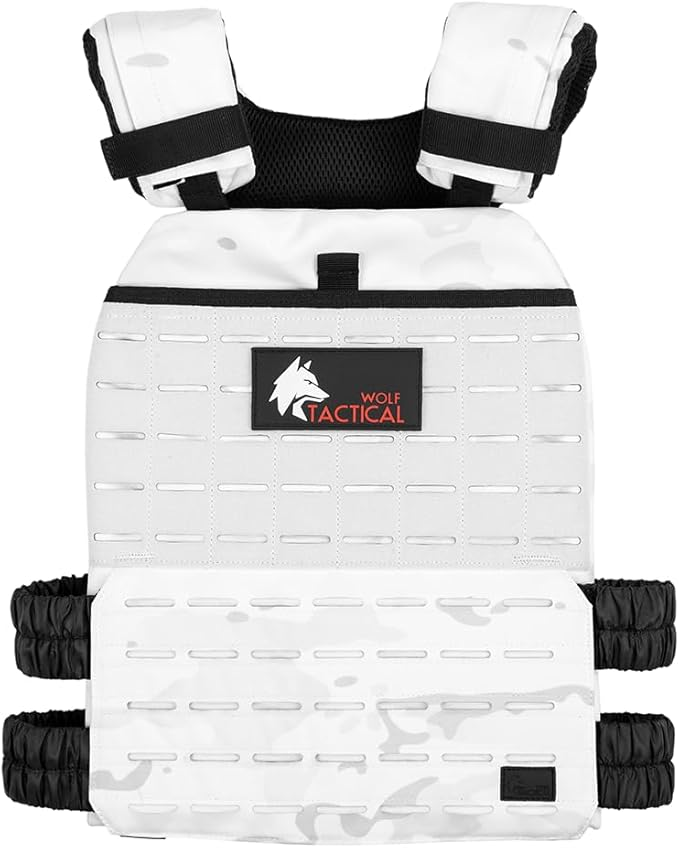
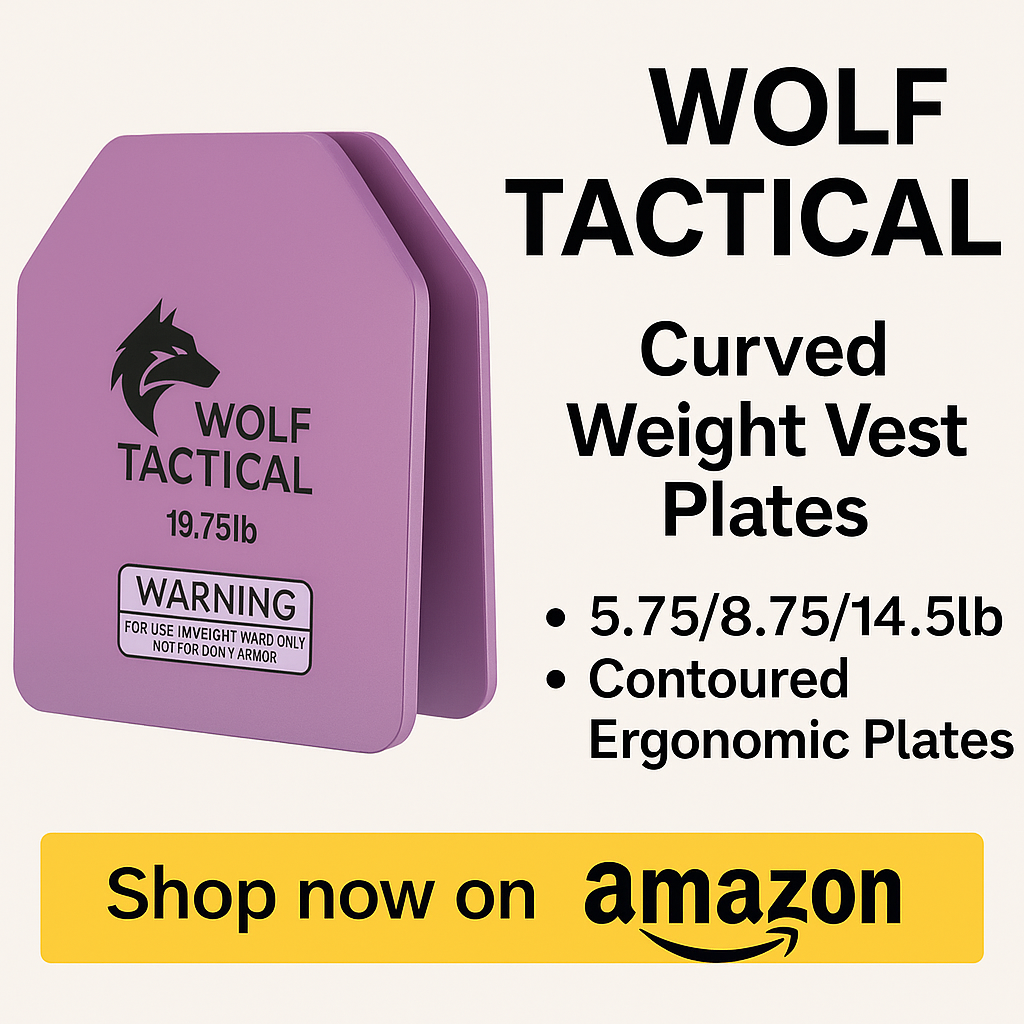
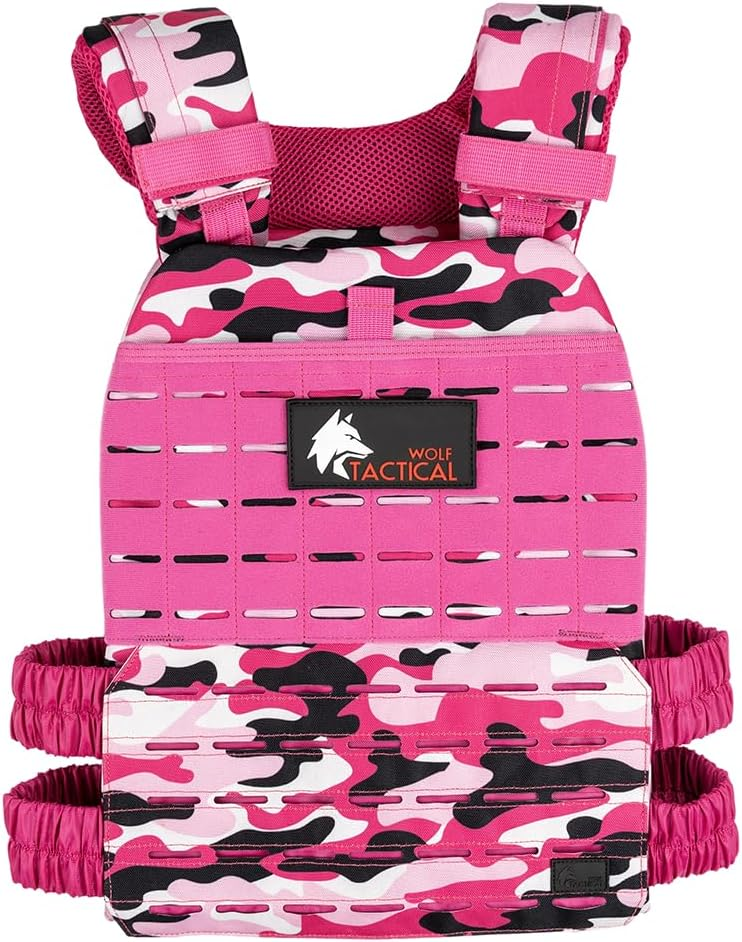
Not all vests are the same. If you want a heavy-capacity, plate-friendly option for progressive loading, consider the Kensui EZ-VEST® MAX V2. For everyday comfort and beginner-friendly fit, a Wolf Tactical vest is a reliable pick.

For a more comfortable, daily-wear option, the Wolf Tactical Adjustable Weighted Vest fits well for walks and ruck-style conditioning. Both options cover different needs—choose based on how much load you plan to carry and how you plan to train.

Use the calculator to dial your sessions
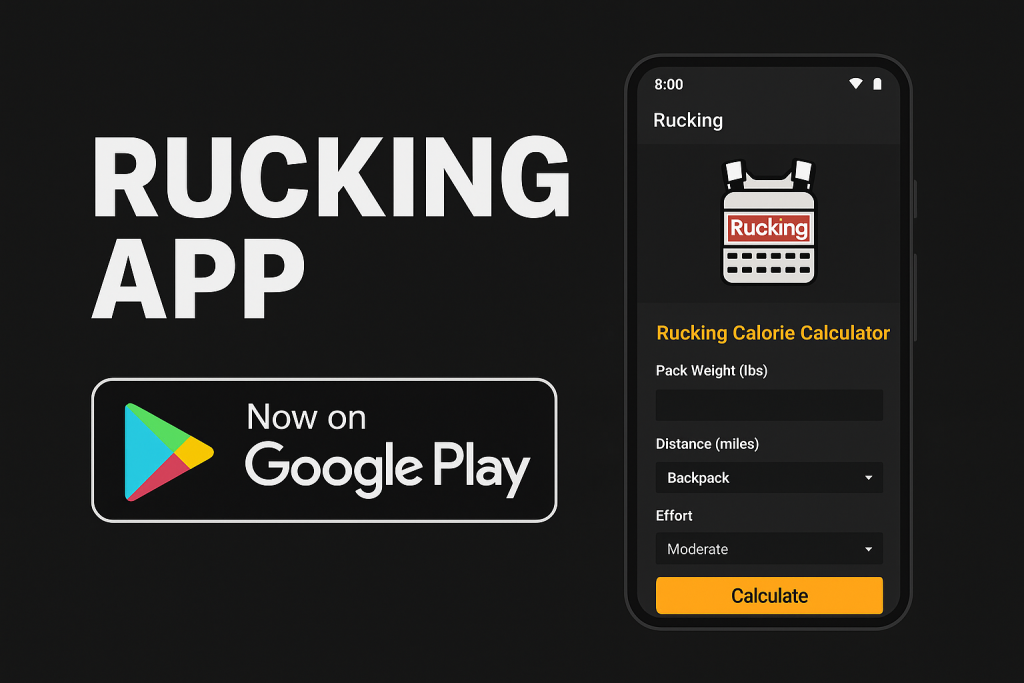
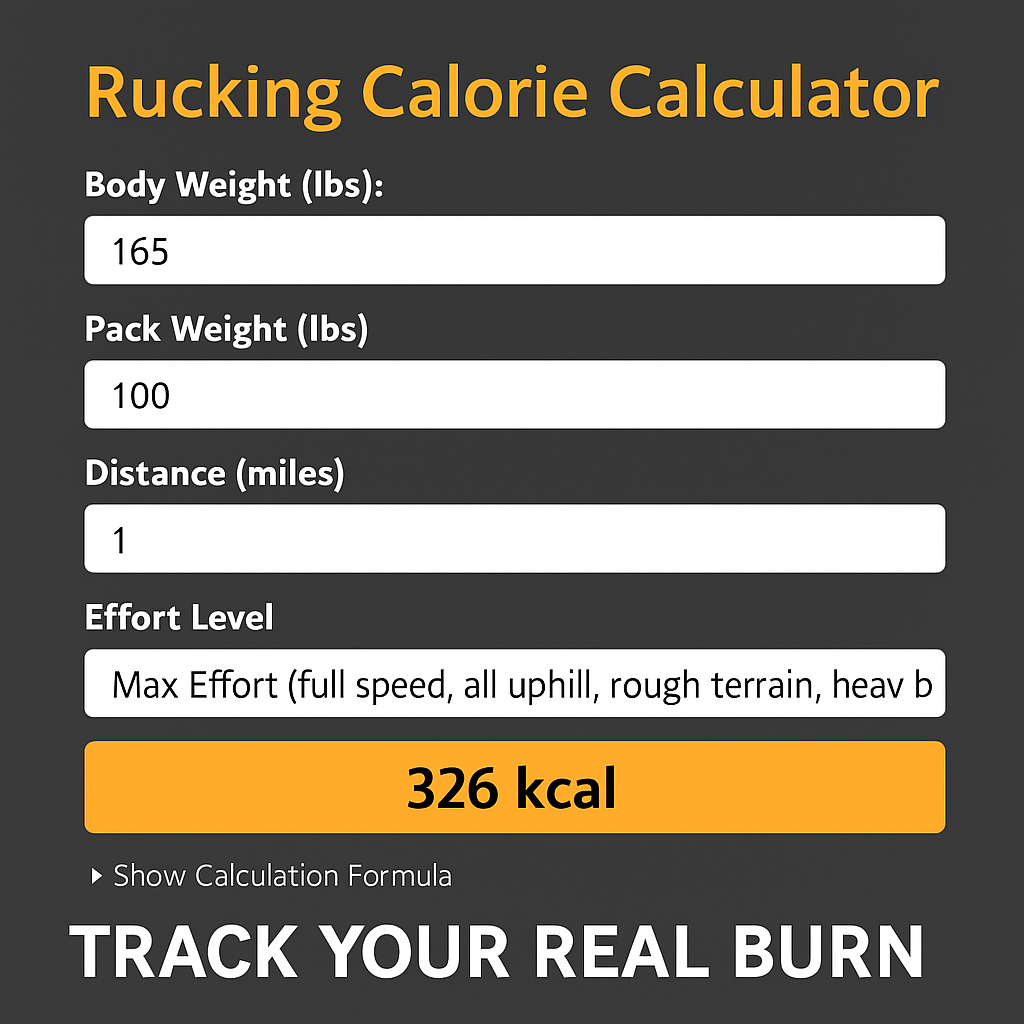
Want an accurate estimate of calorie burn for a weighted walk or ruck? Use the rucking calorie calculator to set goals and adjust load or distance over time:
Final coaching tips
- Track progress with consistent routes and times—change one variable at a time.
- Stay patient: weight vests compound intensity gradually; minor increases add up quickly.
- Hydrate, sleep, and maintain protein across the day to recover from loaded work.
Weighted vests are a simple, durable tool. Use sensible progression and you’ll see steady improvements in conditioning and body composition—just like I did during my 90 lb transformation using rucking, weighted-vest training, and disciplined nutrition.