Why a female weighted vest works
Adding a female weighted vest to walks, rucks, and bodyweight training is one of the simplest ways to increase intensity without changing movement patterns. A well-fitting vest shifts additional load onto your torso, engages core and posterior chain muscles, and raises calorie burn while keeping joints safe—especially useful for runners or walkers coming back from injury.
Key fit and sizing points
For women, fit is more important than raw capacity. Look for a vest that sits high on the chest, stays centered over your spine, and doesn’t ride up when you move. Avoid vests that put pressure on the sternum or restrict breathing. If you plan to use the vest for long walks or rucking, choose a design with breathable panels and adjustable straps.
- Start light: begin at 5–10% of bodyweight and progress slowly.
- Check mobility: shoulder and neck comfort is a priority for daily wear.
- Balance: plates or sand pockets should be distributed evenly to avoid compensations.
Beginner progression and a sample four-week plan
Progression matters more than ego. For many women starting a weighted-vest program, consistency for four weeks yields better results than overloading immediately.
Sample 4-week progression
- Week 1: 10–20 minute walks 3× per week with a 5–10 lb vest.
- Week 2: increase to 20–30 minutes and add one bodyweight circuit (squats, push-ups, plank).
- Week 3: 30–45 minute walks or easy rucks; add lunges and step-ups with the vest once per week.
- Week 4: add a longer ruck (45–60 minutes) or increase vest weight by 5 lb if movement quality is unchanged.
Choosing a vest: recommended options for women
For comfort and daily wear, I typically recommend beginner-friendly vests that offer good adjustability and a low profile.

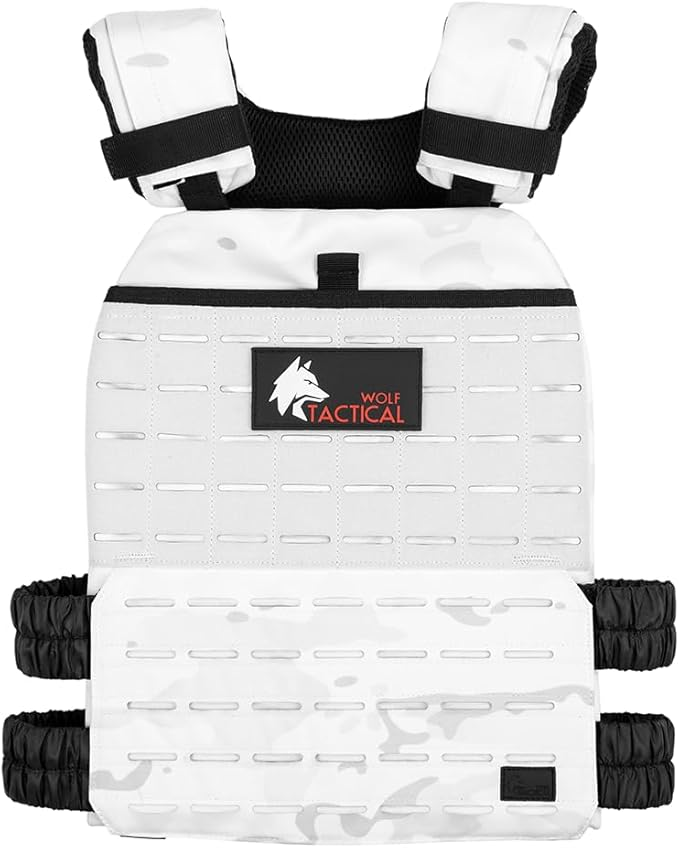
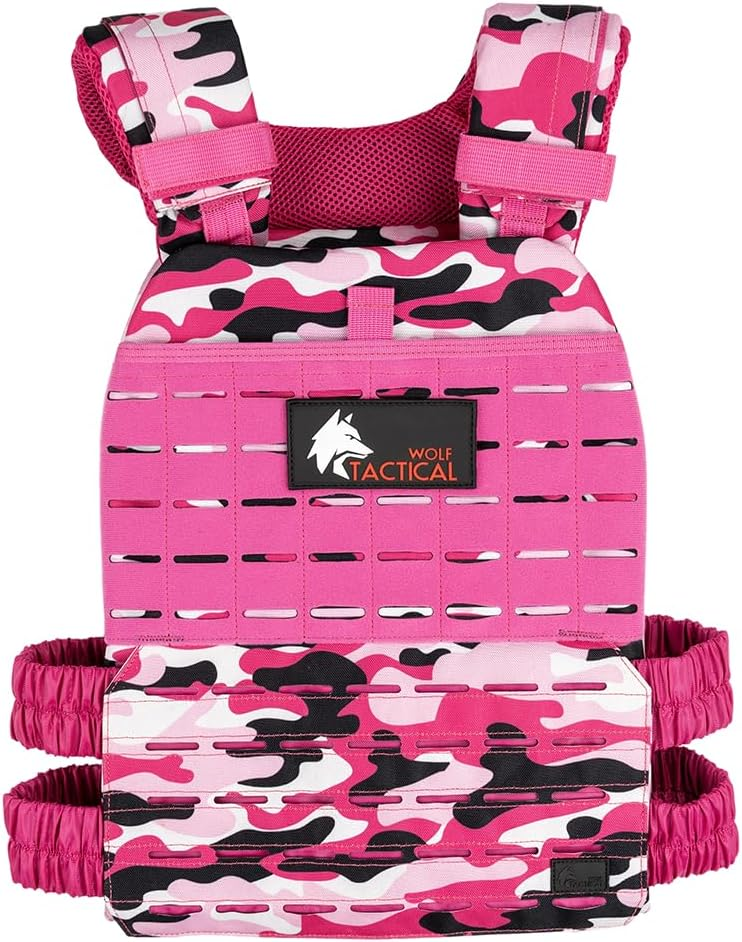
You can view the WOLF TACTICAL Simple Weighted Vest for a beginner-friendly, adjustable fit that works well under jackets or tees.

The BAGAIL Adjustable Weighted Vest is a good choice for very low starting loads and casual rucking while you adapt.
Safety and common mistakes
Common errors include adding too much weight too soon, letting posture collapse under load, and using a vest that shifts during activity. If your knees or back begin to ache, reduce load and focus on technique—shorten strides, engage the core, and keep shoulders back.
Quick checklist
- Warm up for 5–10 minutes before loading up.
- Track progression, not pain—add weight in 2.5–5 lb increments.
- Prioritize breathing: if the vest inhibits comfortable breathing, size or style is wrong.
Estimate your calorie burn
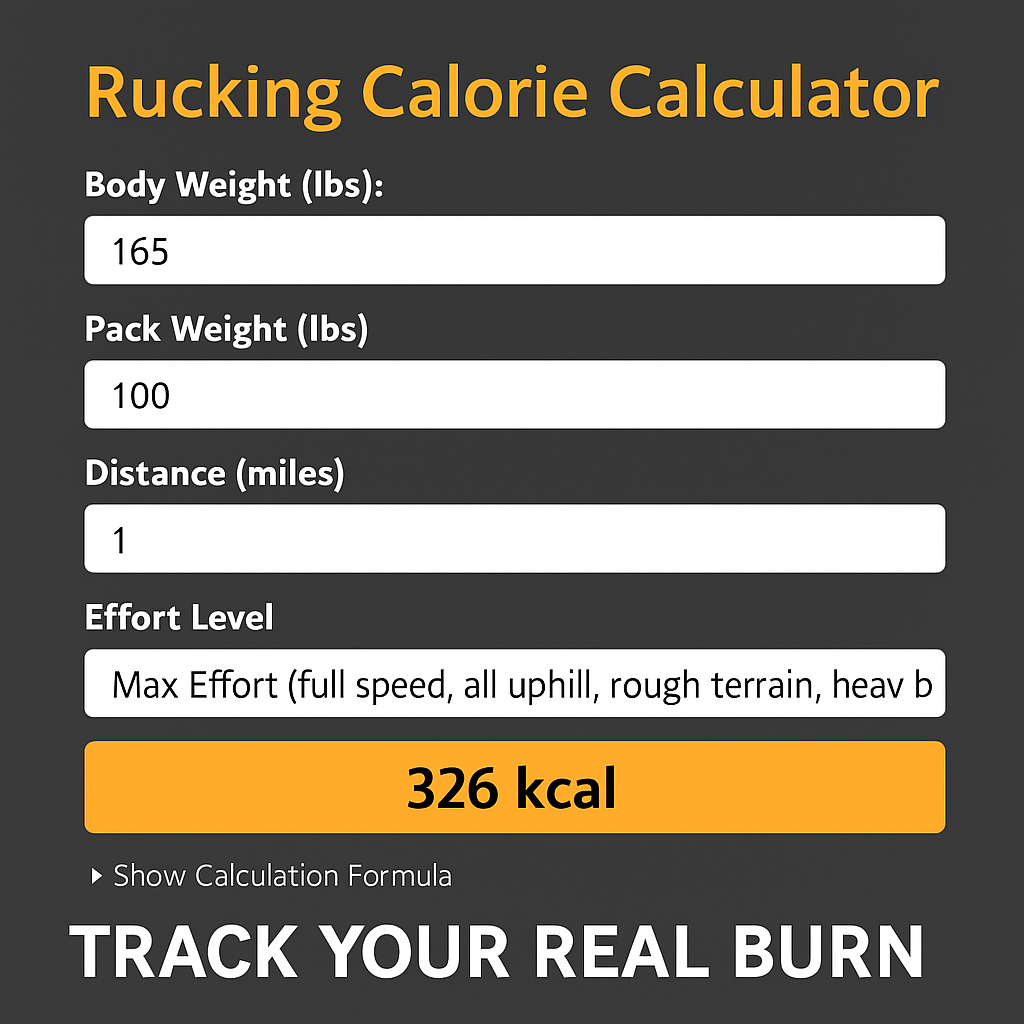
To estimate how many calories you’ll burn using a female weighted vest on a walk or ruck, try the Rucking Calorie Calculator below. It’s tuned for load-carrying and will give practical targets for weekly sessions.

Start light, be consistent, and treat the vest as a training tool—not a shortcut. When fit and progression are prioritized, a female weighted vest is a durable, low-tech way to increase strength, stamina, and fat loss without complicated programming.