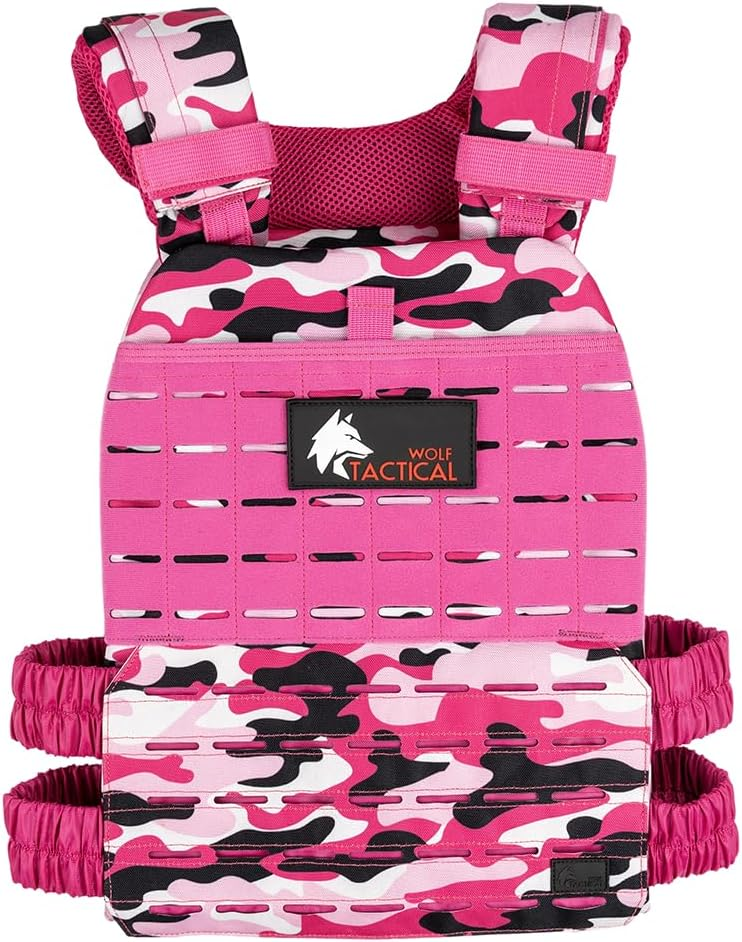
Why a full body weight suit matters for strength and conditioning
A full body weight suit (sometimes called a weighted suit) distributes load across shoulders, chest, and hips to add resistance to bodyweight movements and walking. Unlike a plate carrier or traditional vest, a well-designed suit stays close to the torso and lets you move freely through pull-ups, push-ups, squats and sprint drills while increasing intensity without changing technique.
Who should consider a full body weight suit
- Calisthenics athletes progressing beyond bodyweight.
- Outdoor trainers who want scalable resistance for hikes and trail runs.
- Anyone looking to increase workload without awkward plates or shifting ballast.
Key fit and safety considerations
A proper fit is more than comfort — it preserves movement patterns and reduces joint stress. When shopping for a suit, prioritize:
- Secure, low-profile weight pockets that don’t ride up during reps.
- Adjustability across torso length and shoulder straps.
- Materials that breathe and don’t chafe when wet.
Start light. If you’re new to weighted suits, add 5–10% of your bodyweight in small increments and test technique across basic movements before increasing load.
Training progressions with a full body weight suit
The suit is a tool, not a shortcut. Use it to overload movements while keeping tempo and joint alignment consistent.
- Beginner: bodyweight sets with short rest, then add 2–5 lb plates in the suit for the last set.
- Intermediate: add 5–15% bodyweight for 3–5 rep strength sets (pull-ups, dips, pistol squats).
- Advanced: timed circuits, weighted sprints, or loaded hiking for conditioning.
Pair weighted-suit sessions with dedicated mobility days and lower-intensity aerobic work to keep tissue healthy.
Sample workout (intermediate)
- Warm-up: 10 minutes dynamic mobility.
- Pull-ups (weighted suit): 5 sets of 3–6 reps.
- Pistol progressions (weighted suit): 4 sets of 5 per leg.
- Loaded farmer carry or 400m weighted sprint x 4.
- Cooldown: soft tissue work and 10 minutes low-intensity walking.
Equipment recommendations
If your focus is heavy calisthenics and reliable loading, consider a heavy-duty designer built for plates and high-repeat use. For high-load calisthenics, the Kensui EZ-VEST® MAX V2 is designed to hold very large loads safely while allowing full range of motion.

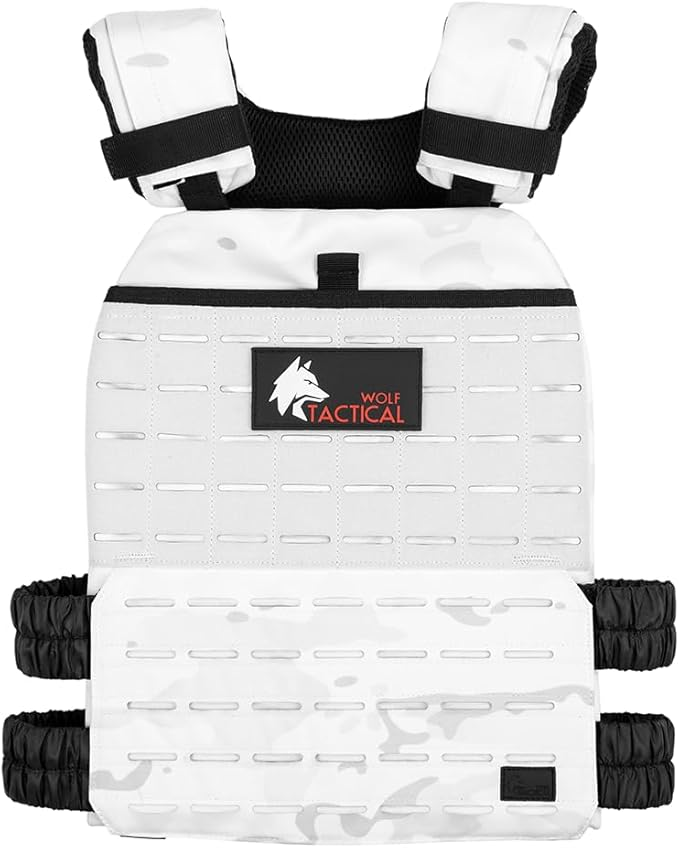
For a user-friendly, lower-profile option that works for beginners and long sessions, the WOLF TACTICAL Simple Weighted Vest balances comfort and modular weight systems for interval and endurance work.

Track workload and calories
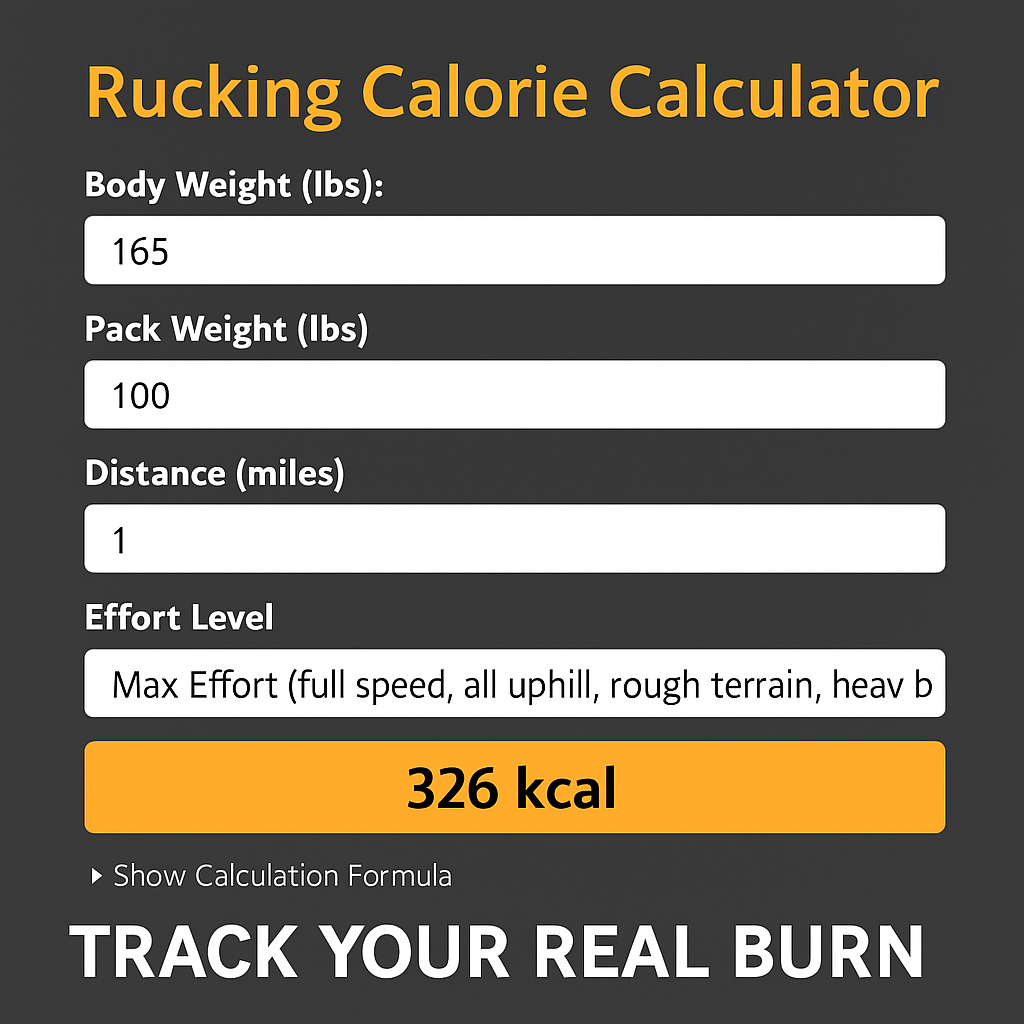
When you add a suit, training load and calorie cost change. Use the rucking calorie calculator below to estimate energy expenditure for weighted walks and loaded sessions. It’s a practical baseline for planning recovery and nutrition.

Tips for steady results
- Prioritize movement quality over load increases.
- Add no more than 5–10% extra load every 2–4 weeks, depending on recovery.
- Rotate heavy suit sessions with lower-load strength or aerobic days to avoid overuse.
Full body weight suits are a versatile tool when used with a plan: progressive overload, sensible recovery, and steady tracking of training stress will deliver consistent strength and conditioning gains outdoors and in the gym.