Go Ruck Weight Vest: Overview
Using a weighted vest with a GORUCK-style ruck is a practical way to increase training density, build strength, and burn more calories without drastically changing your route or schedule. This guide explains safe load placement, progression, and when to favor a vest versus adding weight to your ruck.
Why combine a weight vest with a ruck?
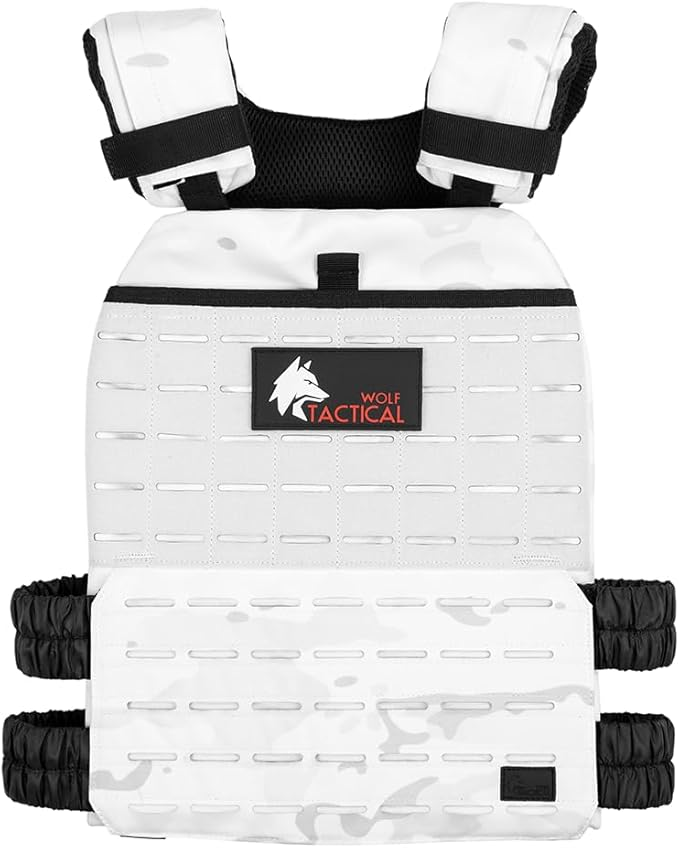
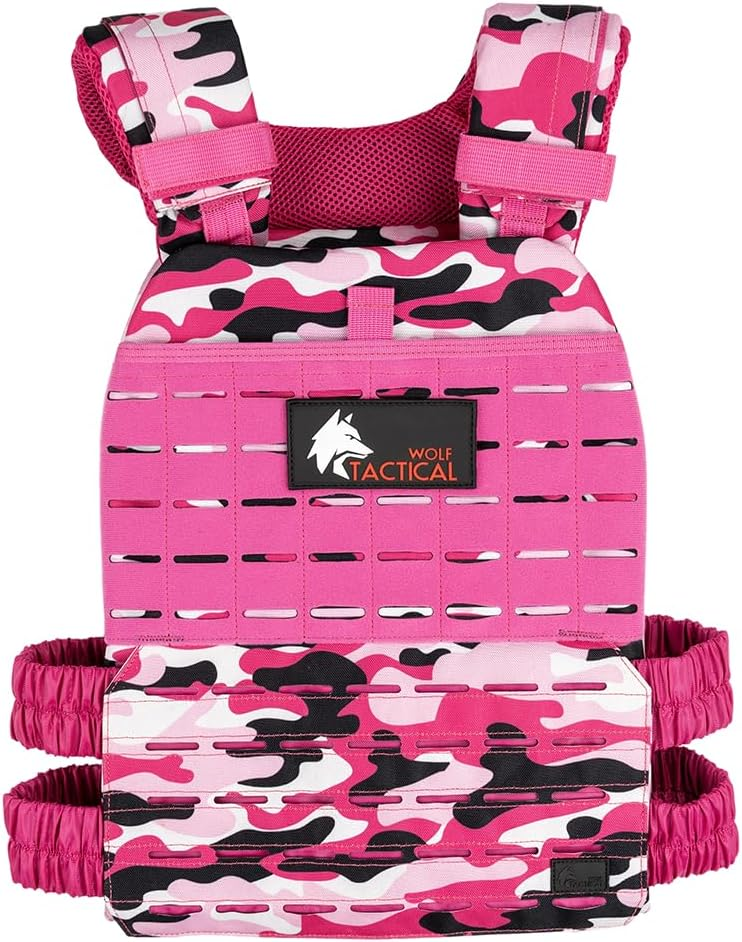
A weight vest centers load close to your torso, improving balance and preserving shoulder health compared with sloppy pack loading. When you pair a quality ruck like the GORUCK Rucker 4.0 20L with a modest vest, you get the durability and carry system of a ruck plus the even distribution of a vest for dynamic movement and short, intense rucks.

Fit and load placement
Start with a vest that fits snugly and doesn’t shift. For longer rucks or mixed hydration needs, pair a ruck with a hydration system rather than overloading the vest. If you mention backpacks, a dedicated hydration rucksack like the CamelBak Motherlode 100oz Mil Spec Crux Hydration Backpack can be used as your primary load-carrying gear while the vest adds supplemental weight.

Progression and programming
Use the following progression model to stay injury-free and make steady gains:
- Week 1–2: Bodyweight or 5–10% bodyweight in a vest for short 20–40 minute walks.
- Week 3–6: Increase to 10–15% bodyweight, extend ruck time to 60–90 minutes at a conversational pace.
- Advanced: Mix heavy short hikes (20–40 minutes) in your vest with longer light-loading sessions in the ruck.
Practical tips
- Keep the bulk of heavy plates in the ruck if you plan long distances—vests are best for dynamic movement and interval work.
- Maintain cadence and posture: vest weight shifts the center of mass; shorter steps and upright posture reduce knee strain.
- Hydration matters on every session—use a hydration pack or bottle, and consider electrolyte support for longer efforts.
Calories and planning
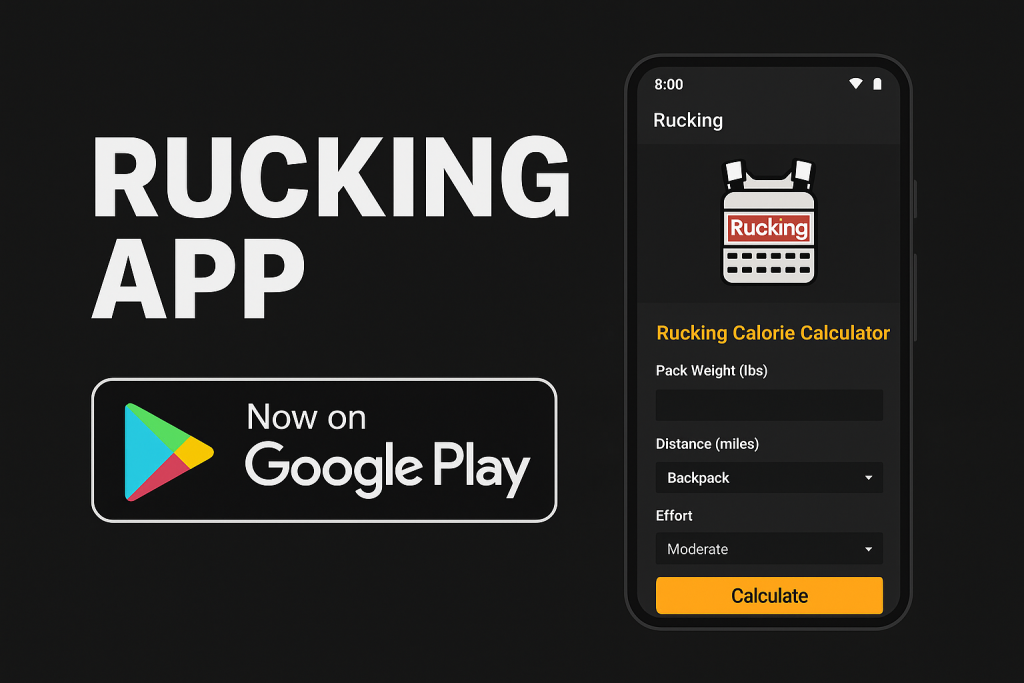
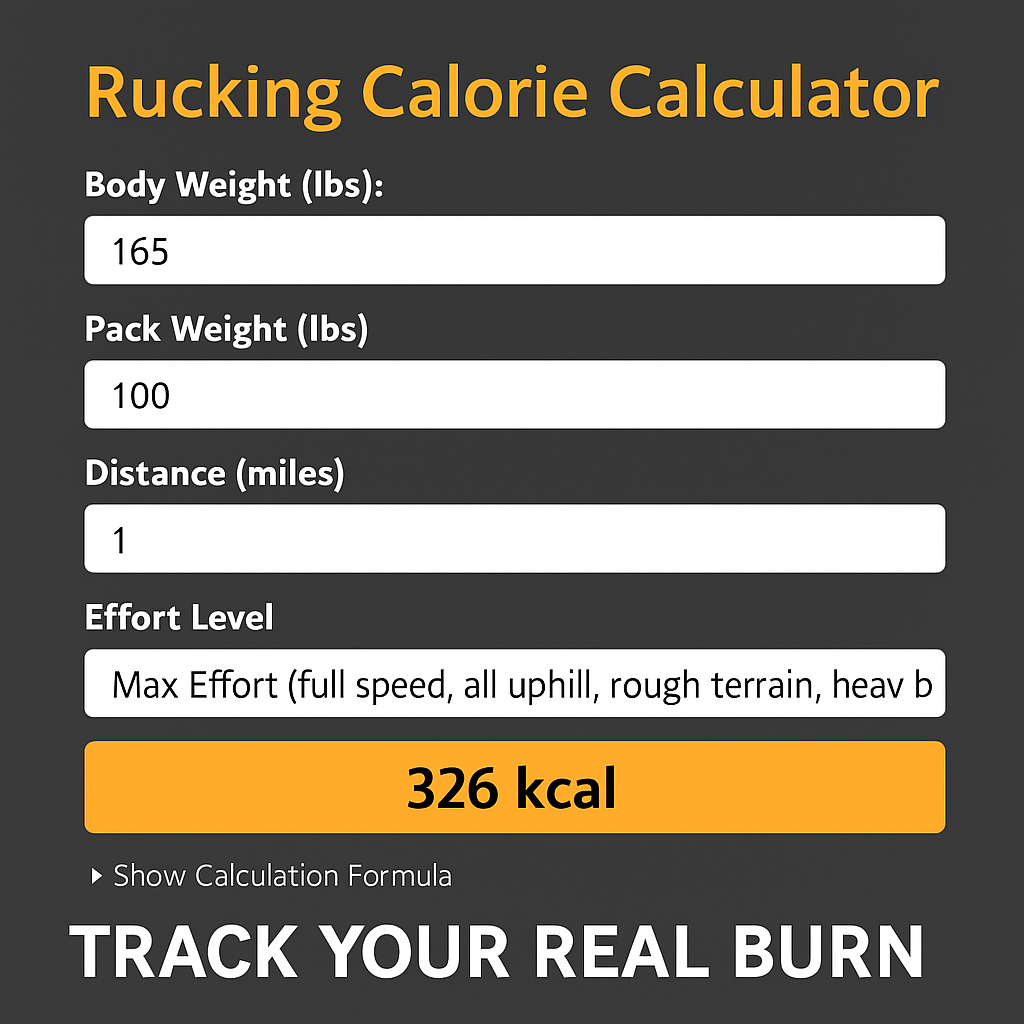
Rucking with a vest changes your calorie burn. For an accurate estimate for your bodyweight, pace, and load, use the rucking calorie calculator linked below. It helps you plan sessions for fat loss, maintenance, or performance goals.

When to choose a vest vs. a ruck
- Favor a vest for interval hikes, hill repeats, or strength-focused walks where torso stability is critical.
- Favor a ruck for long-distance marches, heavy loads, and gear carriage—use the vest to add a controlled extra load for metabolic stress.
Combining a GORUCK-style pack with a quality weighted vest lets you tailor each session. Start conservatively, log your sessions, and use the calorie calculator above to keep progress measurable. This method is durable, low-tech, and consistently effective for fat loss and functional strength when programmed responsibly.