What a gravity vest is and why it matters
A gravity vest is a simple concept: add mass close to your torso so every step and movement demands more work. For rucking and outdoor strength work a gravity-style weighted vest changes how your body recruits muscles, increases energy expenditure, and improves posture under load. This post lays out safe programming, fit tips, and real-calorie context so you can use a gravity vest as a reliable tool for fat loss and performance.
How a gravity vest changes the workout
Wearing a gravity vest shifts load to your center of mass and forces compound systems to work together: hips, core, and upper back. Compared to hand weights or backpacks, a well-fitting gravity vest reduces swing and concentrates load vertically — that means cleaner gait mechanics during walks and better stability for strength circuits.
Practical setup and fit
- Start light: beginner protocols begin at 5–10% bodyweight. Add 2–5 lb per week depending on recovery.
- Fit matters: the vest should sit high on the chest and low on the back so it doesn’t bottom out when you walk or run.
- Layering: use breathable shirts to avoid chafing and shift plates into the center pockets to minimize bounce.
Sample progression for a beginner rucker
Weeks 1–2: 20–30 minute walks, 3x per week, vest at 5–10% bodyweight. Focus on cadence and posture. Weeks 3–6: increase vest load 5–10 lb and one walk to 45–60 minutes. Add one strength circuit (push-ups, rows, goblet squats) without additional weight.
Programming tips
- Prioritize slow, steady increases in load and duration to avoid joint overstress.
- Track RPE and rest—if you can’t maintain good form, drop load or distance.
- Combine with nutrition and sleep for predictable body-composition changes.
Calorie context: know the numbers
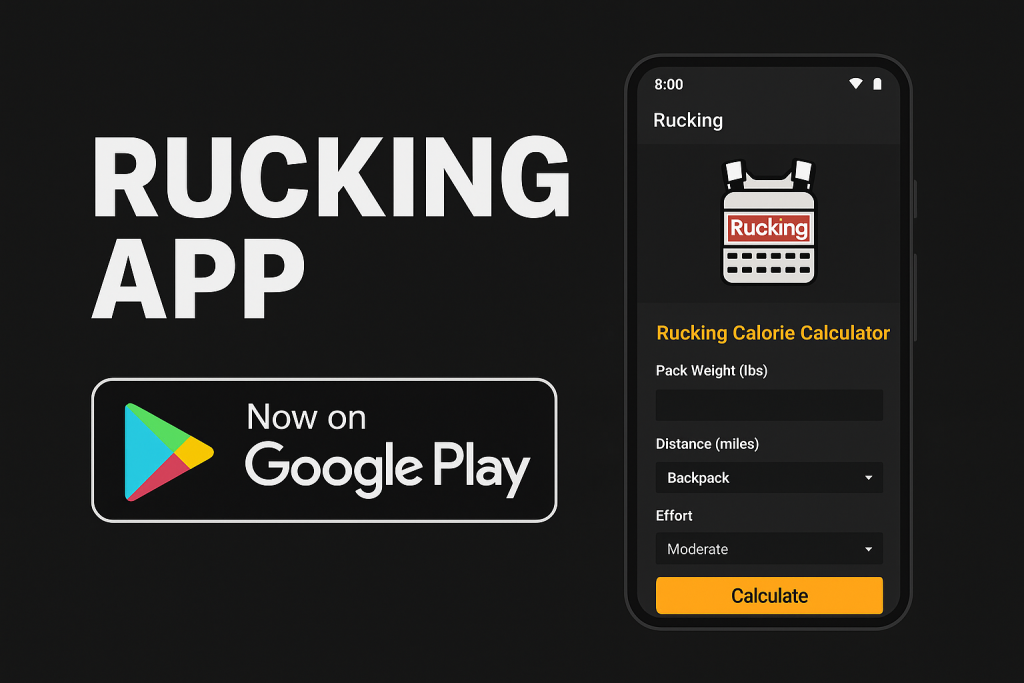
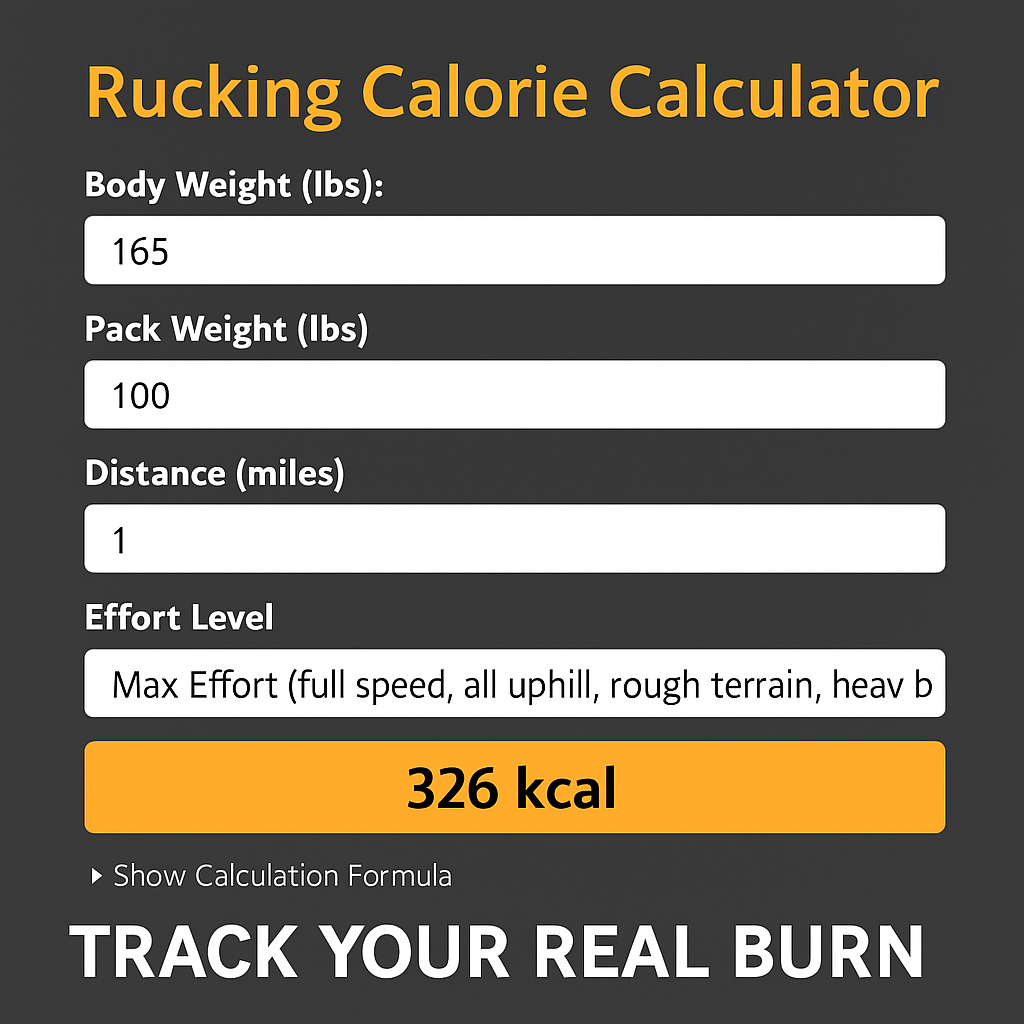
Exact calorie burn depends on bodyweight, pace, terrain, and vest mass. Use the rucking calorie calculator to estimate your session burn accurately. I recommend plugging your details into the calculator so you can plan weekly energy balance and progress realistically.
Use the Rucking Calorie Calculator

Equipment I trust
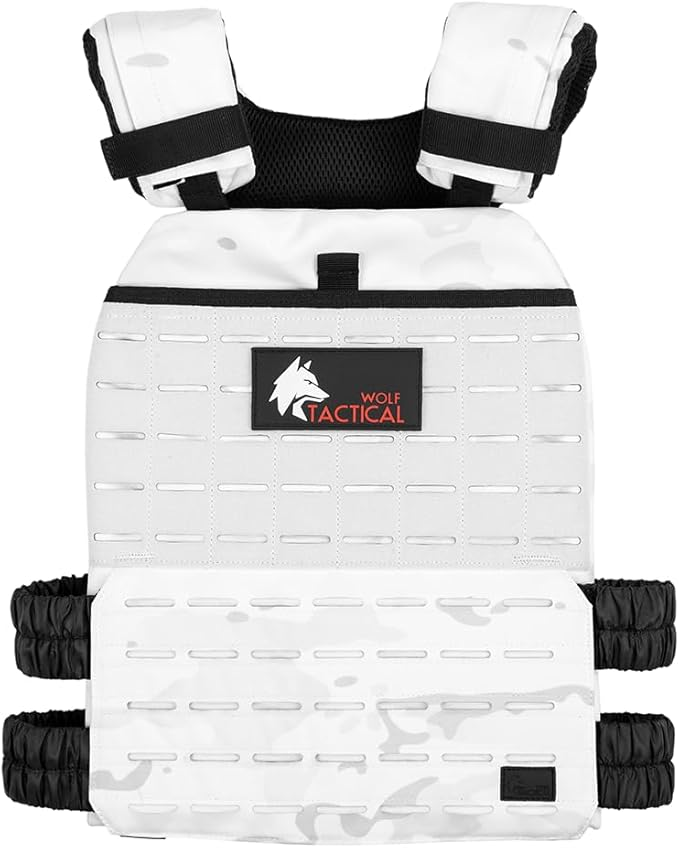
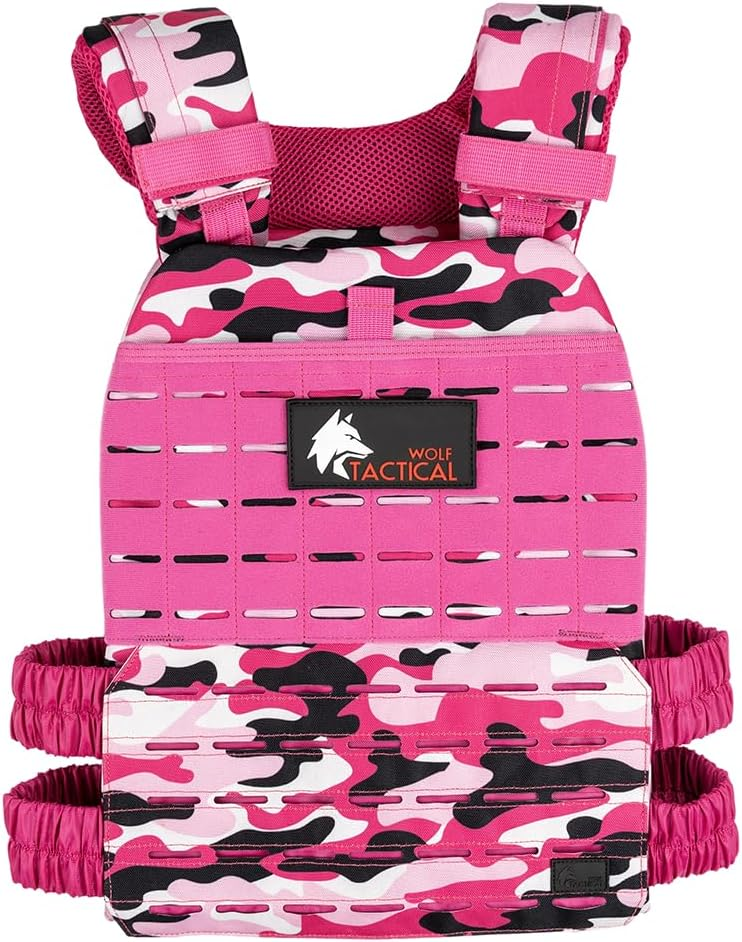
For starter gravity-vest work I favor comfortable, low-bounce options. The Wolf Tactical Simple Weighted Vest is a reliable choice for walks and daily wear because it balances comfort and price. For heavier strength-focused loading consider the Kensui EZ-VEST® MAX V2 for high-capacity plates.

Inline product link: Wolf Tactical Simple Weighted Vest.

Quick safety checklist
- Check mobility before loading—tight hips or a weak midback mean temper the weight.
- Keep load balanced and avoid quick, jerky movements with heavy plates.
- Use the calculator to avoid overshooting daily calorie targets during aggressive phases.
Note: I lost 90 lb through consistent weighted-vest training, rucking, and disciplined nutrition. A gravity-style vest was one of the most reliable tools I used to keep calories high while staying active. Start conservative, build habit and load, and the vest becomes a sustainable tool for long-term results.