Why a gravity weighted vest works for outdoor training
A gravity weighted vest adds constant external load to bodyweight movement and walking. For rucking, trail conditioning, and progressive overload in outdoor settings, a gravity-based vest (where weight sits low and close to your center of mass) stabilizes your movement and reduces strain while increasing calorie burn. This guide covers fit, how to build sessions, and how to estimate calories without guesswork.
Fit and comfort: the first priority
Comfort matters more outdoors than in a gym. A poorly fitted vest creates hotspots, shifts weight, and causes inefficient gait. When shopping for a gravity weighted vest prioritize:
- Low-profile plates or distributed sand pockets so load sits close to the torso.
- Adjustable straps across chest and shoulders to prevent bounce.
- Breathable materials and a fit that allows natural arm swing.
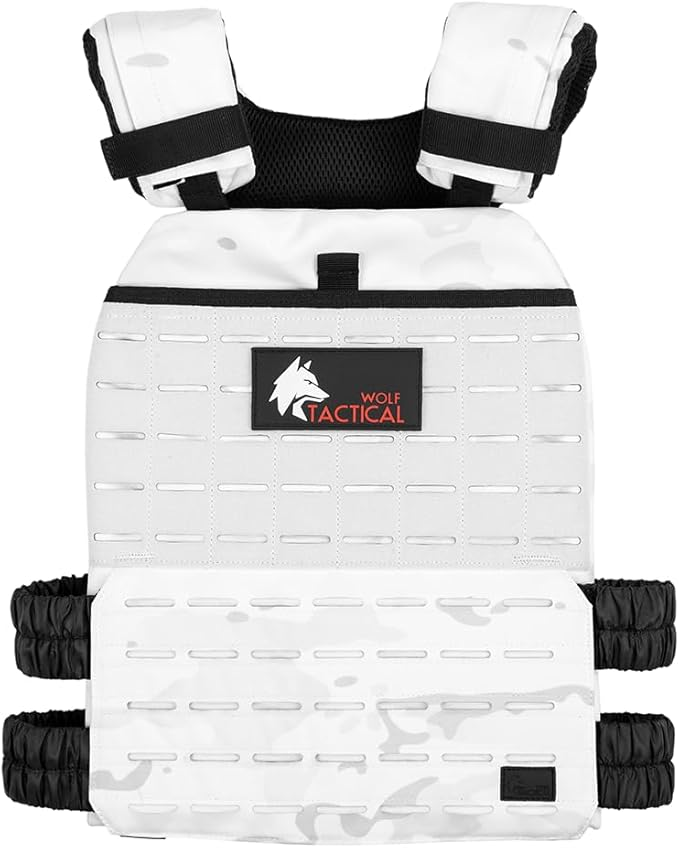
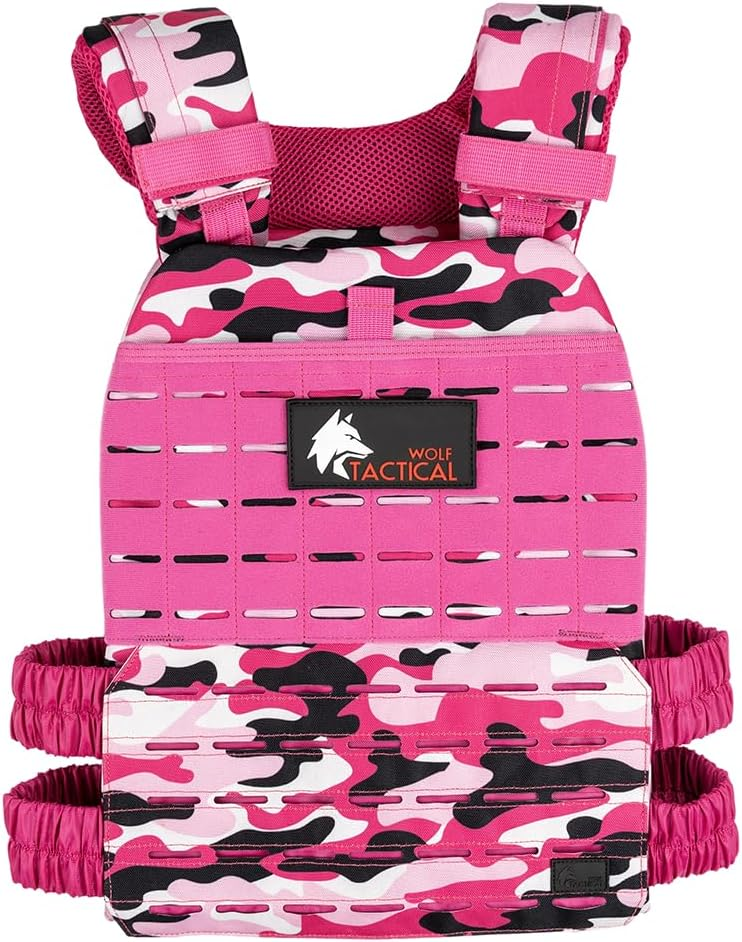
For most people starting rucks or weighted walks I recommend the Wolf Tactical Simple Weighted Vest or similar models designed for walking and long-duration wear. The vest below is a practical, beginner-friendly option:
Wolf Tactical Simple Weighted Vest (Men/Women) is easy to adjust and stays secure on longer outdoor walks.

Session structure: start slow and build load
Begin with short, controlled sessions to adapt posture and breathing. A simple 20–40 minute weighted walk 2–3 times per week is enough to drive early adaptations. Progress by adding weight or time by about 5–10% per week. Focus on cadence and posture: chest up, slight forward lean, and shorter, quicker steps when load increases.
- Weeks 1–2: 10–20 minutes with light load (5–10% bodyweight).
- Weeks 3–6: Increase to 30–45 minutes, raise load slowly.
- Strength days: use the vest for 2–3 compound movements like split squats and push-ups.
Estimate calorie burn accurately
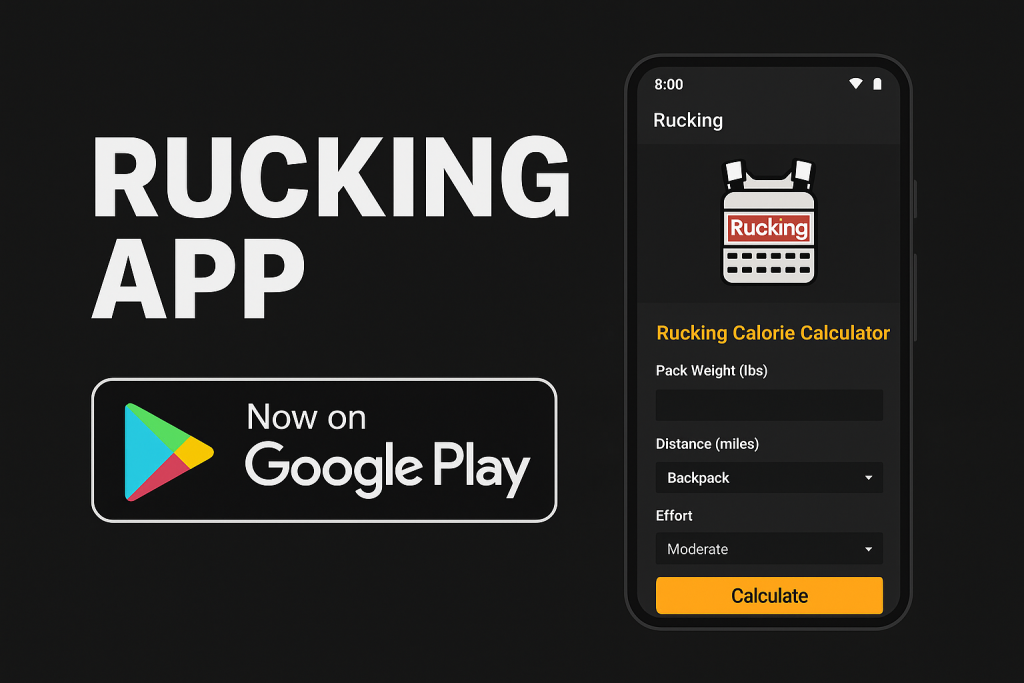
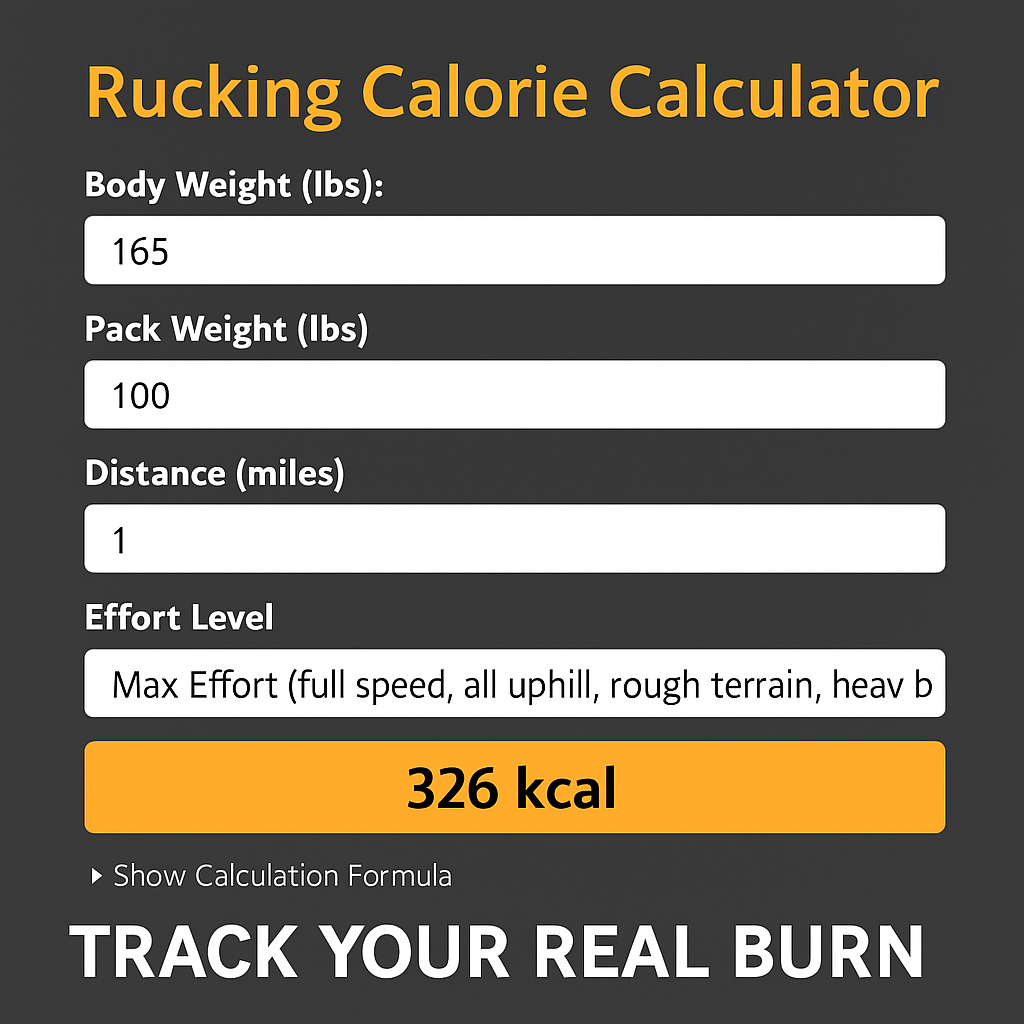
Calories depend on bodyweight, pace, terrain, and vest load. Rather than guess, use the rucking calorie calculator to get a practical estimate tailored to ruck-style walking with a gravity weighted vest. Click the image to test inputs and see a per-hour burn estimate for your exact load and pace.

That calculator helps you plan frequency and caloric targets so weighted-vest sessions complement your nutrition and recovery.
Hydration and gear for longer rucks
When you move beyond 45–60 minutes carry hydration and modular storage. For an integrated hydration solution that pairs well with weighted vests and gravity-style load, consider a hydration pack. A solid choice for long walks and mixed terrain is the CamelBak Motherlode Tactical Hydration Backpack.
CamelBak Motherlode 100oz Mil Spec Crux Hydration Backpack blends hydration and carry space for longer sessions and can be combined with a gravity vest for balanced load management.

Final checklist
- Check fit and eliminate bounce before long sessions.
- Progress load/time slowly and keep sessions consistent.
- Use the rucking calorie calculator to match energy needs and recovery.
Weighted vests that concentrate weight close to your center of mass—gravity-style setups—are among the best tools for adding consistent, outdoor-friendly overload. They’re simple, durable, and if used progressively, extremely effective.
— Preston Shamblen, ISSA-certified trainer (I lost 90 lbs through consistent rucking, weighted-vest training, and disciplined nutrition; I still recommend vests as one of the most reliable ways to maintain lower body weight and burn fat consistently.)