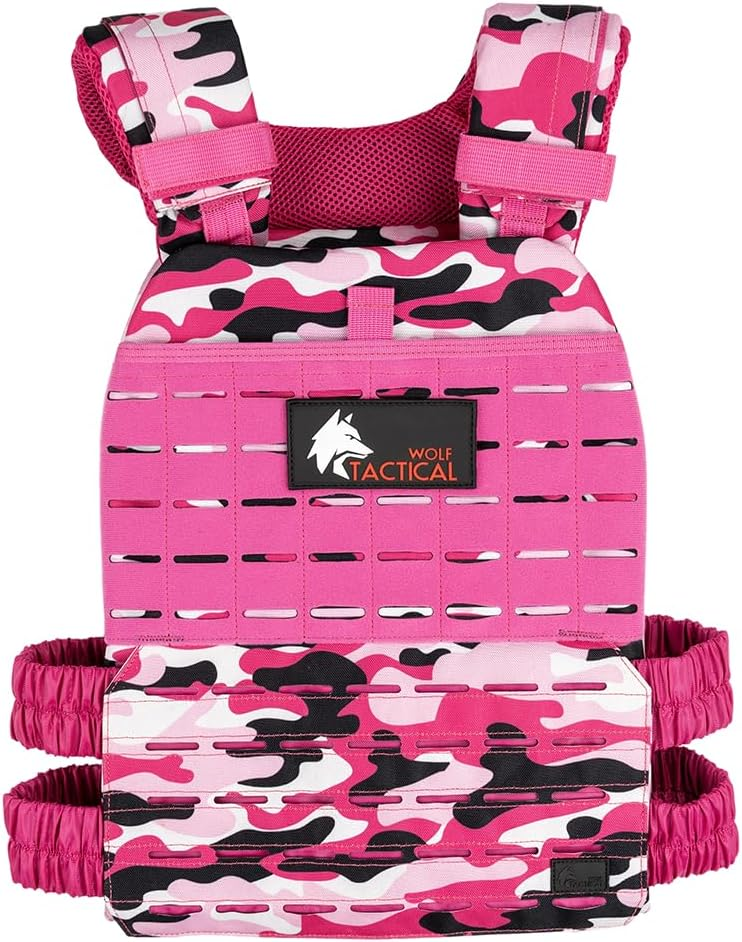
Why a gym training vest works
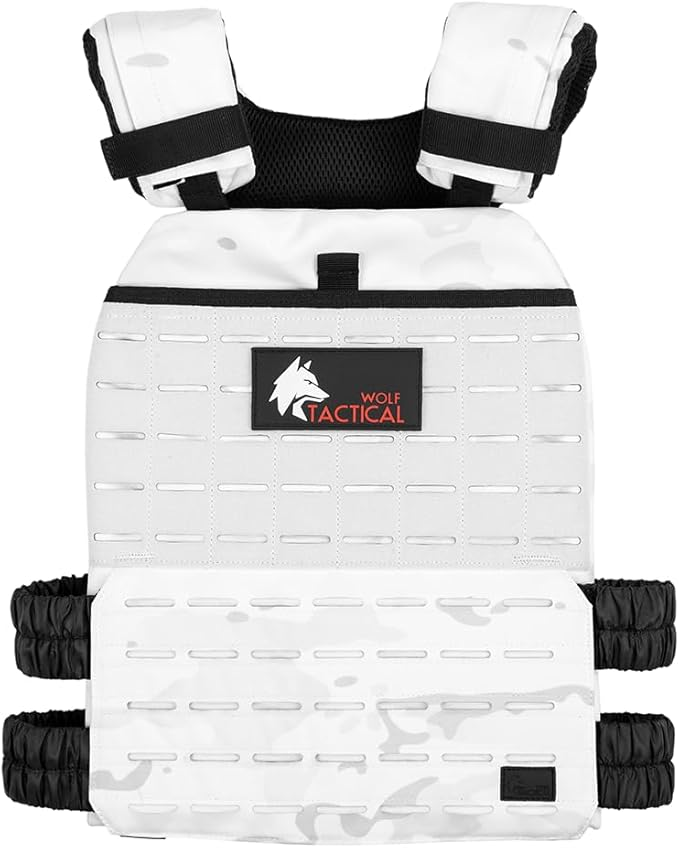
Using a gym training vest is one of the simplest ways to add progressive overload to bodyweight movements and conditioning work. A properly fitted vest keeps weight close to your center of mass, preserves natural movement patterns, and lets you train heavier without changing exercise mechanics dramatically. In a gym environment that means safer weighted pull-ups, dips, pistol squat progressions, and loaded circuits.
Who benefits most
If you regularly train calisthenics, cross-train for sports, or use rucking-style loaded carries as conditioning, a gym training vest gives dependable, incremental loading. Beginners should start light and prioritize form; intermediates and advanced trainees can use heavier, modular plates or commercial max-load vests for high-intensity sets and density work.
Programming basics for a gym training vest
Treat the vest like any implement: plan progressive loading, monitor recovery, and emphasize movement quality.
- Start with volume, then load: add reps with bodyweight first, then add vest weight once reps are satisfactory.
- Small increments: move in 2.5–5 lb jumps when possible. Many plate systems allow this for fine tuning.
- Use it for specificity: wear the vest for the movement you want to improve — weighted pull-ups for back strength, vest squats for explosive leg work, or weighted push-up variations for upper-body pressing capacity.
- Conditioning sessions: short circuits with a vest raise heart rate and caloric burn without dramatically changing movement patterns.
Sample session (intermediate)
3 rounds: 6 weighted pull-ups (vest), 10 Bulgarian split squats per leg (bodyweight or light vest), 12 push-ups (vest), 400m run or 2-minute bike. Rest 90–120 seconds between rounds. Adjust vest weight to keep the last rep difficult but clean.
Fit, comfort, and safety tips
Proper fit is essential. The vest should sit high on the torso, not ride up toward your neck. Balance the load front and back. When plates or sandbags shift, stop and re-seat them — small instabilities compound quickly during dynamic moves. If you feel lower-back rounding or shoulder pain, reduce the load and revisit technique.
Recommended gym training vest gear
For heavy strength-based loading consider the Kensui EZ-VEST® MAX V2, a scalable system built for hundreds of pounds and hard use. If you prefer a trainer-friendly, low-profile option for gym circuits, the 5.11 TacTec Trainer Weight Vest is versatile and comfortable for high-rep work.


Track calorie burn and adjust load
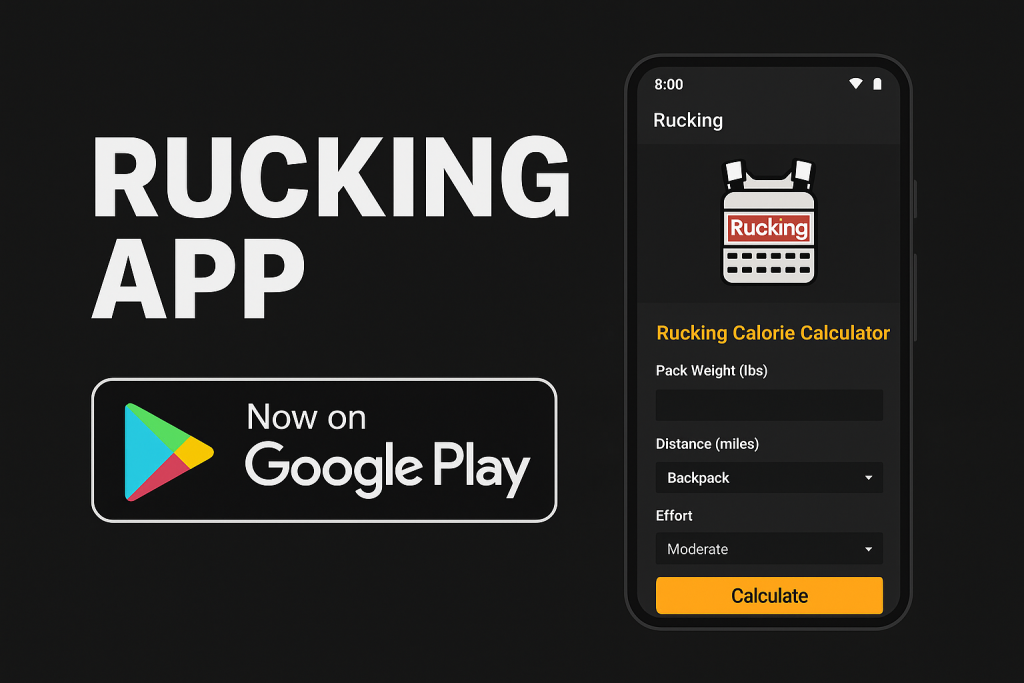
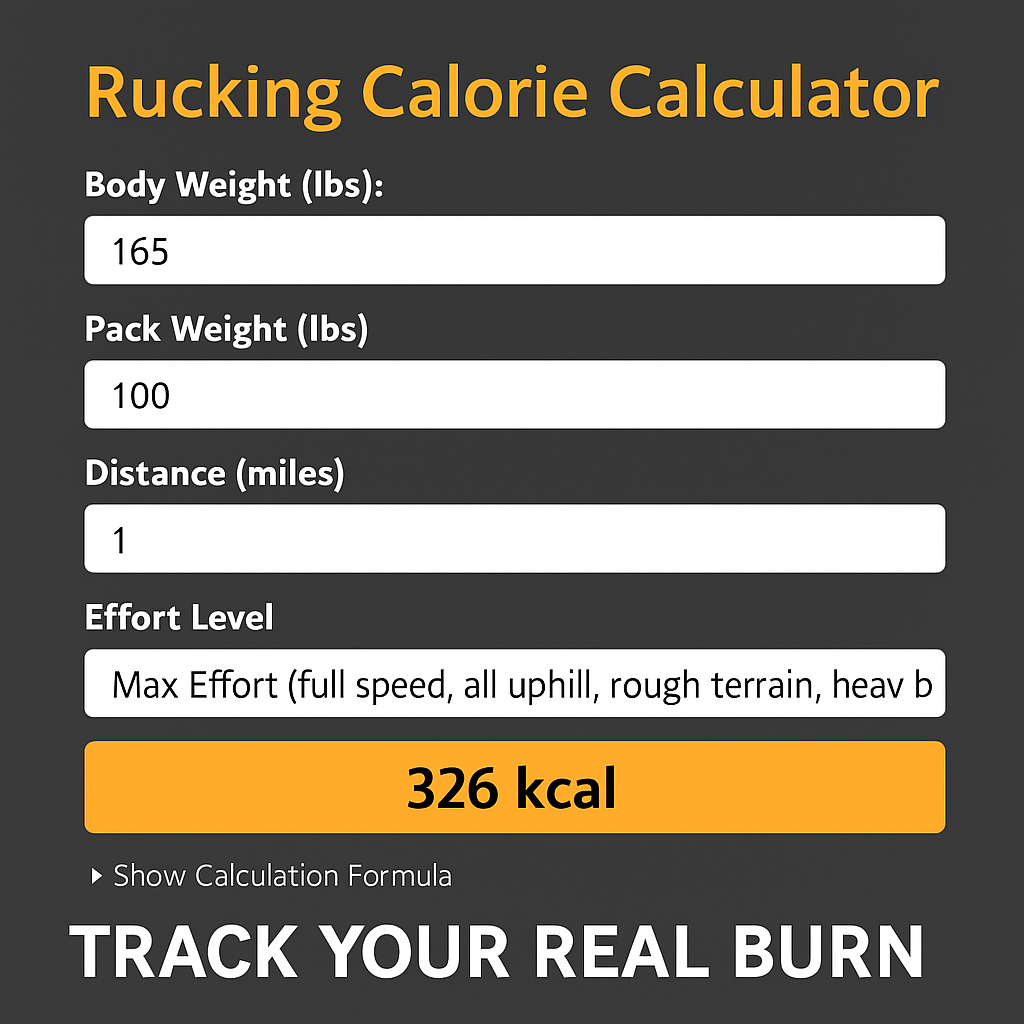
Weighted vest work increases energy expenditure relative to bodyweight training. If you want a quick estimate of how many calories your session burned, use the rucking calorie calculator below — it works well for vest or backpack-loaded sessions because it factors load and pace.

Final practical notes
Use a gym training vest for targeted overload and efficient conditioning. Prioritize movement quality, progress gradually, and pick a vest that suits your training goals: heavy, plate-based systems for max strength, or low-profile trainer vests for circuits. Track your sessions and calories with the calculator above to ensure your training and nutrition stay aligned.