Mastering Your Heavy Vest Training
Incorporating a heavy vest into your workouts can amplify gains in strength, endurance, and calorie burn. Whether you’re stepping up your ruck game or looking to take bodyweight workouts to the next level, using a heavier vest is a proven way to push your body harder and adapt to new challenges. But moving up in weight means taking a strategic and safety-first approach.
Choosing the Right Heavy Vest
Not all weighted vests are created equal. For high-load training or calisthenics, the Kensui EZ-VEST® MAX V2 stands out as a top pick. It holds up to 300 lbs and adapts to different body types.

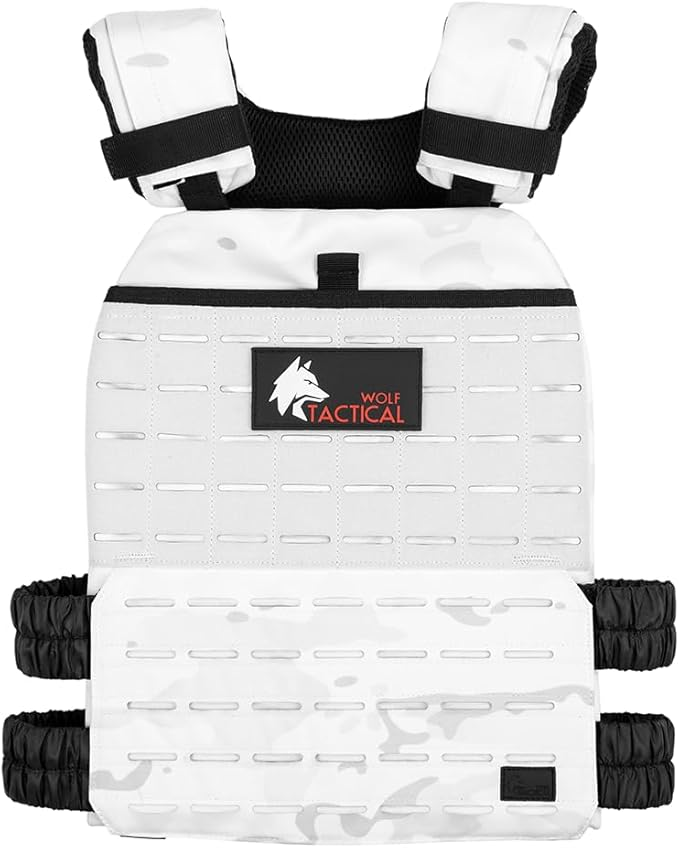
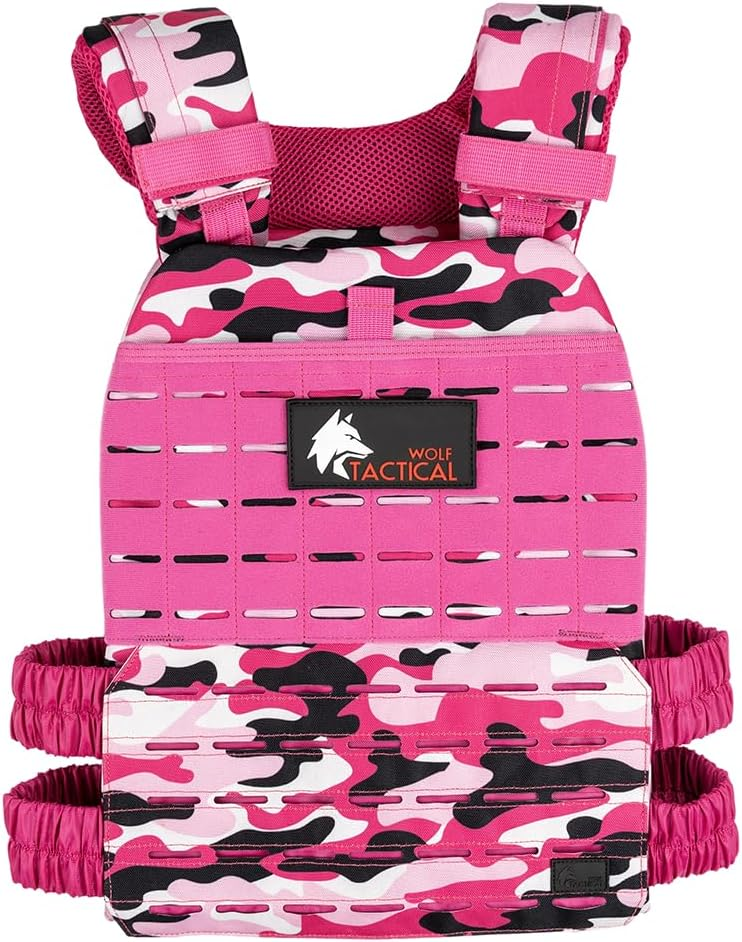
If you’re just starting or prefer a more streamlined design for walking or runs, consider the Wolf Tactical Adjustable Weighted Vest. It provides solid durability and a snug fit without restricting movement.

Training Guidelines with a Heavy Vest
- Start light, progress slow: Increase the vest weight gradually—5 to 10 lbs at a time.
- Monitor your posture: Stay mindful of form to prevent injury as your load increases.
- Mix up your movements: Include walking, step-ups, weighted lunges, pull-ups, pushups, and power walks to activate a variety of muscle groups.
- Prioritize recovery: Heavier weights create more muscle breakdown; add extra mobility, hydration, and nutrition post-workout.
Estimating Calories Burned with a Heavy Vest
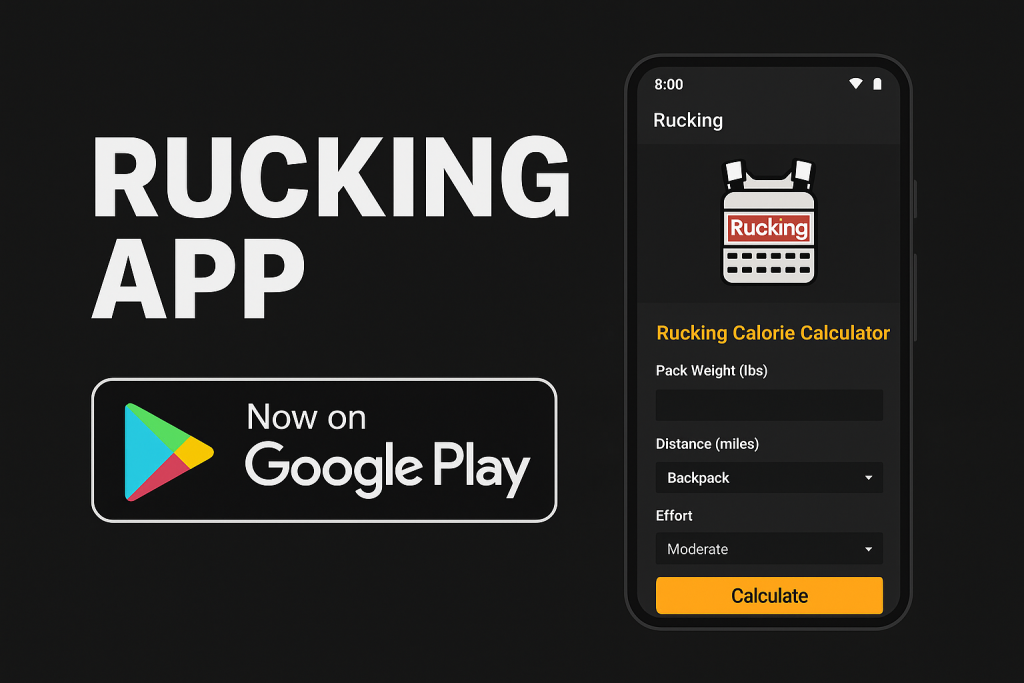
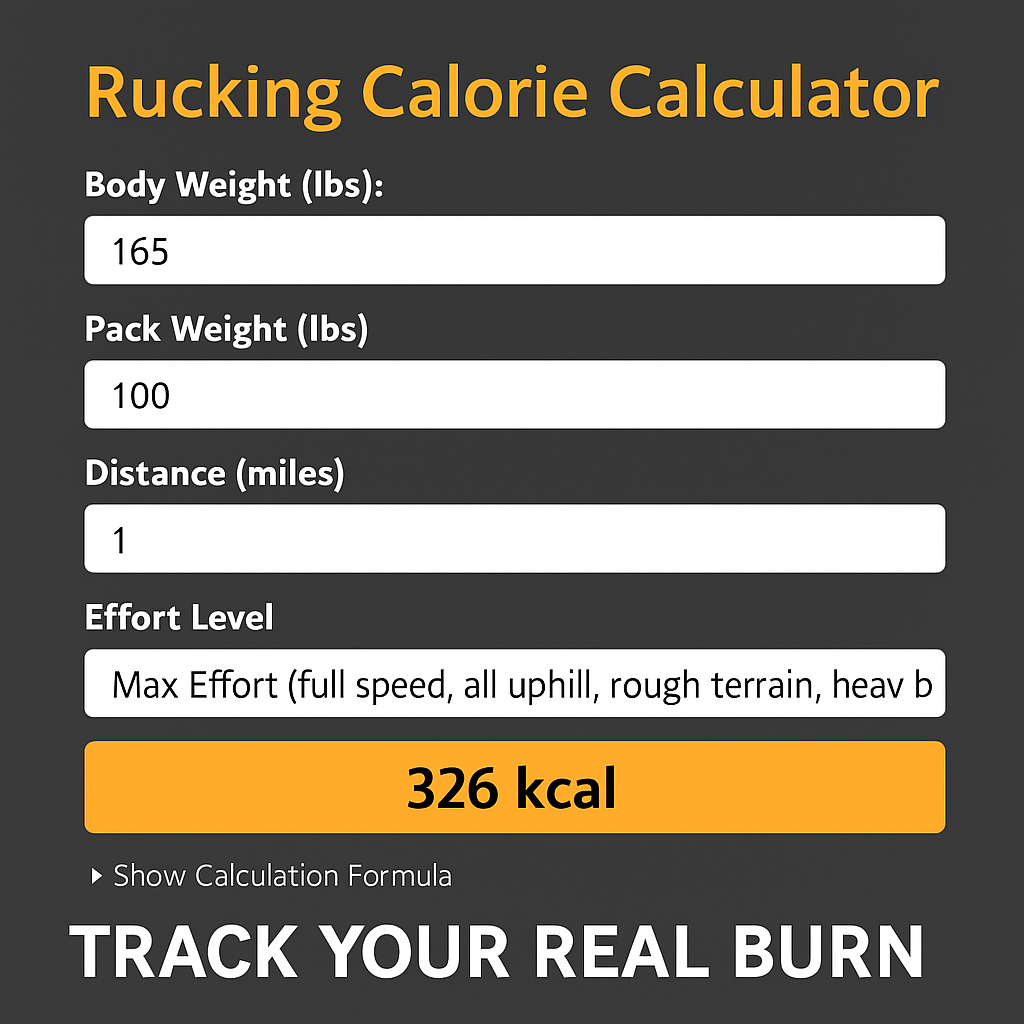
Wondering how many calories you’re really torching wearing a heavy vest on walks or rucks? Use our go-to Rucking Calorie Calculator—just plug in your weight, vest load, distance, and pace for an instant estimate.

See personalized calorie burn for any weight by trying the calculator for weighted vests.
Pro Tip
If you train outdoors, hydrate well—especially under heavy loads. During my own transformation, I ramped up my rucks from 20 to 60 lbs over months and always tracked calories burned (and recovery needs) using this exact calculator tool.