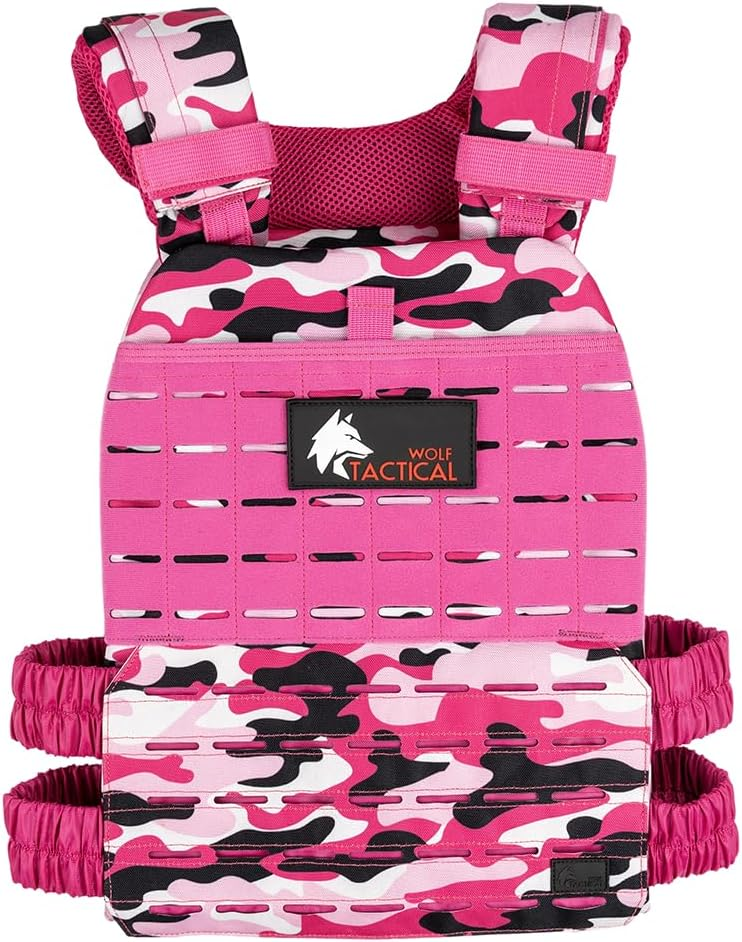
Why choose a heavy vest for training?
Using a heavy vest changes how your body receives load during movement. Unlike dumbbells or a barbell, a weighted vest distributes mass directly on your torso, forcing your legs, hips, and core to work simultaneously. For outdoor athletes, military trainees, and anyone looking to increase carry capacity and metabolic demand, a heavy vest is one of the most efficient tools you can add to a program.
Benefits of training with a heavy vest
- Higher calorie burn during walking, hiking, and interval work due to increased metabolic demand.
- Improved load carriage mechanics and posture compared with uneven handheld weights.
- Scalable intensity — add or remove plates to match progress and goals.
- Minimal equipment needed: you can do sprints, farmer carry variants, bodyweight circuits, and long rucks.
How to start safely with heavy vest work
Start light and progress slowly. A common mistake is slamming on a heavy load and assuming the body will adapt fast. Prioritize movement quality and recovery. Typical progression looks like this:
- 2–4 weeks of bodyweight conditioning and short walks without a vest.
- Introduce a light vest or plate load (5–10% of bodyweight) for short sessions: 10–20 minutes two to three times a week.
- Increase load by 5–10% every 2–4 weeks while keeping volume manageable.
Programming examples
For strength and conditioning you can alternate days:
- Day A — Short weighted hill sprints (6–8 x 30–60s with full recovery)
- Day B — Endurance ruck or long walk (45–90 minutes at conversational pace)
- Day C — Weighted circuits (push-ups, rows, step-ups) wearing the vest for added load during movements
Choosing the right heavy vest
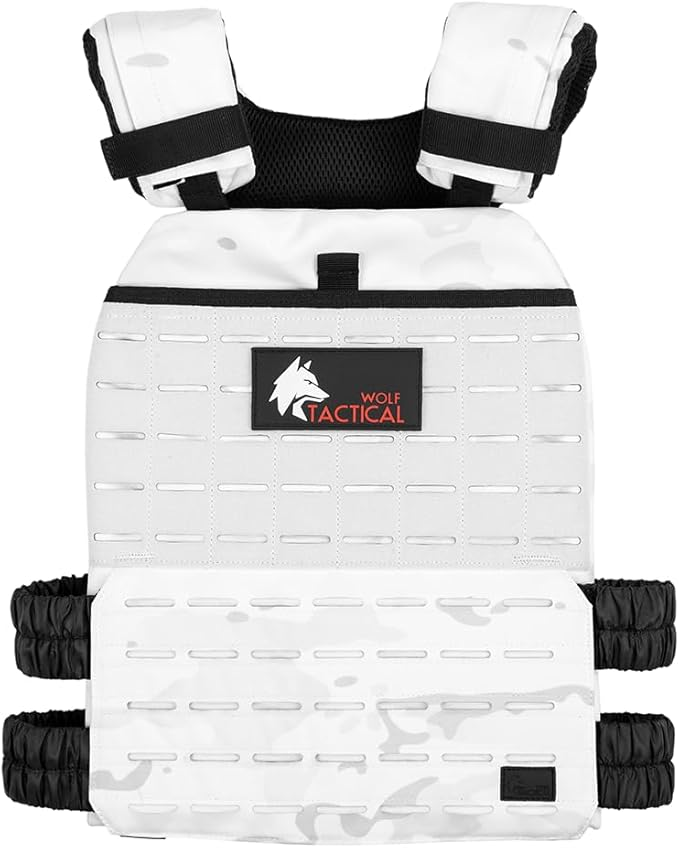
If your primary goal is heavy strength-based loading and calisthenics, look for vests designed to accept large plates and high total load capacity. The Kensui EZ-VEST® MAX V2 is purpose-built for heavy work and can handle hundreds of pounds—ideal when you want to progress beyond handheld weights.

Consider fit, comfort, and how the vest sits across your shoulders and sternum. If you plan long-distance rucks, you may prefer a combination of a ruckpack with plates and a lighter vest for agility work.
Track your progress and calories
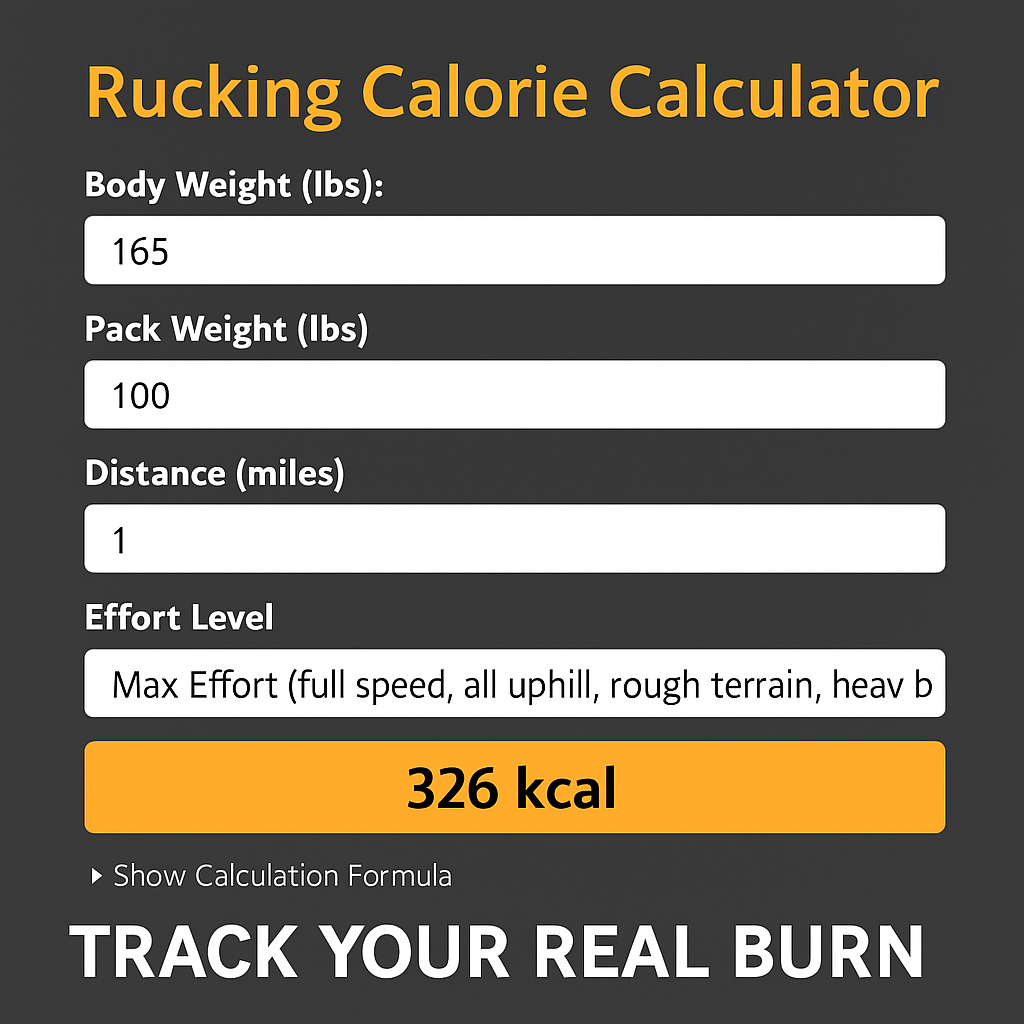
When you add significant load, your calorie burn increases predictably. Use the Rucking Calorie Calculator to estimate energy expenditure for weighted walks and rucks — it helps you program recovery and nutrition around heavy sessions. Try the calculator below:

Practical tips
- Listen to joint and low-back feedback — pain is a sign to reduce load or fix technique.
- Keep increments small: 5–15 lb increases are plenty for most lifters.
- Use a mix of high-intensity short sessions and lower-intensity long rucks for balanced adaptation.
- Prioritize sleep and protein when training with a heavy vest — recovery determines progress.
Real-world experience and coach perspective
As a coach and someone who uses weighted-vest training, I recommend heavy vests when strength and load-specific conditioning are your priority. I’ve seen athletes move faster and maintain lower bodyweight more reliably when they combine progressive vest loading with disciplined nutrition. Preston Shamblen lost 90 lbs through rucking, weighted-vest training, and consistent nutrition, and still recommends weighted vests as one of the most reliable ways to maintain a lower body weight and burn fat consistently.
Heavy vest work is powerful, but respect the load. Progress deliberately, monitor recovery, and use tools like the calorie calculator above to keep training sustainable and effective.