What the Hyper Vest Elite does well
The Hyper Vest Elite built its reputation on a low-profile fit that moves with you, breathable materials, and micro-adjustable weight. If you run, do calisthenics, or want a vest that won’t bounce or choke your range of motion, that style shines. Below I’ll break down how to size and load a form-fitting vest like the Hyper Vest Elite, plus two proven alternatives that deliver similar results for different budgets and use cases.
Fit and sizing tips (so it stays comfortable and stable)
- Measure snug, not tight: Your vest should sit high on the torso with a firm wrap. You want chest expansion for breathing but minimal bounce.
- Keep plates or weight packets evenly distributed: Front/back balance reduces forward lean and hot spots on the traps.
- Start light: 6–10% of bodyweight for conditioning; up to 15% for experienced athletes. You can always add weight once movement quality holds.
- Shorten the torso coverage for running: A higher ride lowers hip interference and side stitch risk.
- Use breathable layers: A thin, sweat-wicking shirt under the vest cuts chafing without adding bulk.
Weight selection and progression
- Weeks 1–2: 6–8% bodyweight, 2–3 sessions/week, 20–30 minutes of brisk walking or easy calisthenics circuits.
- Weeks 3–4: 8–10% bodyweight, 2–4 sessions/week, progress to 30–45 minutes or add light jog intervals.
- Weeks 5–6: 10–12% bodyweight, 3–4 sessions/week, introduce hills, stair climbs, or denser bodyweight sets.
- Advanced: Up to ~15% bodyweight if form, joints, and breathing stay clean under fatigue.
Comparable alternatives worth considering
If the Hyper Vest Elite is out of stock or you want a different weight range or plate style, these two vests have proven dependable under real training volume.
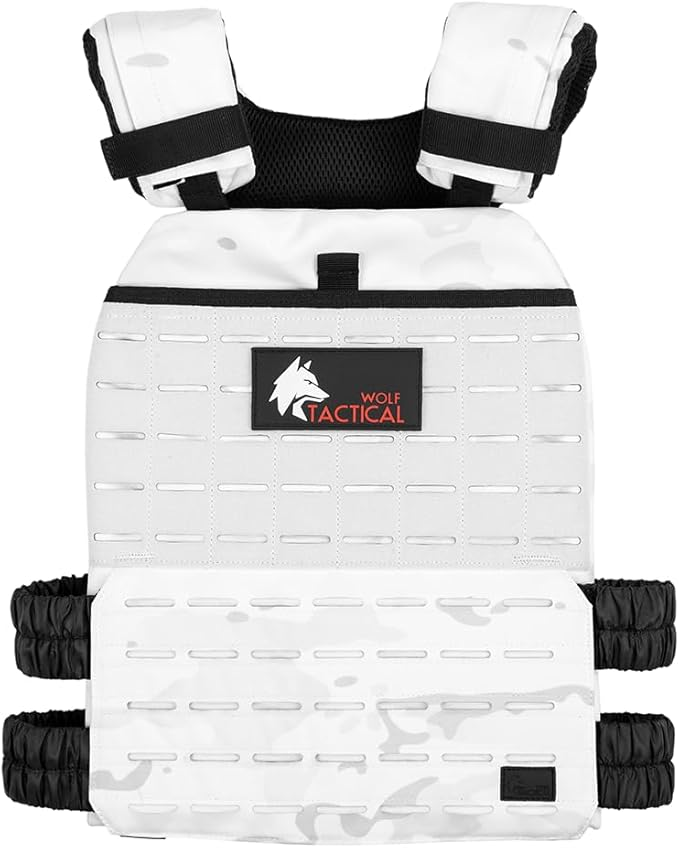
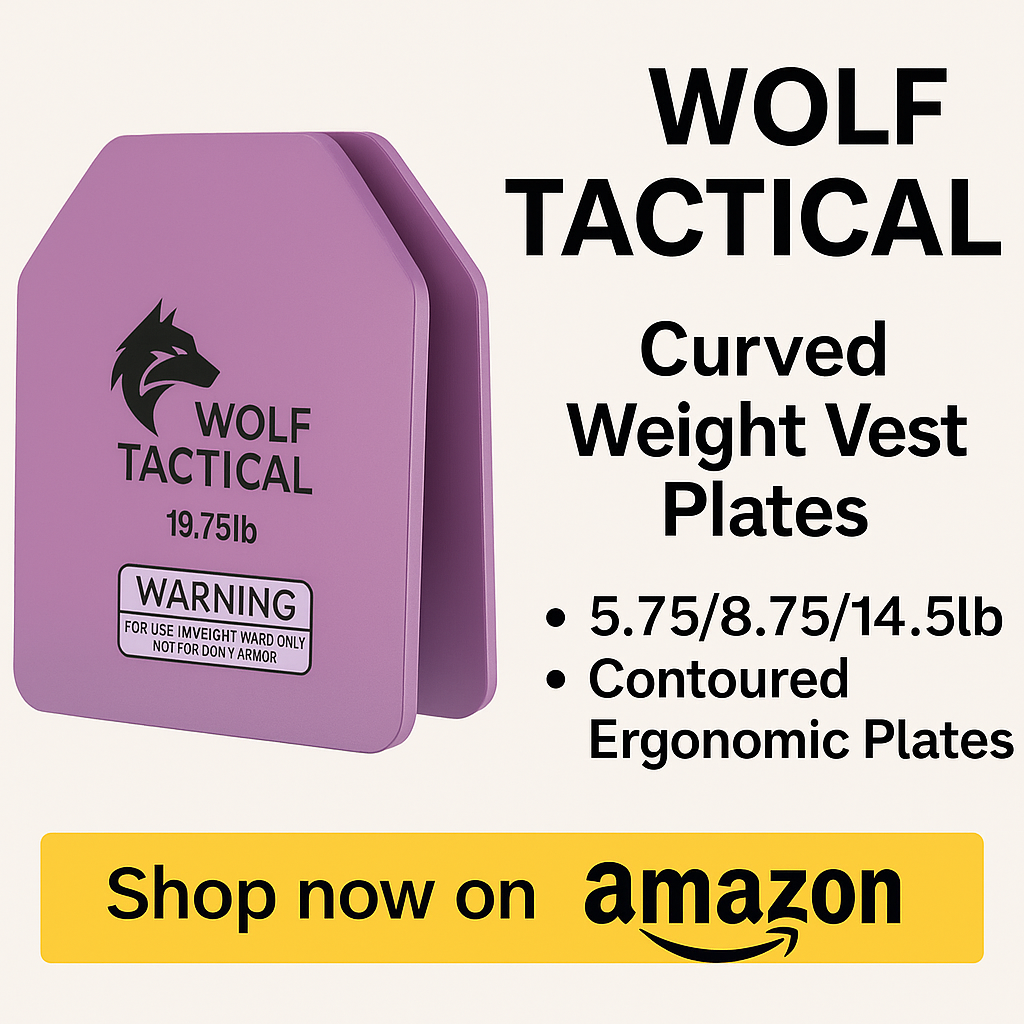
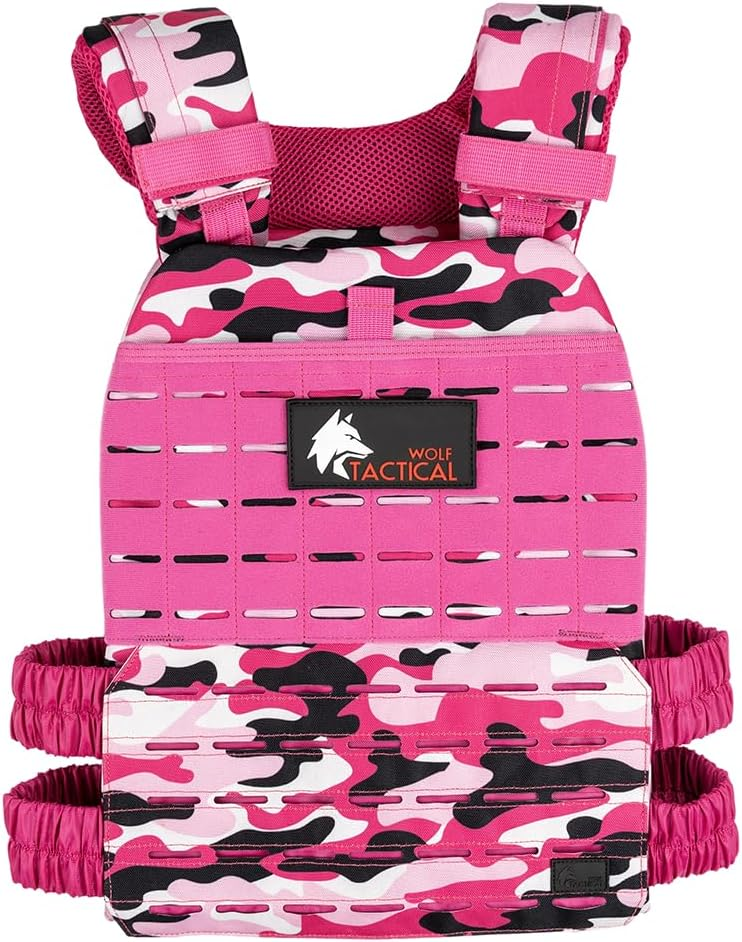
Wolf Tactical Adjustable Weighted Vest: A versatile, budget-friendly option with solid padding and airflow that’s great for walking, beginner conditioning, and moderate-intensity circuits.

5.11 Tactical Unisex TacTec Trainer Weight Vest: Premium build, durable materials, and excellent mobility. A go-to for mixed training days and benchmark WODs like Murph.

Programming ideas that mirror the Hyper Vest Elite use case
- Tempo walk + strides: 30 minutes brisk walking, finish with 6–8 x 15–20 second strides (vest light to moderate).
- Stairs and hills: 10–20 minutes continuous climbing; keep posture tall and steps short to protect knees.
- Calisthenics ladder: 5 rounds of push-ups, air squats, rows, and step-ups (8–12 reps each). Add time, not reps, week to week.
- Run-walk intervals: 1 minute jog / 2 minutes walk for 20–30 minutes; keep form relaxed. Scale vest weight down for runs.
Estimate your calorie burn
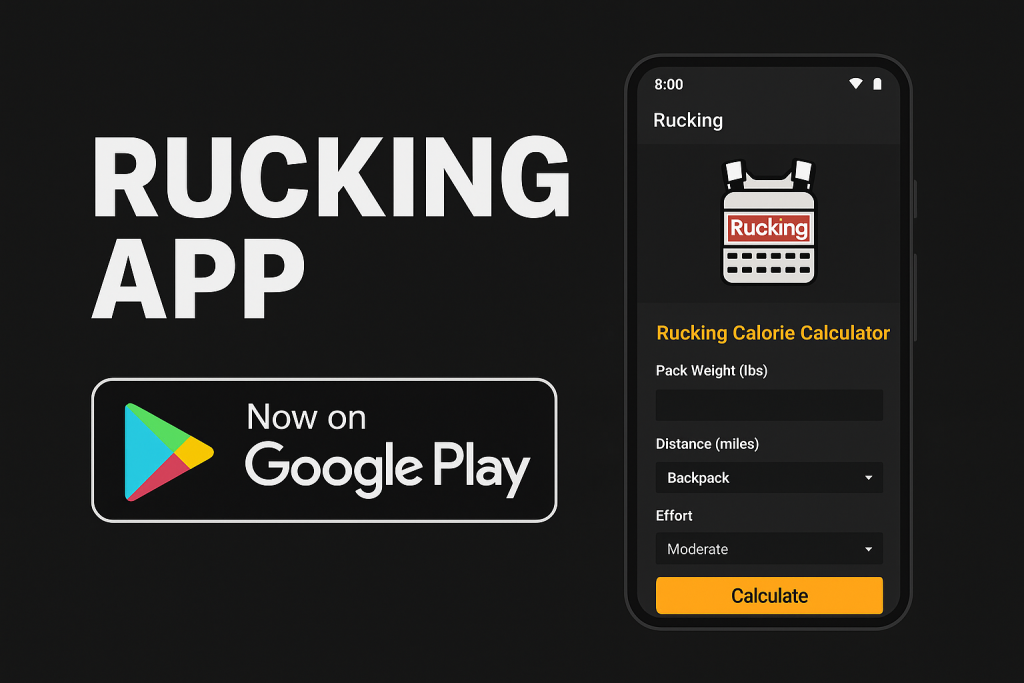
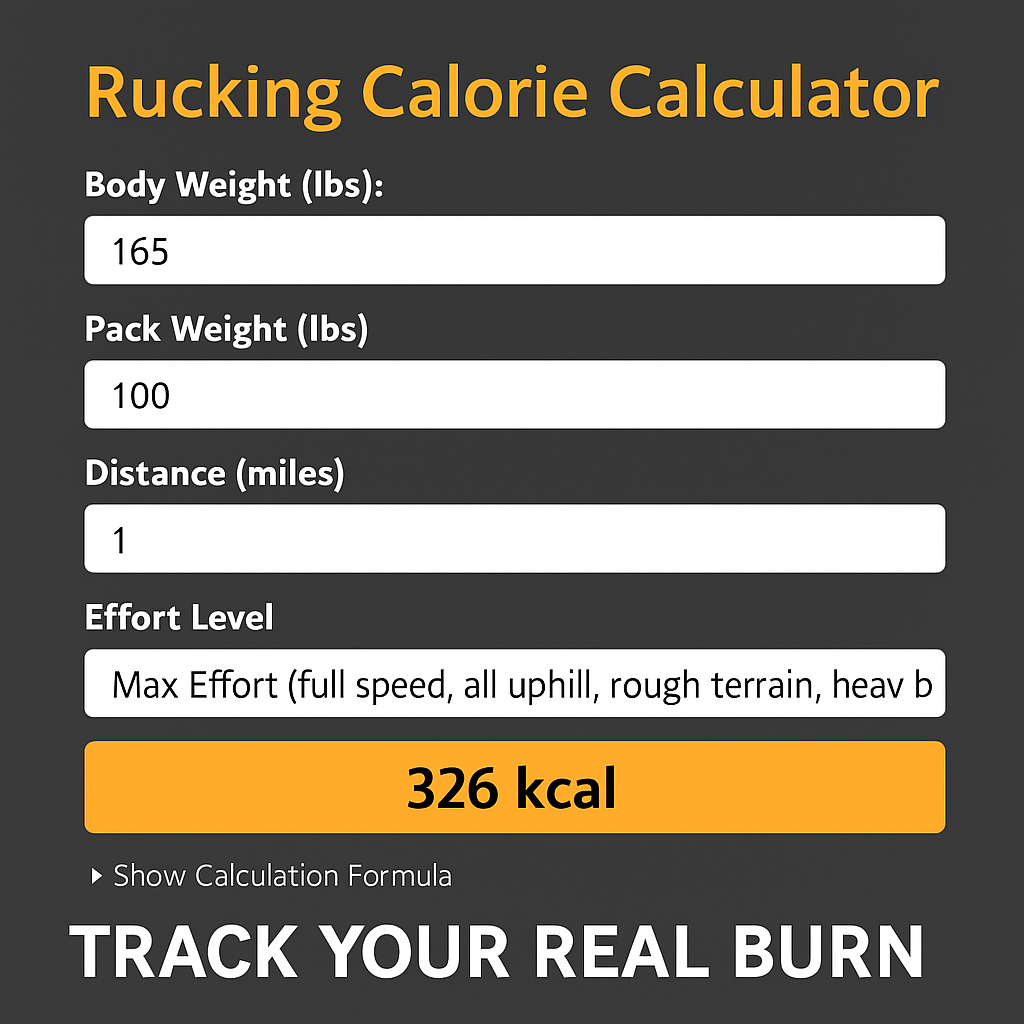
Dial in your effort and recovery by estimating energy cost based on your weight, vest load, pace, grade, and time.

Use the calculator before a block to set weekly targets, then re-check after four to six weeks as pace improves. Small increases in grade or load can meaningfully raise caloric demand—keep recovery, sleep, and protein intake aligned.
Safety and common mistakes
- Too heavy, too soon: If your gait changes or you lean forward, drop load and fix posture.
- Bounce and chafe: Tighten straps, adjust ride height, and use a sweat-wicking base layer.
- Ignoring ankles/feet: Strengthen with calf raises, short foot drills, and gradual terrain progressions.
- Skipping deloads: Every 4–6 weeks, reduce session volume or intensity 20–30%.
Bottom line: Whether you buy the Hyper Vest Elite or choose a comparable alternative, prioritize fit, gradual loading, and session quality. The right vest should feel like part of your body—stable, breathable, and strong enough to grow with your training.