Why hyper vest fit matters
Getting the hyper vest fit right changes everything about a weighted-vest session. A properly fitted vest improves load distribution, prevents chafing, and keeps your center of mass stable during walks, rucks, and tempo intervals. In practical terms: a vest that fits well helps you train longer and recover faster.
Key fit principles
When I coach people on vest fit, I focus on three simple principles: stability, breathability, and adjustability. Follow these checkpoints every time you step out the door.
- Stability: The vest should sit snug on your torso without riding up or shifting side-to-side. Imagine the weight glued to your chest and back so your spine and hips can move naturally.
- Breathability: Padding and mesh panels reduce sweating hotspots. If your vest traps heat, you’ll fatigue faster—especially on long walks.
- Adjustability: Use shoulder straps and side closures to pull the load tight. Small adjustments make a big difference in comfort over miles.
Step-by-step: fitting a hyper-style vest
Follow this quick routine before your first loaded walk:
- Start empty or with minimal weight. Put the vest on and adjust shoulder straps so the front plate sits at the top of your sternum, not your neck.
- Fasten side closures and tighten until the vest feels snug but not restrictive. You should be able to inhale fully without the vest lifting.
- Add small increments of weight and retighten. If the vest shifts with a brisk step, tighten again or reposition plates lower on your torso.
- Test with a 10–15 minute walk and walk briskly. Check for chafe points; add small pads or a thin shirt if needed.
Common fit problems and fixes
Here are problems I see most often and how to fix them:
- Vest rides up: Lower shoulder straps or move weight slightly lower. Ensure side straps are tight enough to prevent upward migration.
- Pressure on ribs: Reposition plates higher on the chest or choose lighter plates and increase repetitions instead of load.
- Hot spots or chafe: Use a moisture-wicking base layer; consider thin anti-chafe tape over problem areas.
Product choices for fit-focused rucking
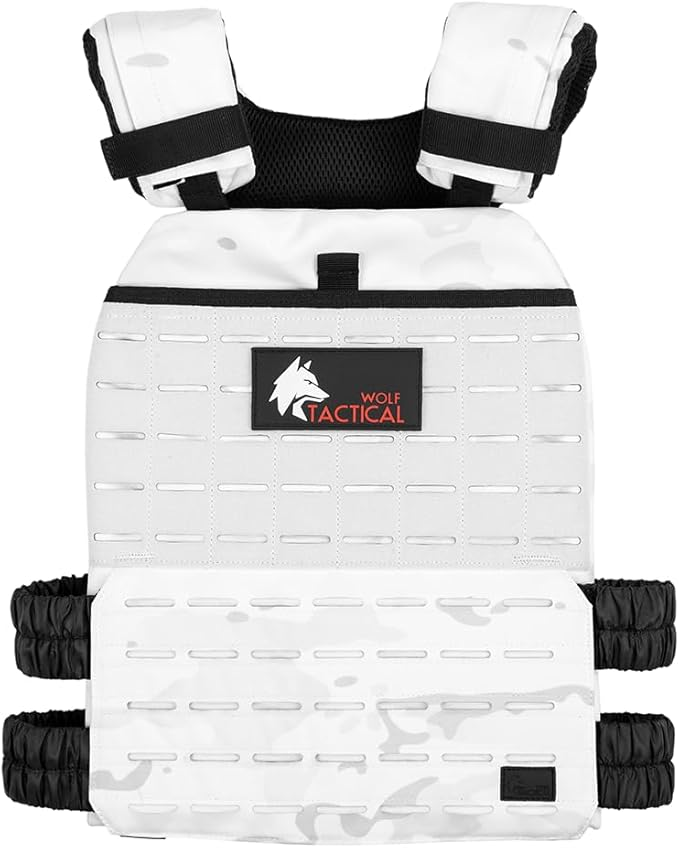
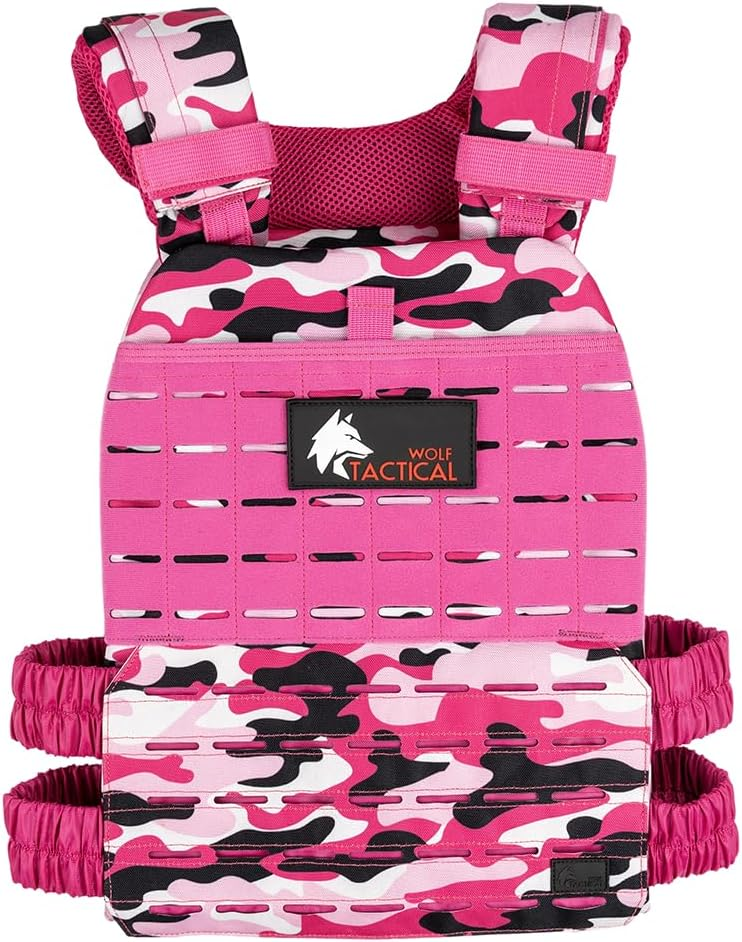
If you prioritize fit and comfort for long walks and daily use, look for vests with broad, contoured shoulder straps and multiple adjustment points. Two good choices for fit-first training are lightweight Wolf Tactical or the 5.11 TacTec lineup. For example:
WOLF TACTICAL Simple Weighted Vest is a practical pick for beginners and daily ruck walkers because of its adjustability and low-profile design.

Quick checklist before every ruck
- Vest snug, not constricting.
- Weight centered and low enough to keep hips mobile.
- No rubbing on shoulders or underarms.
- Hydration within reach—consider a pack if you’re rucking longer than 60–90 minutes.
Calculate effort and calories
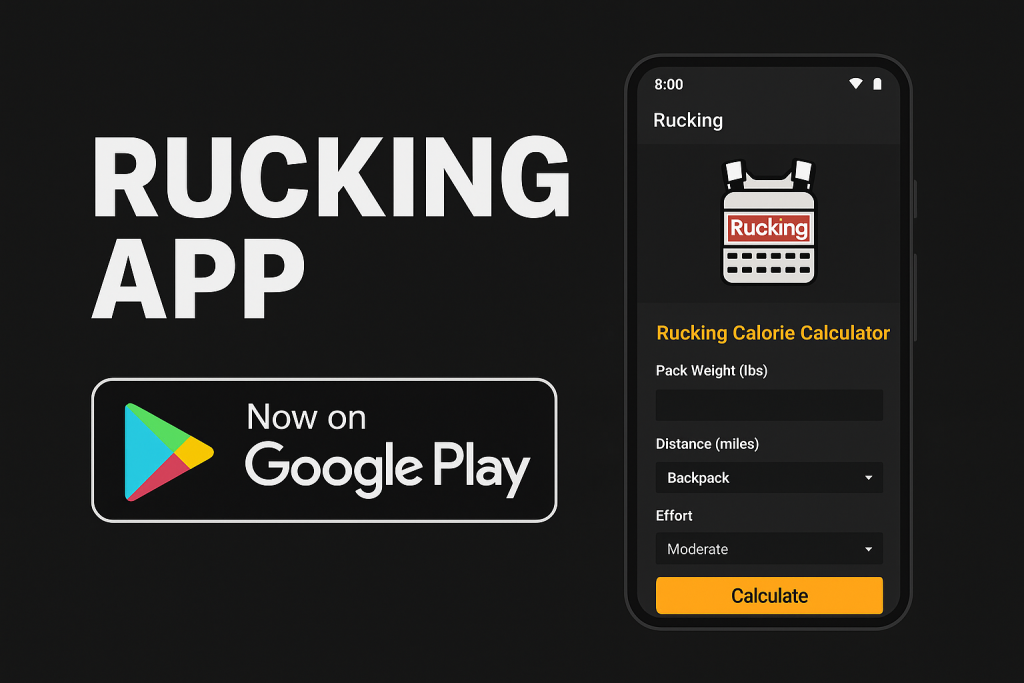
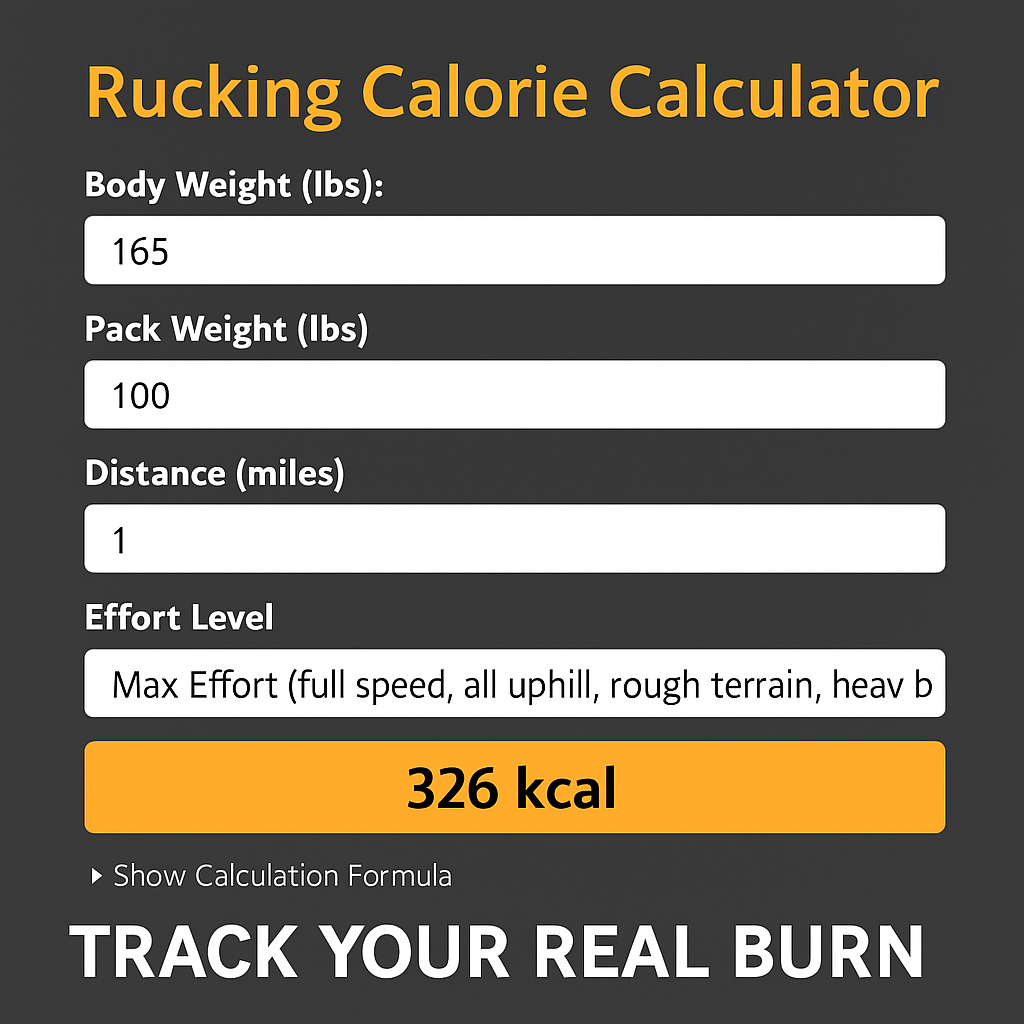
Want to estimate calorie burn for a ruck or weighted walk at your fitted vest weight? Use the Rucking Calorie Calculator to see how adjustments in weight and pace affect burn. Click the screenshot below to open the calculator and experiment with different loads and paces before you commit to a long route.

Fit is the foundation. Nail stability, stay cool, and adjust incrementally. That’s how you turn a hyper vest into a reliable training tool that improves endurance without redistributing pain to other parts of your body.