Is the Hyper Vest Pro still worth it?
The Hyper Vest Pro built a reputation for a low-profile fit that moved with your torso. If you can find one in good condition, it can still work for walking, stair climbs, and bodyweight circuits. That said, today’s plate-ready vests and adjustable shell vests have caught up on comfort, breathability, and load flexibility—often at a better value and with easier availability.
Fit and comfort: what matters most
Regardless of brand, a weighted vest should hug the torso without pinching your shoulders or bouncing on impact. Aim for a snug chest fit and even front/back distribution. Keep your breathing free—if you can’t take a deep belly breath, loosen it one notch. For most people, the sweet spot is 5–10% of bodyweight to start, progressing toward 10–15% for steady walking and basic calisthenics.
- Start at 5–10% bodyweight for 2–4 weeks.
- Increase total load by 5–10% per week if form and recovery are solid.
- Use shorter strides on downhills and keep posture tall to protect knees and low back.
Modern alternatives I trust
If you’re shopping beyond the Hyper Vest Pro, these options balance comfort with durability and load flexibility:
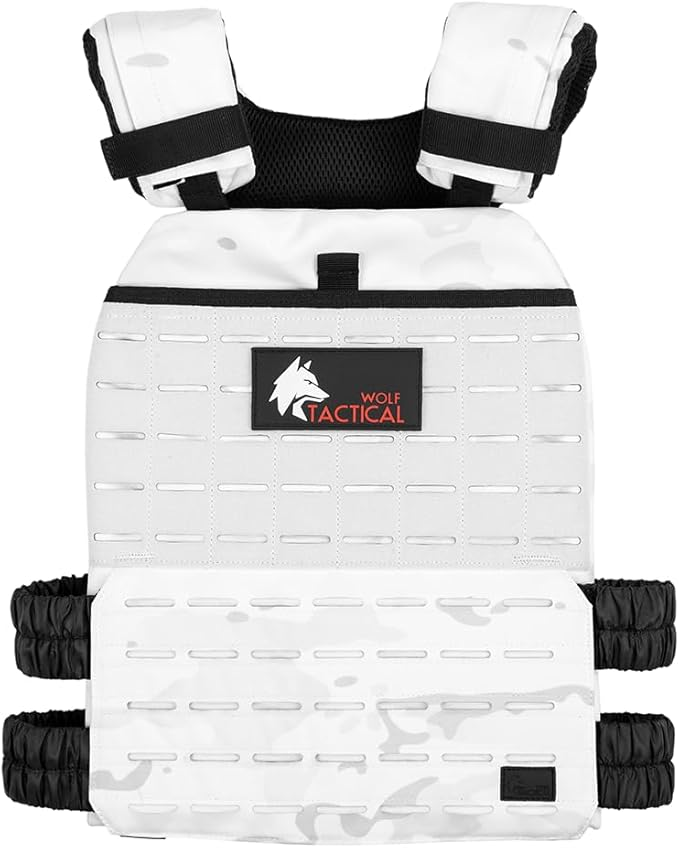
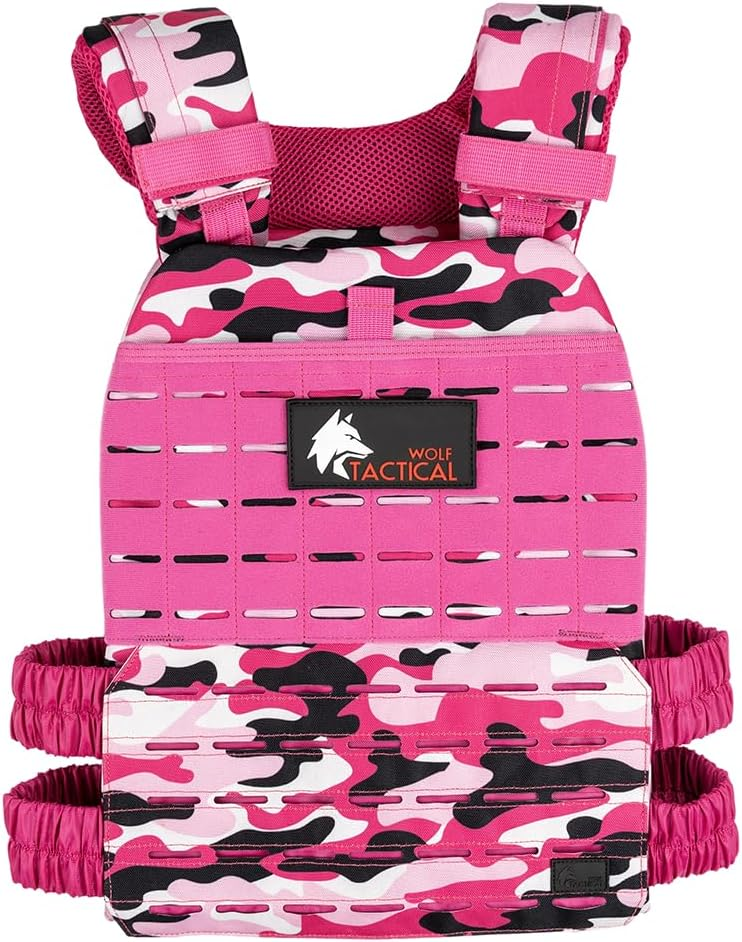
Wolf Tactical Adjustable Weighted Vest is a versatile pick for walking and mixed conditioning. It cinches cleanly, rides close to the torso, and scales from light to moderate loads.

Prefer a premium harness feel and durable construction? The 5.11 Tactical TacTec Trainer Weight Vest spreads load well and stays stable during push-ups, lunges, and jog-walk intervals.

Programming: how to use a vest effectively
Keep your weekly mix simple and repeatable. Consistency beats novelty:
- 2–3 weighted walks per week, 20–45 minutes, conversational pace.
- 1–2 strength circuits (push, hinge, squat, carry). Keep reps crisp; stop 1–2 reps shy of form breakdown.
- 1 incline session: treadmill 5–10% or local hill repeats, 10–20 minutes steady.
Progress by one variable at a time: time, distance, or load—not all three. If heart rate stays elevated the day after, hold the load steady and add volume later.
Safety and recovery
- Warm up hips, ankles, and T-spine before loading (5 minutes of dynamic mobility).
- Land softly, keep ribs down, and avoid over-striding.
- Hydrate before and after; add electrolytes on hot or long sessions.
Estimate your calorie burn
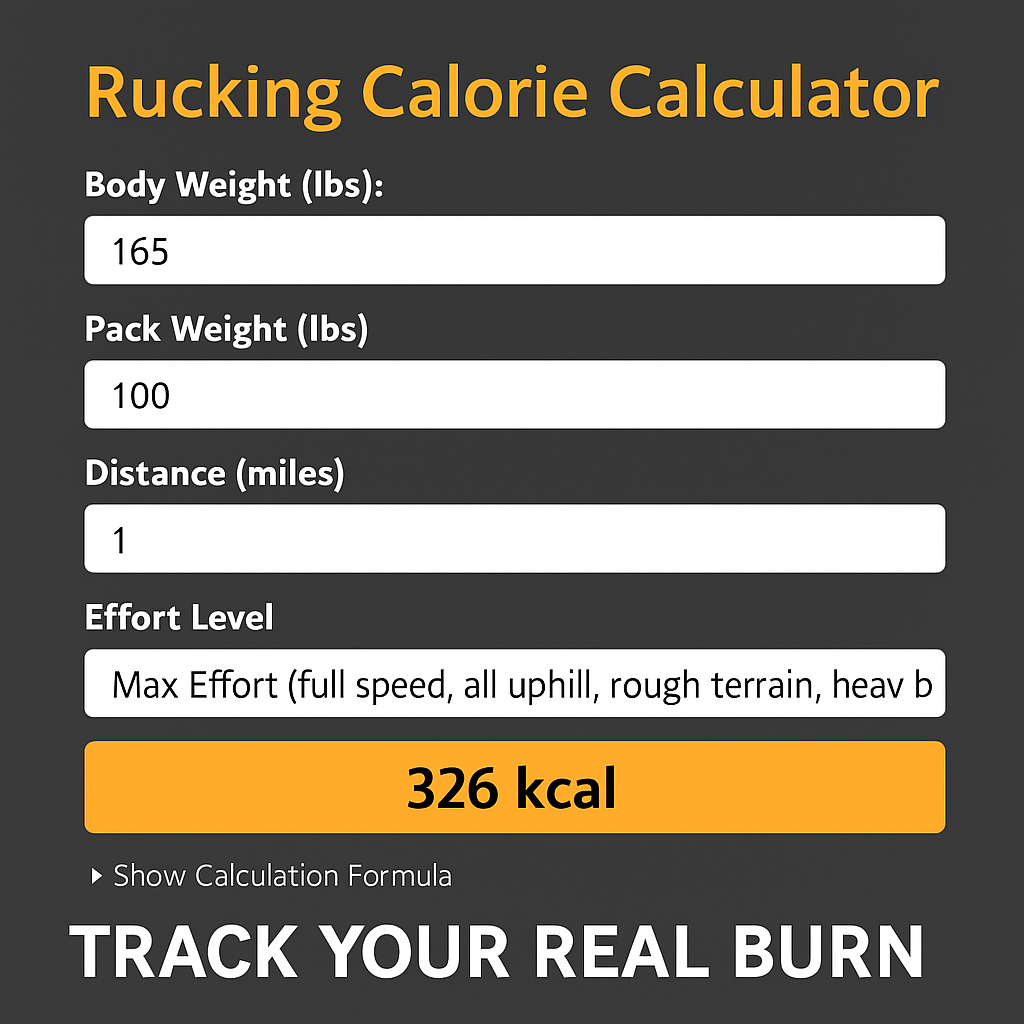
Curious what your vest sessions are actually burning? Use this weighted-vest calorie tool to estimate output based on bodyweight, load, pace, and time.
Weighted-Vest Calorie Calculator

Bottom line
The Hyper Vest Pro set an early standard for slim, body-hugging vests. Today, well-designed adjustable and plate-ready vests deliver equal or better comfort with easier load changes and wider availability. Pick a vest that fits your torso, start light, progress gradually, and use the calorie calculator to keep your weekly training honest.