Why the Hyperwear Hyper Vest Pro matters
The Hyperwear Hyper Vest Pro is one of the most talked-about minimalist weighted vests for people who want low-profile load, full range of motion, and a design that disappears under a shirt. This post explains how the vest performs in real outdoor training, who it’s best for, and how to use it without compromising posture or joint health.
Key design and performance notes
The Hyper Vest Pro prioritizes stability and mobility. Instead of big, hard plates that shift, the vest uses low-profile soft-weights and an ergonomic cut that sits close to the torso. That design makes it ideal for workouts where you need to move freely—trail runs, hiking with short bursts of intensity, stair work, and high-rep circuits.
Fit, comfort, and sizing
Fit is the single biggest factor with a slim vest. A well-fitting Hyperwear vest sits snug across the chest and upper back so the weight rides with your center of gravity instead of pulling at your shoulders. If the vest rides up or creates pressure points over the clavicle, reduce load or try a different size. Check for these simple cues:
- Vest stays in place during a brisk walk or bodyweight squat.
- Arm and shoulder range of motion is not restricted.
- Padding sits comfortably over the ribs; no sharp seams digging in.
Programming with a minimalist weighted vest
Because the Hyperwear Hyper Vest Pro is lower-profile, progression is often by time and reps rather than large jumps in weight. That makes it very approachable for conditioning work and long walks where you want a steady calorie burn without the joint stress of a heavy plate carrier.
A simple progression plan:
- Week 1–2: 10–20 minute weighted walks at an easy pace to assess fit and breathing.
- Week 3–6: Increase to 30–45 minutes, add short intervals or hills twice a week.
- Beyond 6 weeks: add bodyweight strength circuits or take longer rucks while maintaining posture.
Safety and common mistakes
Light, snug vests can tempt you to extend duration before technique is solid. Avoid these errors:
- Increasing time while collapsing posture—keep shoulders back and core engaged.
- Using a minimal vest as an excuse to overload—if you need more than the vest comfortably offers, switch to a plate carrier or backpack for heavier work.
- Skipping mobility work—weighted walking magnifies tight hips and thoracic stiffness.
Alternatives and when to choose something different
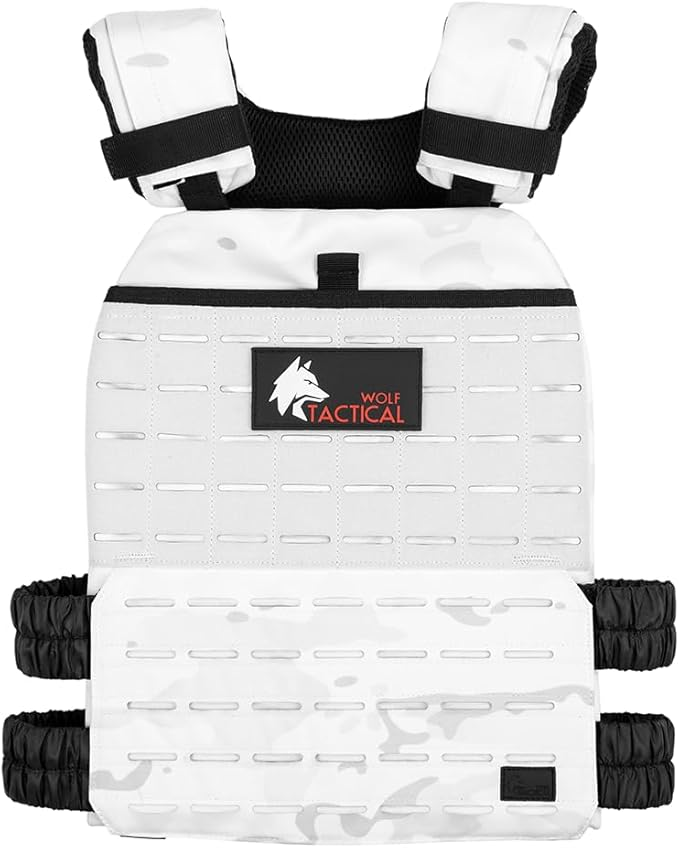
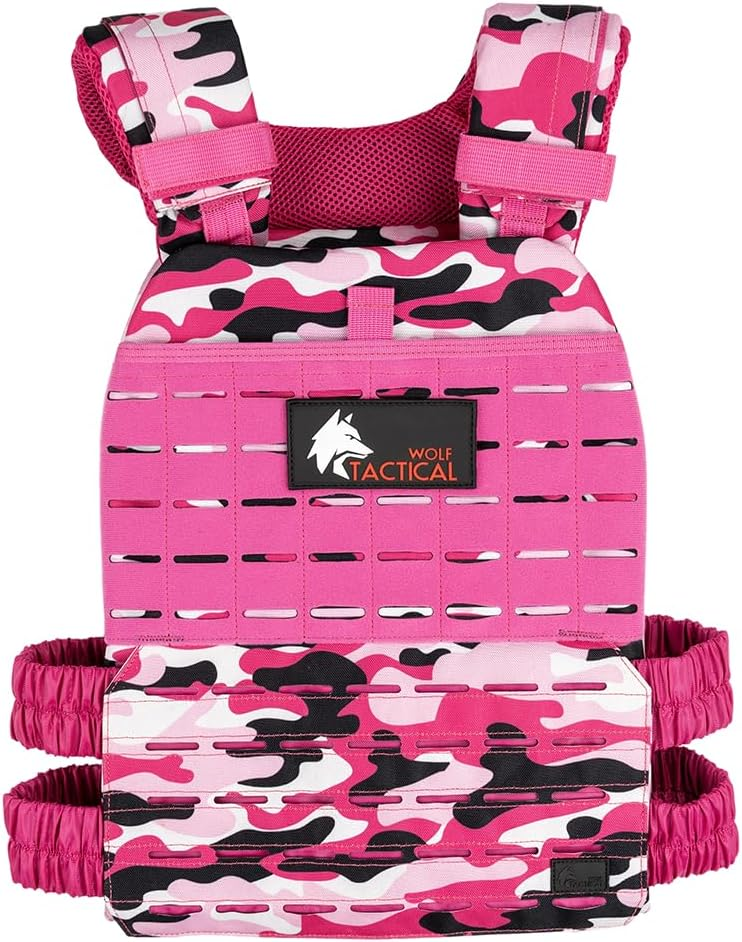
If you want more modular loading or plan long, heavy rucks, a plate-friendly option is a better fit. For an adjustable, budget-friendly alternative that’s still comfortable for long walks and general conditioning, consider the Wolf Tactical Adjustable Weighted Vest. Below is a quick look:

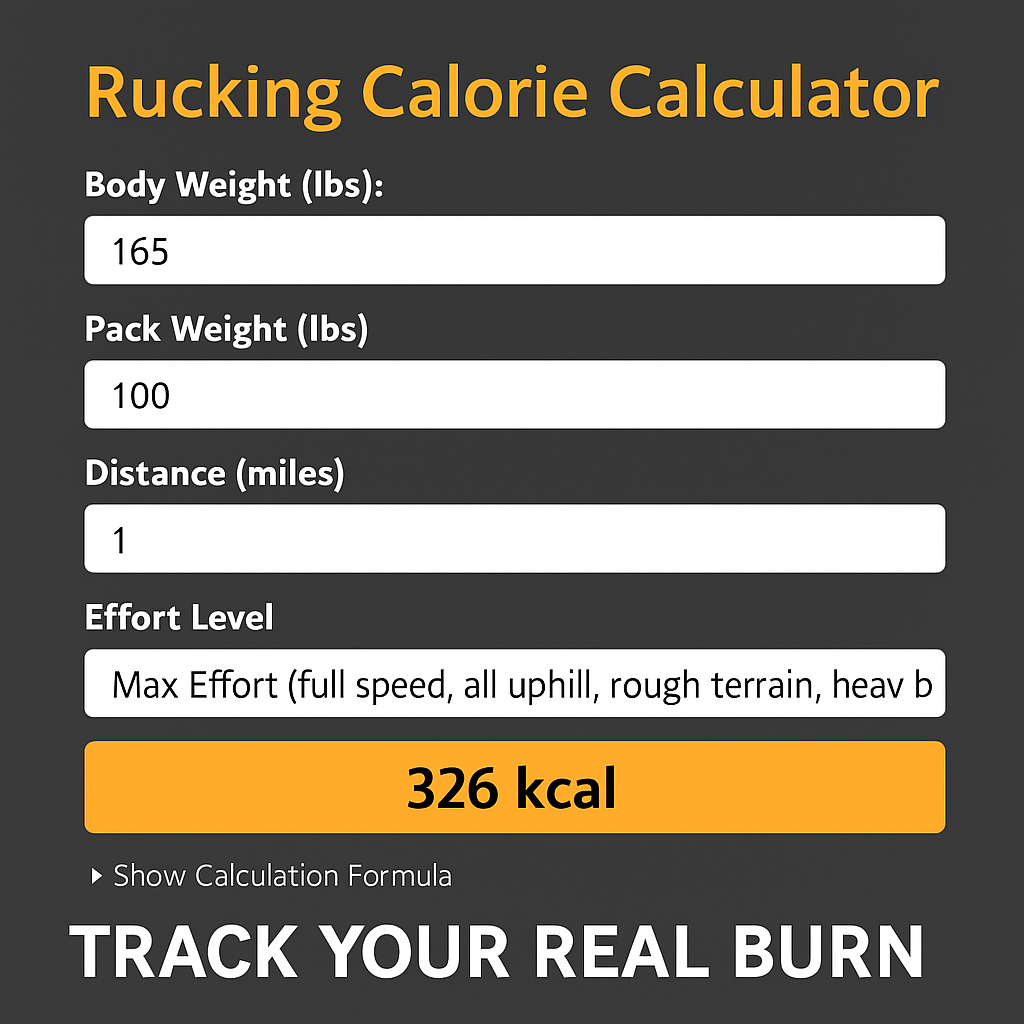
Use the calorie calculator before you step out
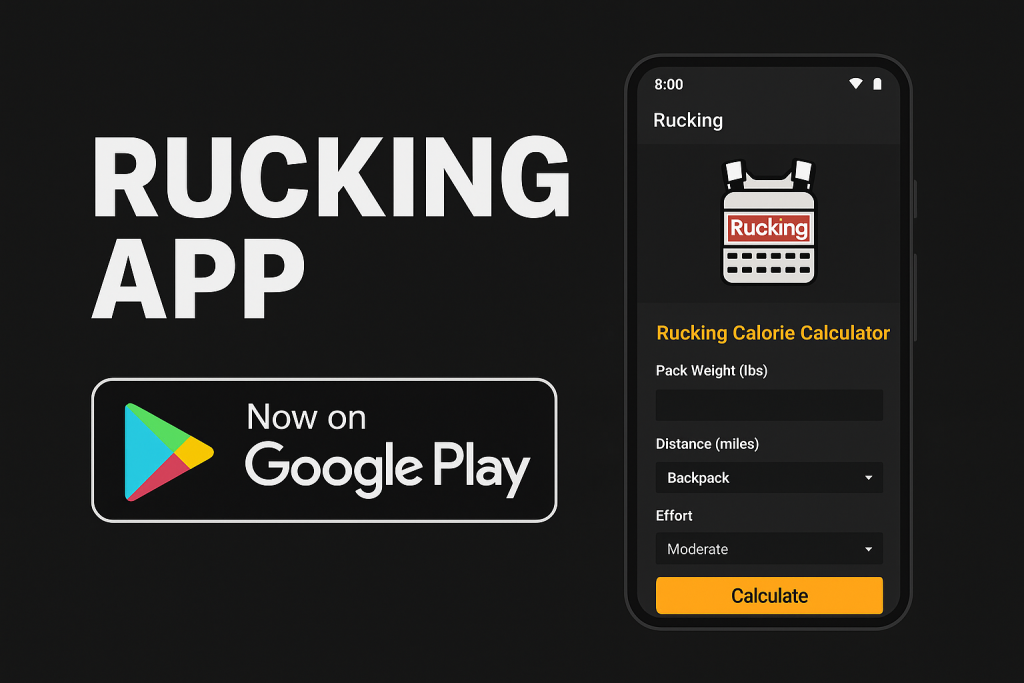
Want to estimate the calorie burn from a weighted walk or ruck with the Hyperwear Hyper Vest Pro? Use the rucking calorie calculator to plan pace, distance, and calories burned for a given weight and load. Click the screenshot below to try it.

Bottom line
The Hyperwear Hyper Vest Pro is a top choice if you want a minimalist, low-profile vest that preserves mobility for outdoor training and higher-rep conditioning. Use it for timed walks, hill repeats, and circuits—scale time before load, watch posture, and switch to a plate-capable vest like the Wolf Tactical if you need heavier, slower strength work.