If you like a low-profile vest that keeps your arms and torso free, the Hyperwear weighted vest design is one of the better concepts on the market. Its short length and close, compressive fit make dynamic moves, hill walks, and light jogs feel natural. Below I break down what the Hyperwear style does well, where it falls short, and which alternatives I recommend if you want more load or a different fit.
What stands out about a Hyperwear weighted vest
Most Hyperwear-style vests use slim weight bars across a short, torso-hugging shell. The result is stable load distribution with minimal bounce and excellent range of motion for arms and hips. It is especially good for bodyweight circuits, stairs, and brisk walks.
Pros
- Short length preserves hip flexion for walking, hiking, and step-ups.
- Snug, even compression reduces bounce and hot spots.
- Small weight increments make progression straightforward.
- Good choice for mixed conditioning sessions (walks + calisthenics).
Cons
- Max load is typically lower than plate-carrier styles; not ideal if you want heavy rucks.
- Compression fit can run warm in hot climates compared to open-shoulder carriers.
- Replacement weights and sizing can be brand-specific and pricier than plates.
Sizing and how much weight to use
For most people, the right weight is dictated by intent and terrain more than brand. Start conservative and progress weekly.
- Easy walks on flat ground: 5–10% of bodyweight.
- Hills or stairs: 5–8% of bodyweight to keep form tight.
- Circuit training (push-ups, squats, lunges): 5–12% of bodyweight, depending on reps.
- Conditioning jogs or shuffles: keep it light (5–8%) and focus on posture.
Fit tip: If your torso is short, the cropped profile shines. If you’re long-torsoed or want weight further down your trunk for rucks, a plate-carrier or backpack may feel more natural.
Programming ideas
- 30–40 min weighted walk: steady pace you can nose-breathe. Add 2–5 lb every 1–2 weeks as long as posture stays tall and steps stay quiet.
- Hill repeats: 45–75 seconds uphill, walk down, repeat 6–10 times. Keep stride short and drive arms.
- Mixed session: 10 min walk, then 3 rounds of 10 push-ups, 15 air squats, 10 step-ups per leg, finish with 10 min walk.
Great alternatives if you need different features
If Hyperwear’s fit or load limits are not ideal, these two proven vests cover most needs.
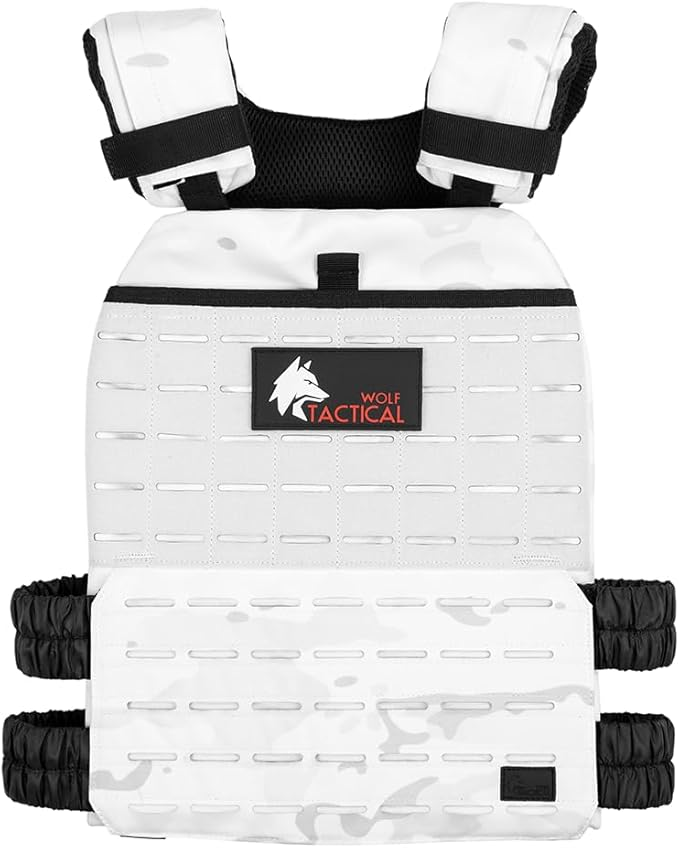
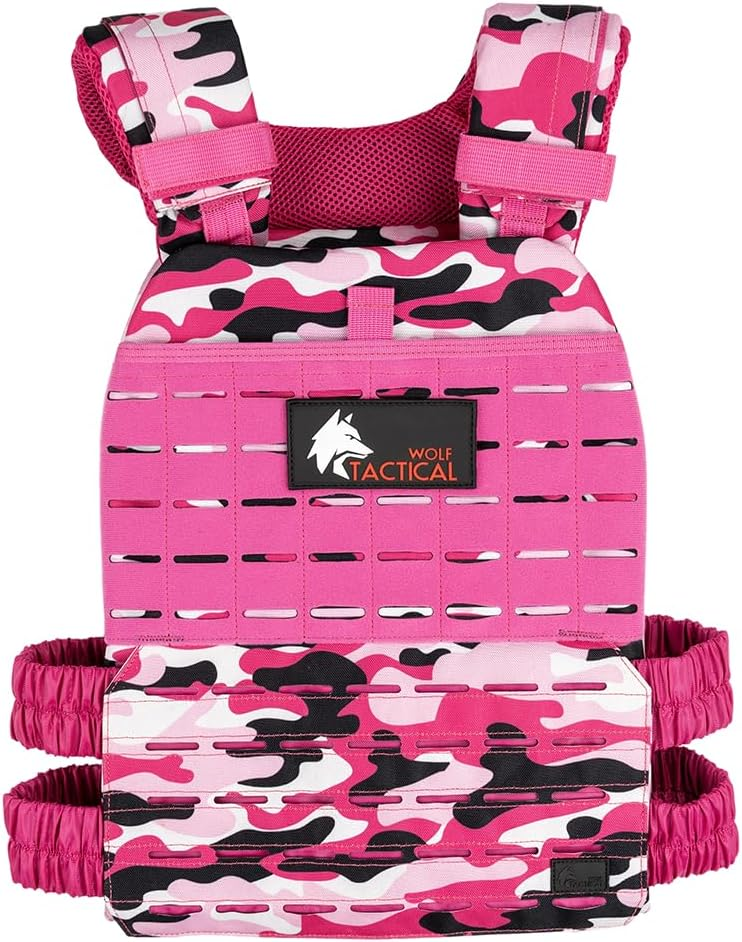
Wolf Tactical Adjustable Weighted Vest: highly adjustable, breathable, and budget-friendly. Excellent for walking, circuits, and progressive loading with sand or plates.

5.11 Tactical Unisex TacTec Trainer Weight Vest: premium comfort and durability with excellent ventilation and mobility. Great for longer sessions and higher training frequency.

Estimate your calorie burn
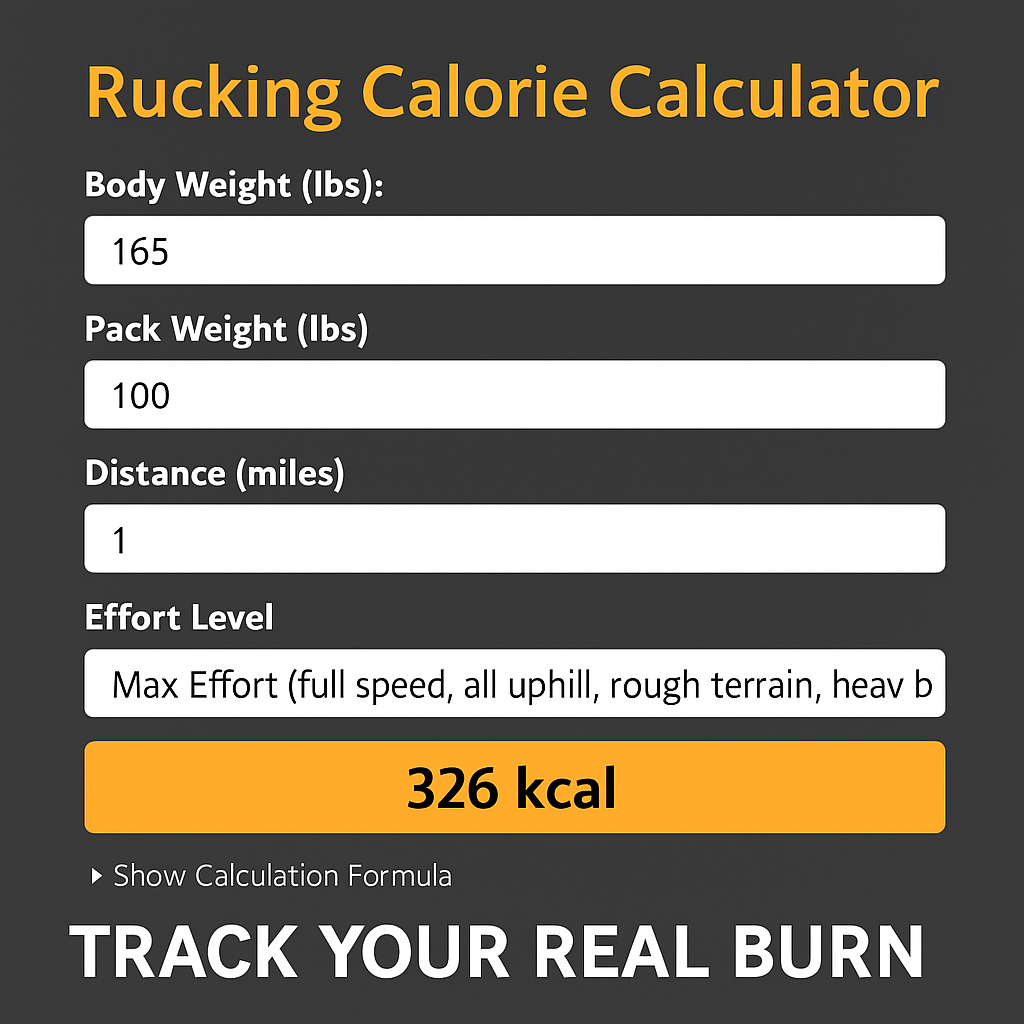
Want a realistic estimate for how many calories your weighted walks or circuits burn? Use this purpose-built calculator for weighted vests and rucking:
Weighted-vest calorie calculator

Form, safety, and recovery
- Posture first: ribs down, eyes forward, quiet footfalls.
- Pace before load: increase pace or time before adding more weight.
- Heat management: train earlier, hydrate, and loosen the vest between sets in hot weather.
- Recovery: 1 easy day between hard weighted sessions; prioritize calves, hips, and mid-back mobility.
The Hyperwear approach is solid if you value a compact, low-bounce vest for versatile conditioning. If you prefer more breathability, modular plates, or heavier loading, Wolf Tactical or 5.11 TacTec are hard to beat.