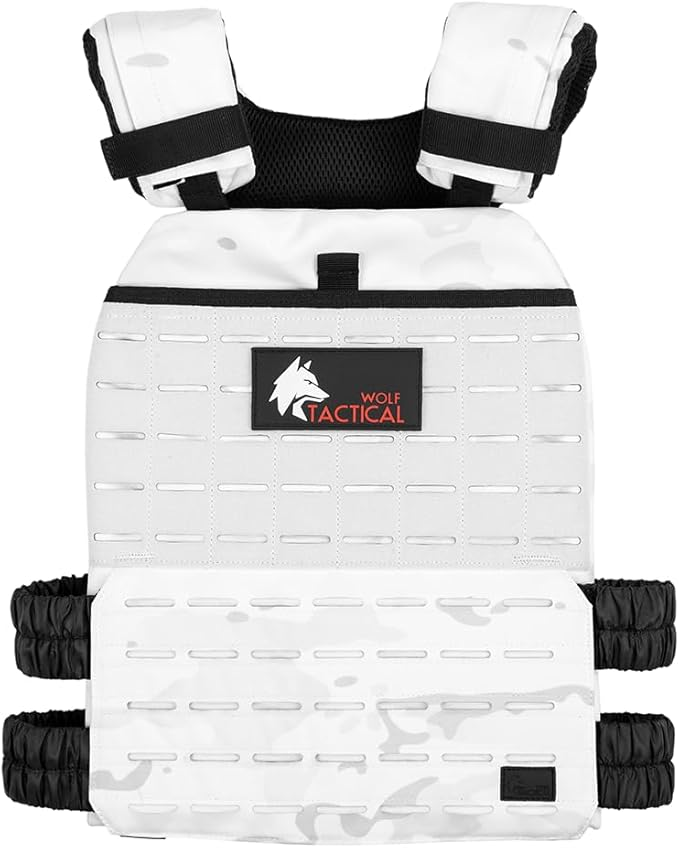
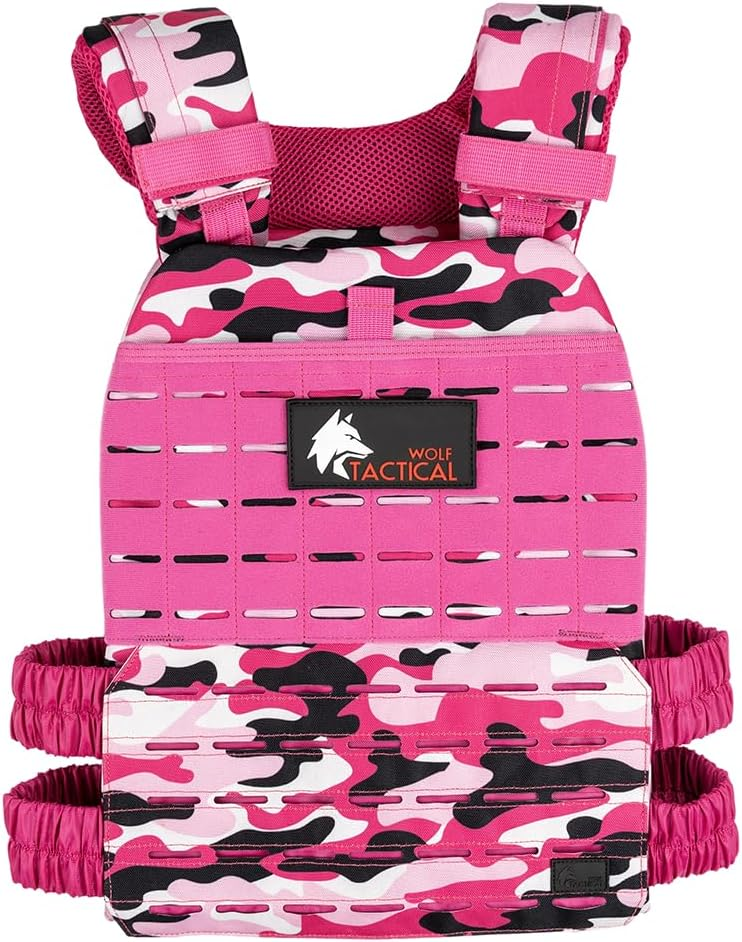
If your goal is to turn bodyweight moves into true strength training, the Kensui EZ Vest is one of the best tools available. Unlike traditional plate-carrier vests that top out around 20–45 lb and can restrict shoulder motion, the Kensui system lets you mount full-size Olympic plates on your chest and back while keeping your arms free for clean mechanics on dips, pull-ups, push-ups, squats, and walking lunges.
Why the Kensui EZ Vest stands out
The design shifts load close to your centerline without pinching the shoulders or limiting scapular movement. That means you can stay stacked, pull the elbows down and back on pull-ups, and keep the sternum tall on dips—exactly what you need to progress from muscular endurance into strength and hypertrophy.

The Kensui EZ-VEST MAX V2 supports up to 300 lb, giving massive headroom for long-term progression. If you already knock out 10–15 clean bodyweight reps, the EZ Vest transitions you into progressive overload without jumping straight to barbells.
Set-up and key fit tips
- Use Olympic plates and secure with quality collars. Tighten evenly to prevent plate rattle.
- Start with symmetrical loading (front/back) for dips and squats; slightly more front load can feel better on pull-ups.
- Adjust shoulder straps to keep the sternum plate mid-chest. If the plate rides too low, your range of motion will suffer.
- For longer sessions, wear a moisture-wicking base layer to reduce hot spots.
Programming the Kensui EZ Vest
Think like a barbell: use progressive overload, track volume, and rotate intensities over the week.
- Strength focus (3–6 reps): 4–6 sets of weighted pull-ups or ring chin-ups, weighted dips, and goblet-style squats with the vest. Rest 2–3 minutes.
- Hypertrophy (6–12 reps): 3–5 sets each of push-ups, feet-elevated push-ups, neutral-grip pull-ups, step-ups, and walking lunges. Rest 60–90 seconds.
- Capacity/assistance: EMOM 10–15 minutes alternating vest push-ups and hollow-body holds (unloaded), or vest squats paired with calf raises.
Progression: Add 2.5–5 lb per week on your main lifts or add a rep per set until you hit the top of the target range, then increase load and repeat. If elbows or shoulders feel cranky, reduce load 10% and extend the range of motion or switch grip widths for a week.
Sample 2-day split
- Day A: Weighted pull-up 5×5, weighted dip 4×6–8, Bulgarian split squat 3×8/side, incline push-up 3×12.
- Day B: Feet-elevated push-up 4×8–12, chin-up 4×6–8, walking lunge 3×16 steps, squat 3×10.
Safety and form essentials
- Shoulders: Keep scapulae depressed and slightly retracted on pulls; avoid shrugging under load.
- Elbows/wrists: Neutral wrists on push-ups/dips. If rings are available, they can reduce joint stress at higher loads.
- Range: Own full depth. A small deload to reclaim range beats grinding partials that irritate tendons.
- Not for running: High loads and bouncing don’t mix. Keep any conditioning to walking, stairs, or sled work.
Conditioning with the EZ Vest
While the Kensui shines for strength, it also works for loaded carries, hill walks, and stair climbs. Stay at conversational pace and keep loads lighter (10–25% of bodyweight). This improves work capacity without trashing recovery for your heavy sessions.
Estimate your calorie burn
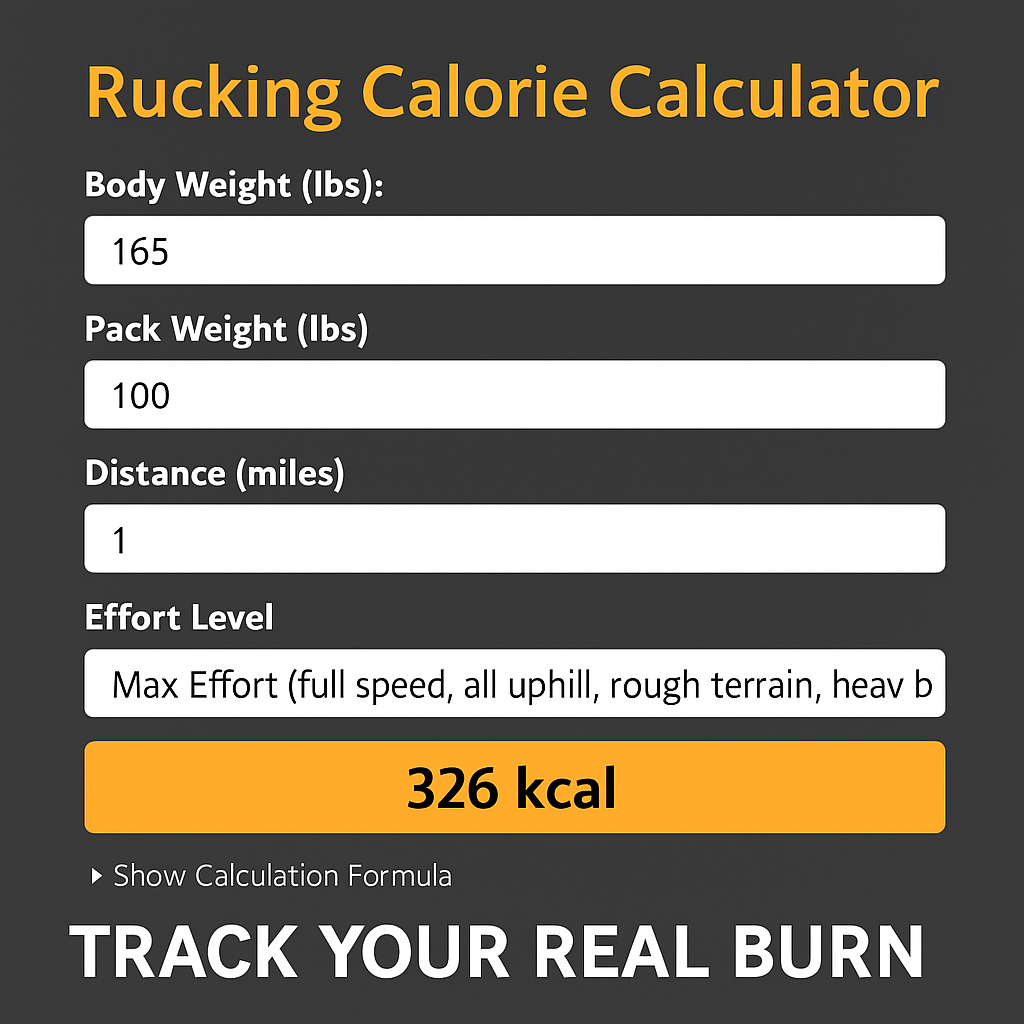
Curious how many calories your weighted walks or stair sessions burn? Use the Rucking Calorie Calculator below to estimate effort with your bodyweight, distance, pace, and load.

Who the Kensui EZ Vest is best for
- Lifters who want barbell-like progression using bodyweight patterns.
- Home-gym athletes with limited space who still want serious loading.
- Calisthenics athletes bridging from high-rep to low-rep strength work.
Bottom line: if you want a vest that preserves joint-friendly mechanics while allowing loads heavy enough to drive strength and muscle, the Kensui EZ Vest is a smart, scalable investment.