Why choose a low profile weighted vest?
Low profile weighted vests compress weight close to the torso and reduce bounce, chafing, and interference with natural movement. For walkers, ruckers, and athletes who need to layer gear or wear a pack over the vest, a slim, contoured design makes longer sessions far more comfortable without sacrificing load. In practical terms: you move more naturally, get better posture carry, and can train longer with fewer hotspots.
What to look for in a low profile vest
When shopping for a low profile weighted vest, prioritize these features:
- Adjustable, evenly distributed weight pockets so the load sits snugly on your sternum and upper abdomen.
- Low-bulk materials and a tapered cut that won’t jam under backpack straps.
- Secure closure system—wide straps, Velcro, or buckles that stop migration of plates.
- Durable stitching and breathable fabric to reduce chafe during long walks.
Use cases where low profile wins
Low profile vests are especially useful for:
- Walking and rucking with a separate pack—no interference with hip belts.
- Layered outdoor training where you need a base layer under outerwear.
- High-rep calisthenics and running strides where excess movement of the load reduces efficiency.
Product suggestion: comfortable, low-bulk options
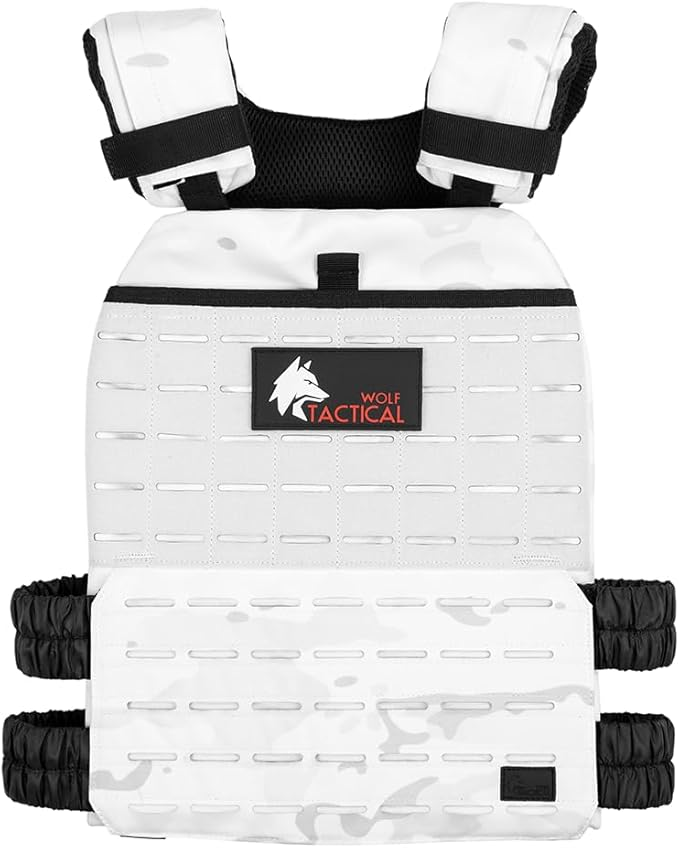
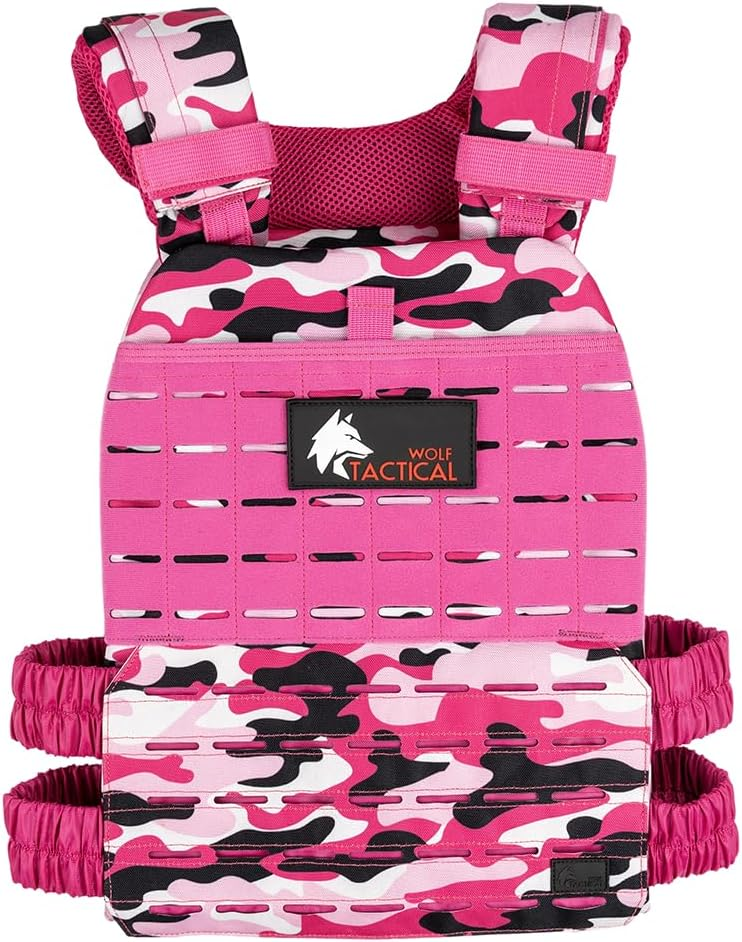
For most people looking for a slim, comfortable vest, the Wolf Tactical Simple Weighted Vest is a reliable, affordable option. It sits close to the body and keeps plates tight to reduce slosh. You can check it directly here: Wolf Tactical Simple Weighted Vest (Men/Women).

How to integrate a low profile vest into your routine
Start with lighter loads and build tolerance. A low profile vest lets you progress volume before adding mass. A sample progression:
- Week 1–2: 10–15 minutes walking with 5–10% bodyweight to acclimate.
- Week 3–6: Increase to 30–60 minutes with 10–15% bodyweight, focus on posture and breathing.
- Weeks 7+: Add intensity via hills, intervals, or a backpack over the vest for specific load carriage training.
Measure results: use a calorie calculator
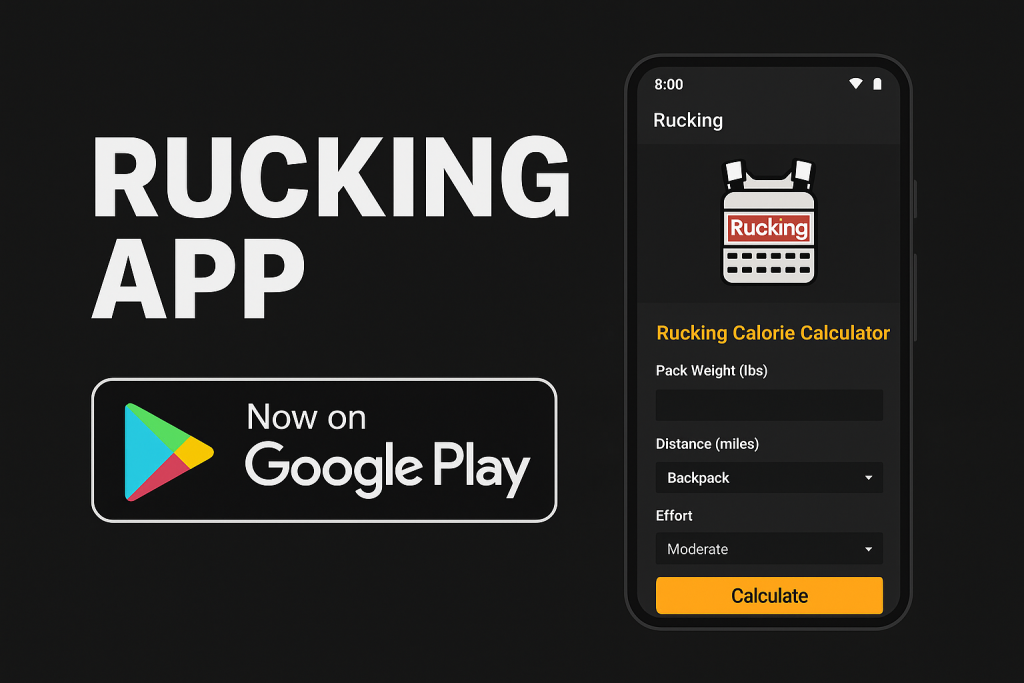
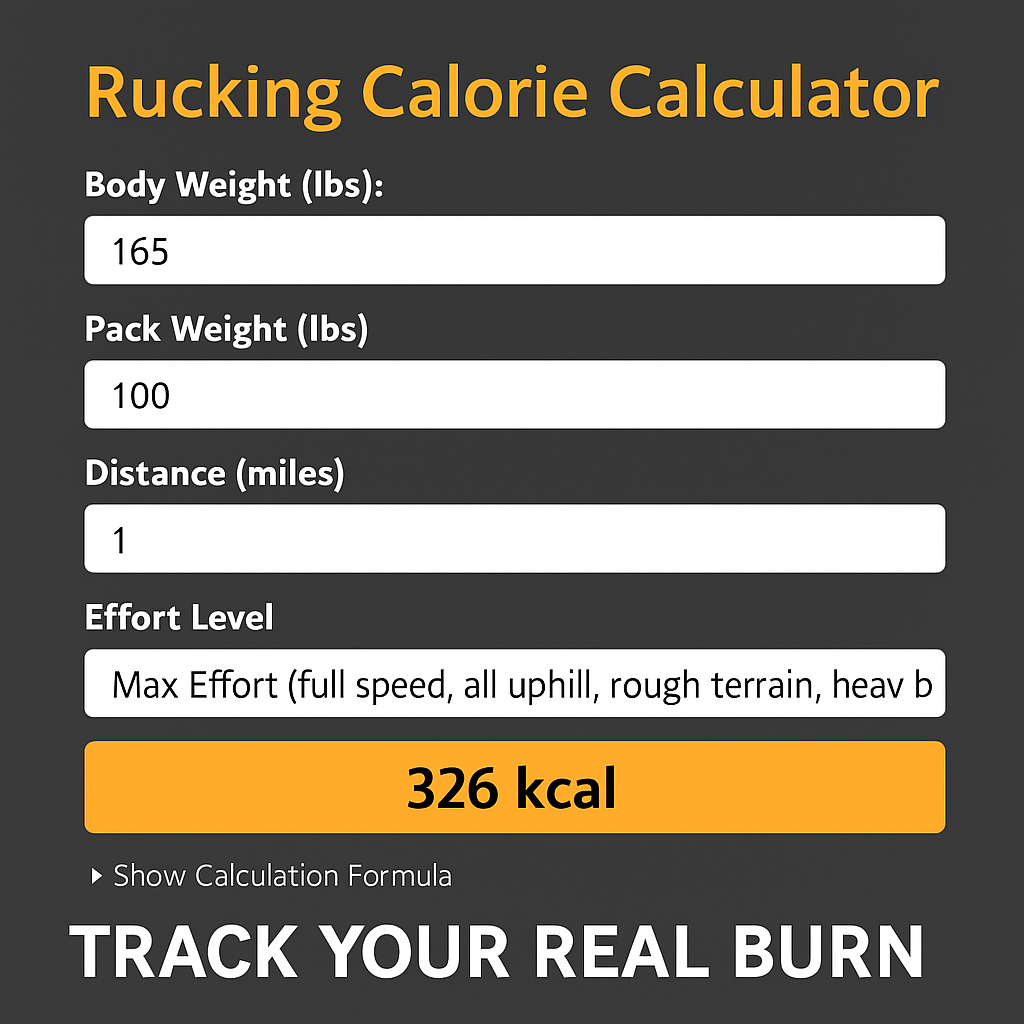
To estimate calorie burn from weighted walking or rucking with a low profile vest, use the Rucking Calorie Calculator. It factors weight, pace, distance, and carried load to give a realistic estimate you can track session to session.

Comfort tips and common mistakes
Common errors are starting too heavy, letting plates ride high on the chest, and ignoring hotspots. Fix those by trimming weight, repositioning plates lower and centered, and using thin base layers or anti-chafe balm. A low profile vest reduces many of these issues, but it doesn’t replace common-sense progression.
Low profile weighted vests are a practical tool for steady fat loss, improved work capacity, and durable conditioning. They pair well with a lightweight rucksack or hydration pack when your goal is longer distance under load. Keep loads sensible, track sessions with the calorie calculator, and prioritize comfort—your training will scale more consistently that way.