Why choose a military weighted vest with plates?
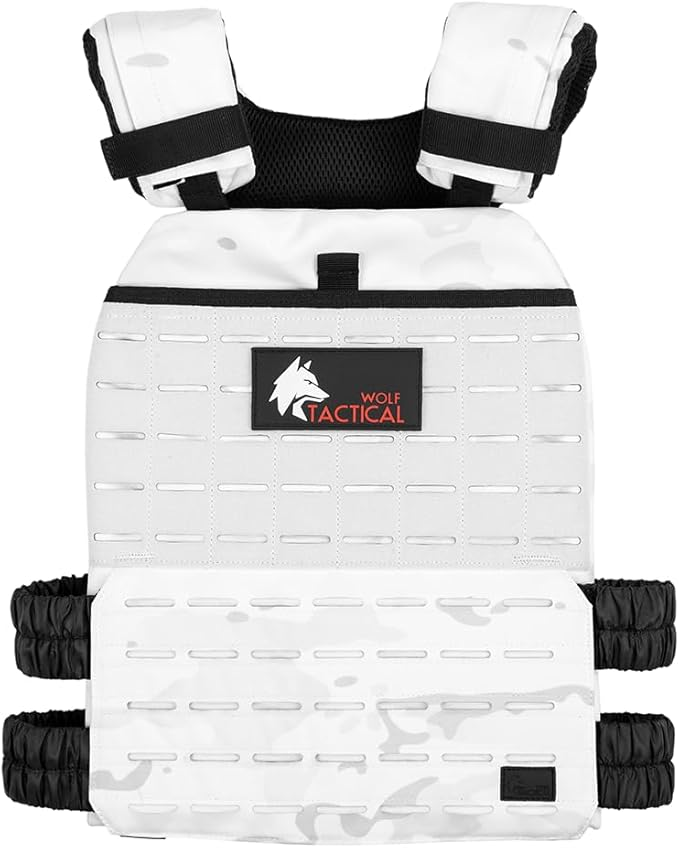
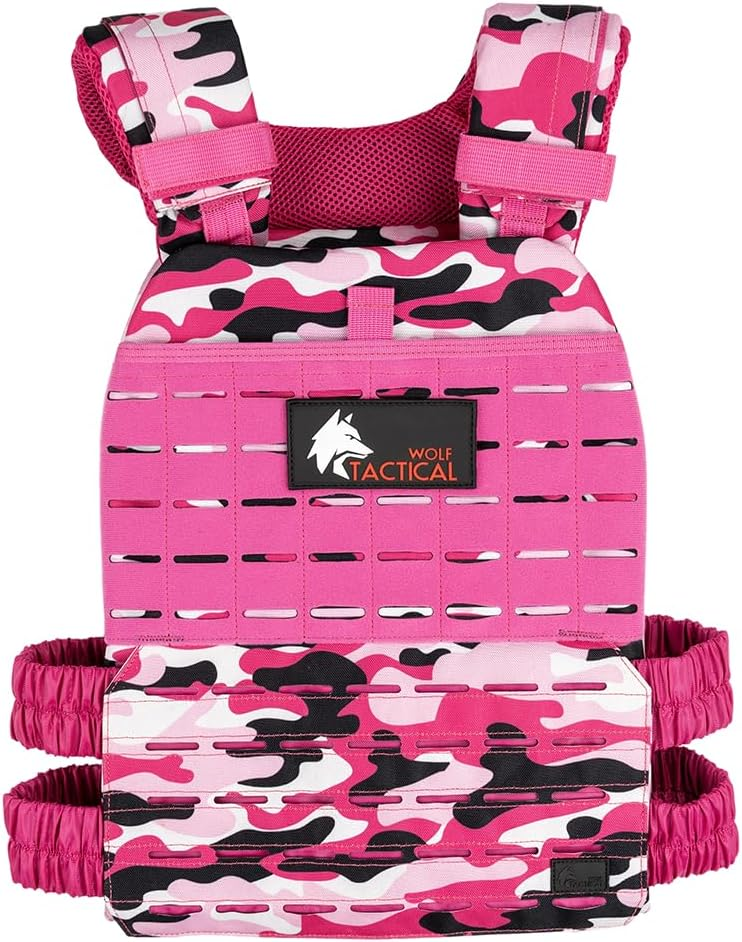
A military-style weighted vest with plates is built for heavy, repeatable loading and modularity. Plates let you adjust load precisely, keep weight centered, and swap hardened steel or composite plates for durability during rucking, calisthenics, and tactical conditioning. If you train with high external loads, plate systems outperform soft-fill vests for stability and longevity.
Who should use plate carriers?
Plate carriers are best for athletes who want to: structured progressive overload, simulate tactical carry, or load for long rucks while keeping movement patterns tight. They are not the first choice for beginners who need comfort and slow introductory loading—start light, then transition to plates as you accumulate volume.
Fit, comfort, and safety checklist
- Chest and torso fit: the carrier should sit high on the sternum but not impede breathing.
- Plate size and contour: choose plates that match your torso and activity—rounded edges reduce pressure points.
- Padding and straps: durable padding prevents chafing and keeps plates from shifting during dynamic movements.
- Progressive loading: add no more than 5–10% of your bodyweight per 2–4 weeks for sustained adaptation.
- Movement quality: prioritize technique for squats, carries and pull-ups before increasing plate mass.
Programming tips for plate-based vests
Balance rucking, strength and mobility. Use the plate carrier for heavy carries, short tempo rucks and weighted calisthenics. A simple week might be:
- 2 strength sessions (squat, hinge, presses) with vest for 2–4 sets of lower reps.
- 1 long ruck or loaded walk with plate carrier at conversational pace.
- 1 mobility and unloaded technique day to protect shoulders and spine.
Maintenance and plate selection
Keep plates dry and inspect for cracks. Ceramic or steel plates offer different profiles—steel is thinner and durable; ceramic is lighter for the same rating but more fragile on impact. Buy plates rated for the purpose you plan: training plates are fine for conditioned athletes, while tactical-grade plates are heavier and meant for ballistic protection (unnecessary for fitness rucking).
Recommended products (real-world options)
For heavy calisthenics and maximal plate-based loading, I often point experienced lifters to the Kensui EZ-VEST® MAX V2 because it supports very high loads without compromising movement patterns.

For rucking where you want plate-style stability and a proven platform, the GORUCK Ruck Plate Carrier 3.0 is a reliable option—durable, modular, and built to move while loaded.

Real-world perspective
I talk from experience and coaching: founder Preston Shamblen lost 90 lbs through rucking, weighted-vest training, and disciplined nutrition, and still recommends plate-capable gear for athletes who need consistent, measurable loading. Keep programming conservative when you transition to plates—stability is earned, not assumed.

Calculate calorie burn and load effects
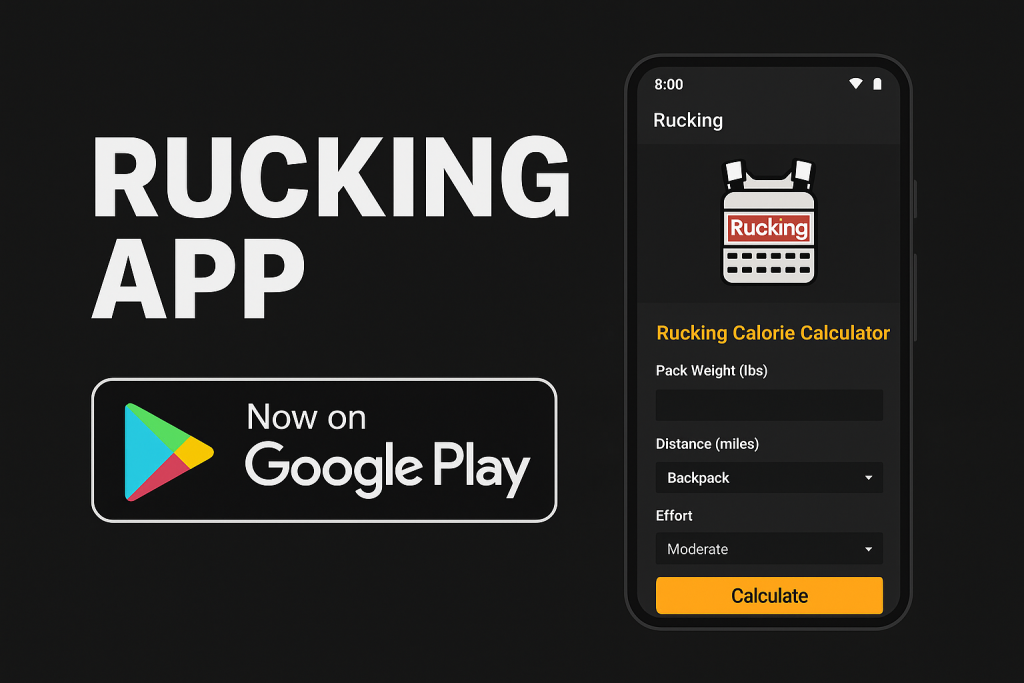
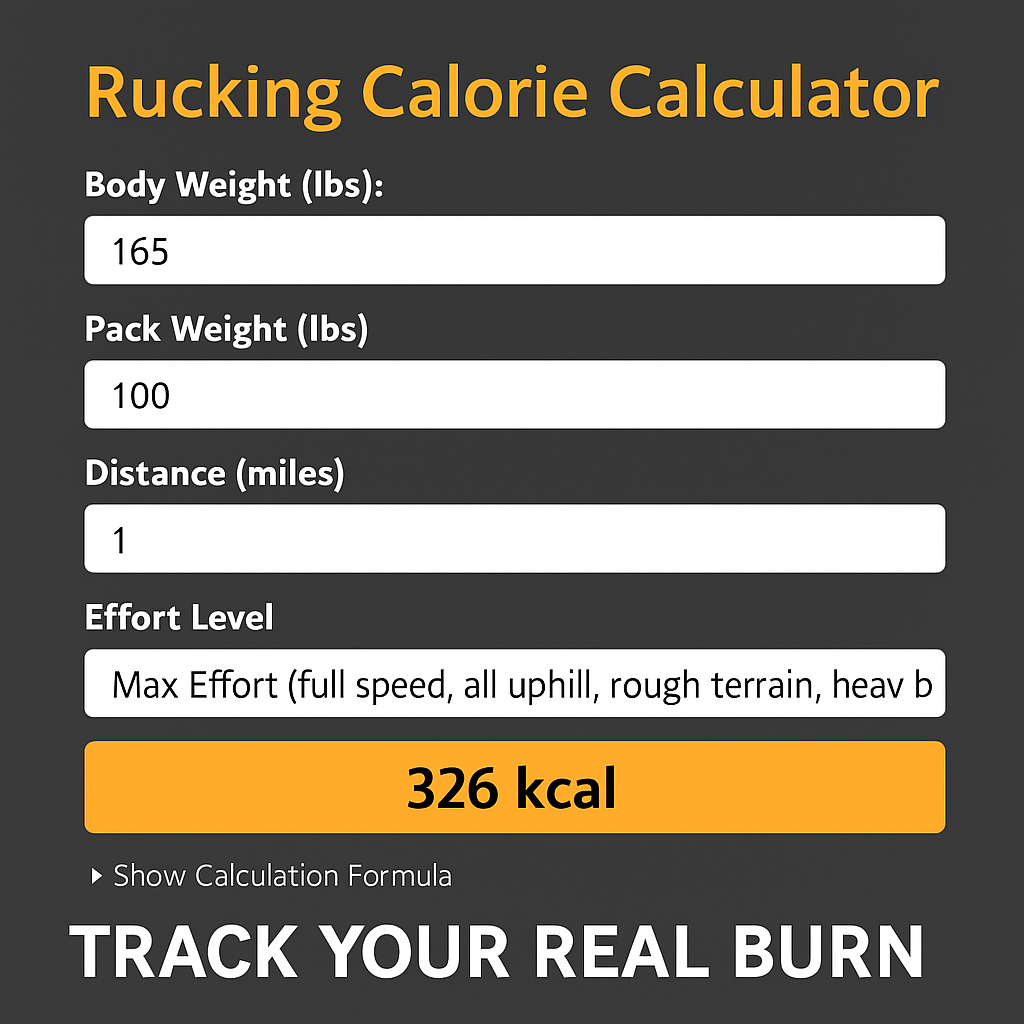
Estimate how plate weight changes your calorie burn and pacing with the rucking calorie calculator. It helps dial in target effort for rucks and loaded walks so you progress without overreaching.

Final checklist
- Match plate size to your torso and activity.
- Prioritize breathing and technique before adding mass.
- Rotate load types—carry, sprint, ruck—to build resilient conditioning.
- Inspect plates and carrier regularly for wear and fit drift.
Use plate carriers when your training demand justifies the extra stability and durability. Start conservative, track progress, and use reliable gear that fits your body and mission.