Why the MIR Air Flow weighted vest matters for real training
The MIR Air Flow weighted vest is designed around breathability and comfort — two things that determine whether a vest gets used or stays in the closet. I write from the perspective of a trainer and long-time rucker: ventilation, trusted fit, and predictable loading make the difference between a 20‑minute walk and a repeatable, daily conditioning habit.
What “air flow” changes for your workouts
Vests with purpose-built airflow channels reduce heat buildup, chafing, and the tendency to hike posture forward as your chest gets hot. That matters whether you’re doing short HIIT sets, long rucks, or loaded walking around town. The MIR Air Flow approach focuses on keeping core temperature manageable so you can stay consistent.
Fit, feel, and how to choose a weight
Fit determines utility. A vest that rides up, bounces, or concentrates load on one area will force you to compensate in movement and posture. When you demo a MIR Air Flow or similar vest, check these points:
- Shoulder strap width — wider straps spread load across traps and reduce hotspotting.
- Torso wrap — the belly band should lock the vest in place without over-compressing breathing.
- Modular loading — plates or sand pouches that let you add or remove 2–5 lb increments are ideal for progression.
For most people starting out, 5–10% of bodyweight is a sensible first week; move up slowly. If you’re doing repeated rucks or long walks, add small increments (2–5 lb) every 1–2 weeks, depending on recovery and performance.
Training templates that work with an airflow vest
- Short walk + tempo: 30–45 minutes at conversational pace, finish with 5 minutes of brisk walking.
- Conditioning ladder: 3 rounds — 5 min steady, 2 min brisk, 1 min power walk, rest 90s.
- Strength hybrid: 2–3 sets of bodyweight squats or lunges between 10–20 minute loaded walks.
How many calories will you burn?
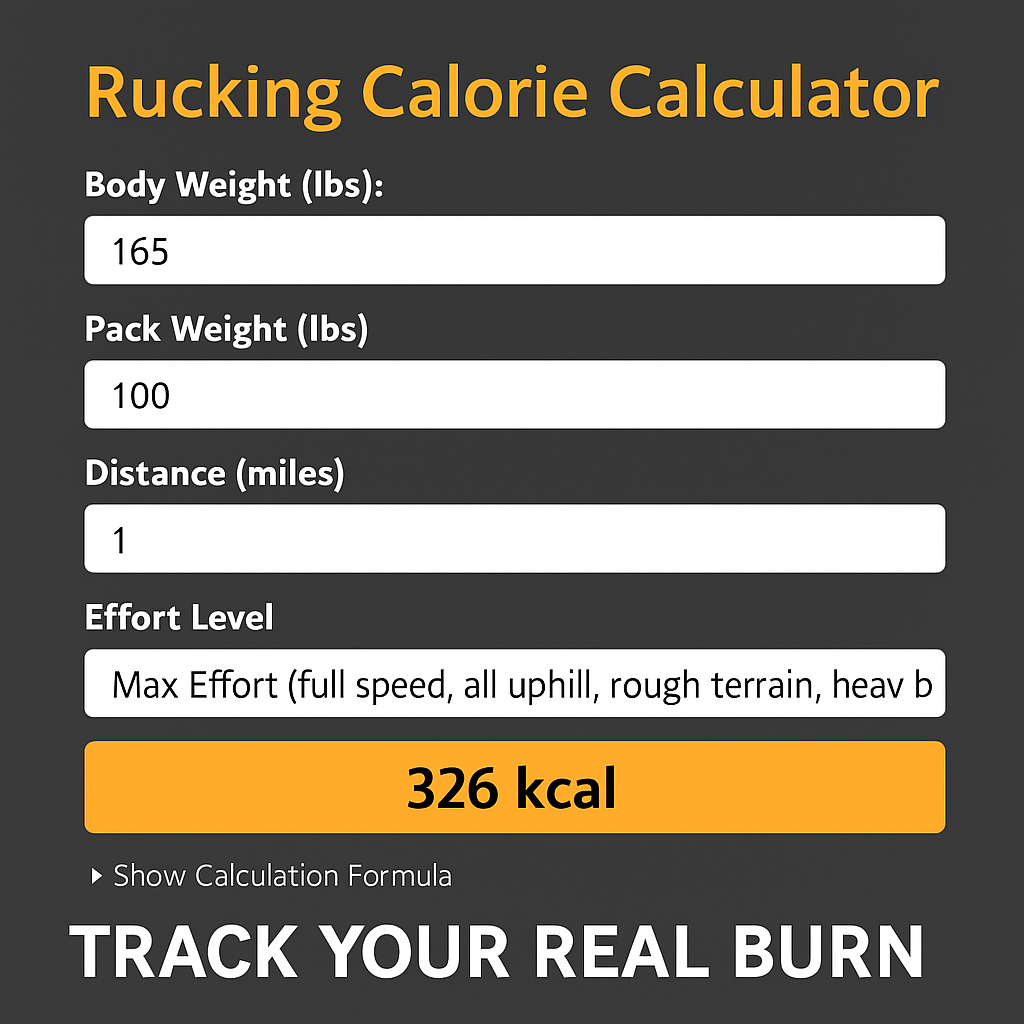
Calorie burn depends on weight, pace, terrain, and vest load. Use the Rucking Calorie Calculator to estimate your session burn and tailor your plan. Click the screenshot below to open the calculator and plug in your numbers.

Recommended gear to pair with a MIR Air Flow vest
For comfort-focused training, I often recommend a simple, ventilated vest or a hydration-enabled rucksack for longer sessions. Two practical options to consider:

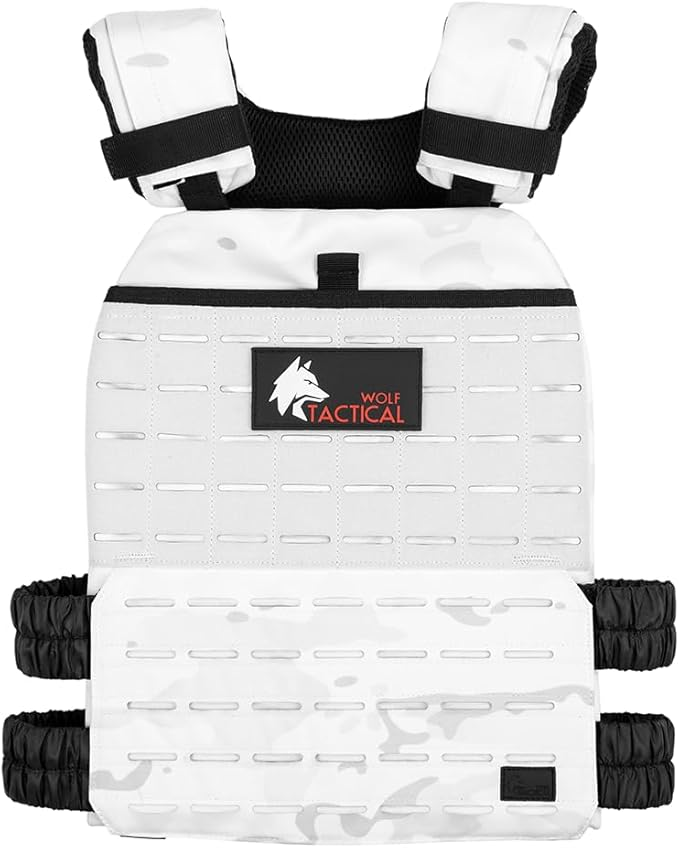
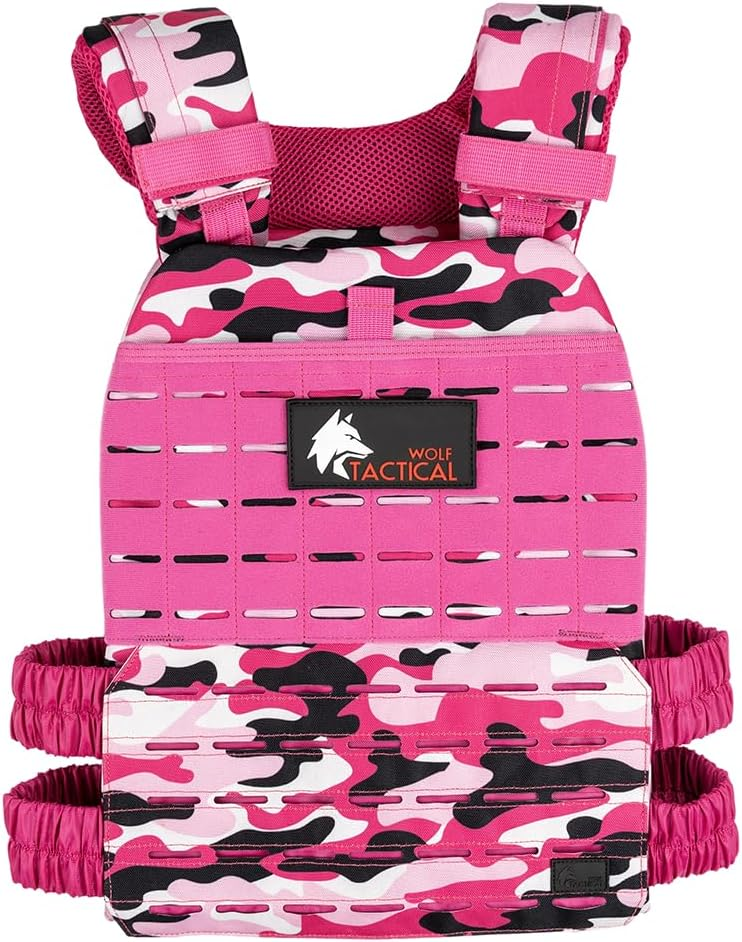
Compare vendor specs and sizing when you shop. The WOLF TACTICAL Simple Weighted Vest is a reliable, budget-friendly option if you want a breathable, no-frills design.

If you plan longer rucks or need hydration on the move, consider the CamelBak Motherlode for a durable pack that plays well with ventilated vests.
Final practical tips
Break in any MIR Air Flow style vest with short sessions, focus on posture, and track how heat, chafe, and breathing change as you add weight. I lost 90 lbs through rucking, weighted‑vest training, and disciplined nutrition, and I still recommend weighted vests as one of the most reliable ways to maintain a lower body weight and burn fat consistently.
Use the calorie calculator above, start light, and prioritize comfort — if you can wear the vest daily without pain, you’ll get the consistent sessions that produce results.