If you’re considering a MiR weighted vest, you’re likely after a compact way to increase training intensity for walking, rucking, and calisthenics. Below is a practical guide to fit, loading, how to use a vest safely, and a couple of proven alternatives if the MiR cut or strap layout doesn’t feel right for you.
What to know about the MiR weighted vest
Fit and adjustability
MiR vests are known for modular weight blocks and high total capacity. The upside is fine-tuned progression. The trade-off for some bodies is bulk around the torso and less ventilation in hot weather. Like any vest, fit matters more than the logo: you want the load high and tight on your center of mass, minimal bounce, and no pressure on the neck or collarbones.
Weight selection and progression
- Walking/rucking: start with 5–10% of bodyweight. Keep strides natural and posture tall.
- Hills/intervals: 6–12% of bodyweight; shorter sessions, longer recoveries.
- Calisthenics (push-ups, squats, pull-ups): 6–15% of bodyweight depending on movement mastery.
- Progression: add 2–5 lb every 1–2 weeks, or add 5–10 minutes of time before raising weight.
Avoid running at first; build tendon tolerance with brisk walking and controlled strength moves. Prioritize smooth breathing over speed.
Reliable alternatives if MiR isn’t your best fit
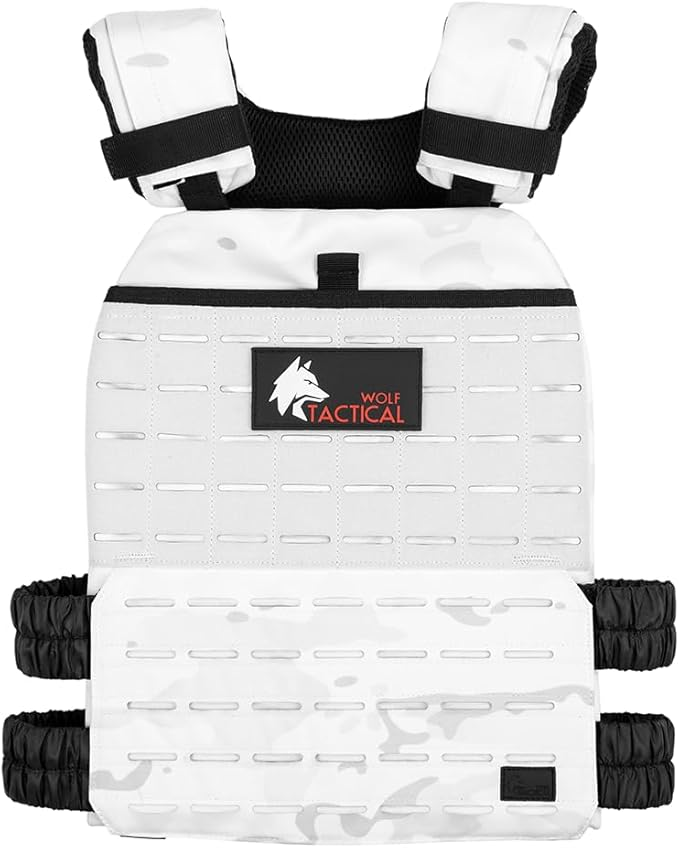
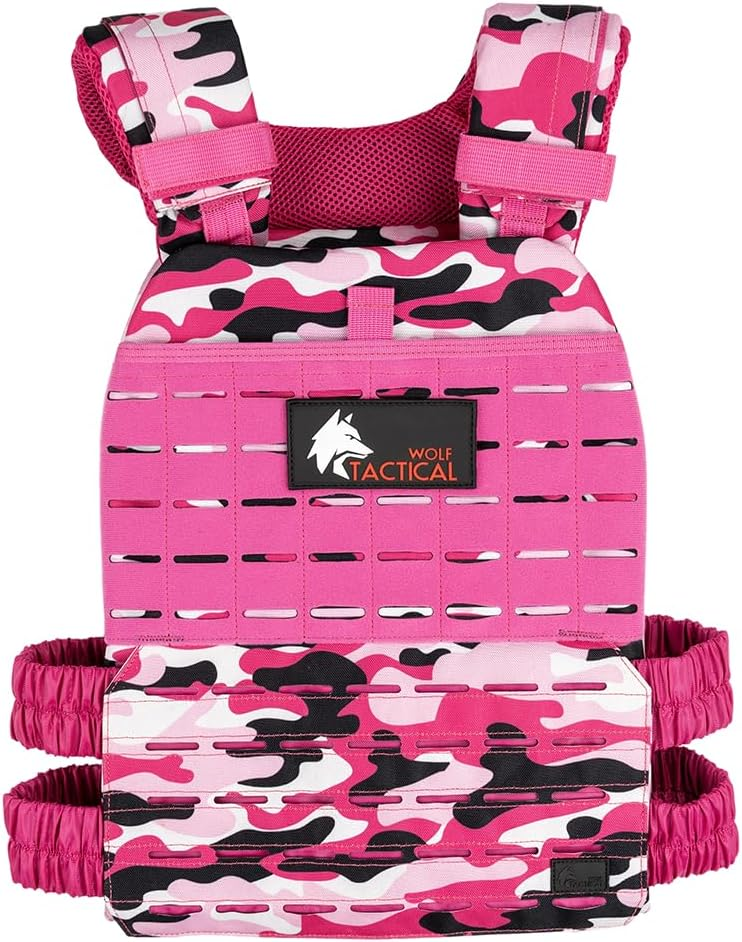
If you want a cooler vest with easy plate changes, the Wolf Tactical Adjustable Weighted Vest is a solid, budget-friendly option with good airflow and simple strap tuning.

For longer sessions or if you’re sensitive to shoulder pressure, the 5.11 Tactical TacTec Trainer Weight Vest offers excellent padding, durable construction, and a stable ride that reduces bounce during stairs, hills, and circuits.

Programming ideas
- 20–30 min brisk walk, 2–3x/week at 5–8% bodyweight. Add 5 min every week until 45–60 min feels smooth.
- Hill repeats: 5–8 climbs of 60–90 seconds. Walk down easy. Keep posture tall; no leaning from the waist.
- Calisthenics circuit: 4 rounds of 8–12 push-ups, 8–12 squats, 20–30 second plank, 30–60 second walk. Rest 60–90 seconds between rounds.
- Strength finisher: After your lift, 10–15 minutes of vest walking for low-impact conditioning.
Estimate your calorie burn
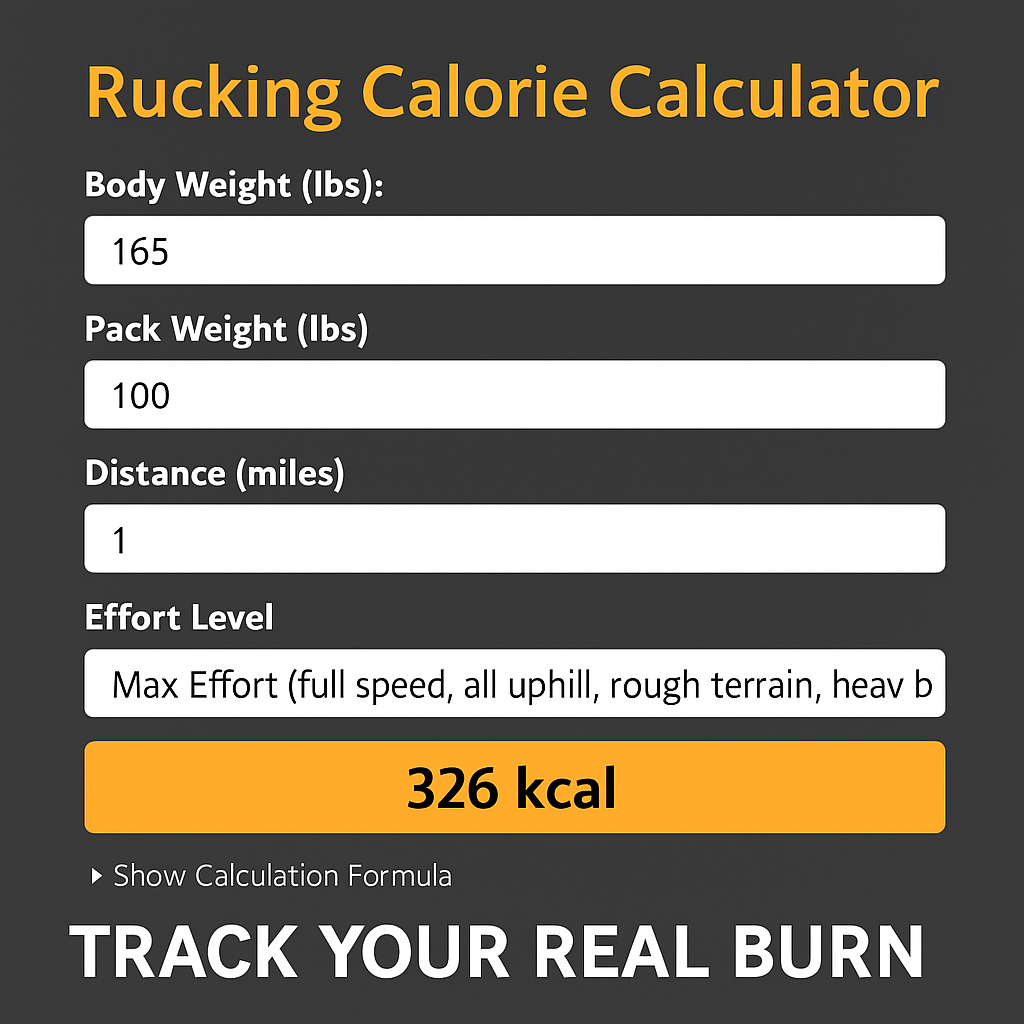
Curious how much energy you’re spending with a vest? Use this calculator to estimate calories based on your pace, distance, time, and load.
Rucking and Weighted-Vest Calorie Calculator

Safety and comfort tips
- Position the vest high and snug; tighten side straps evenly to prevent sway.
- Keep shoulders down and back; ribs stacked over hips—no forward slump.
- If knees or low back complain, reduce load and increase time instead.
- Train in heat with caution; choose breathable fabrics and sip fluids regularly.
- Log sessions and progress one variable at a time—time, distance, or weight.
Bottom line: a MiR weighted vest can work well if the fit suits your frame. If it feels bulky or hot, try the airflow and strap comfort of the Wolf Tactical or the highly padded stability of the 5.11 TacTec to keep training quality high and recovery smooth.