Why the most comfortable weighted vest matters
Comfort is the top variable that determines whether you use a weighted vest consistently. A vest that fits poorly causes chafing, hot spots, and compensatory movement that ruins posture and reduces training efficiency. This guide focuses on practical fit, padding, and ventilation so you can choose the most comfortable weighted vest for long walks, daily conditioning, or regular rucking.
Key comfort features to prioritize
- Adjustable fit — shoulder and waist straps that lock the load against your torso without pinching.
- Padded contact points — soft shoulder and sternum pads reduce pressure on bones and soft tissue.
- Load distribution — internal plate pockets or evenly spaced sand/plate pockets spread weight left-to-right and top-to-bottom.
- Breathability — mesh back panels and low-bulk shells reduce sweat buildup on longer efforts.
- Range-of-motion — armholes and torso cut should allow normal walking, climbing, and shoulder movement.
How to test a vest for comfort before committing
Even the best specs mean little without testing. Try these steps in order:
- Wear the vest with a light load for 10–15 minutes while walking briskly to identify hot spots.
- Load it progressively: start at 10–20% bodyweight and add until you reach your target training load.
- Check for pressure over the neck, collarbone, underarms, and lower ribs—these are common problem zones.
- Practice putting it on and off; a vest that’s a pain to don will stay in the closet.
Top comfortable vest choices (what I look for)
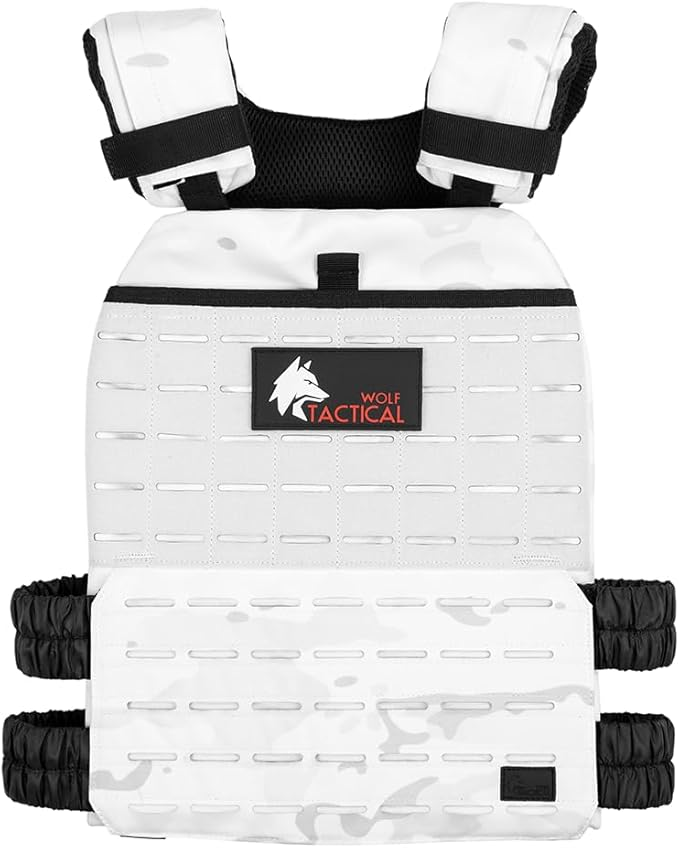
For everyday comfort and beginner-friendly wear, soft padding, and flexible adjustment are the priority. Two dependable options I recommend testing are the WOLF TACTICAL Simple Weighted Vest and the 5.11 TacTec Trainer Weight Vest. Both are built for repeatable comfort on walks and rucks while providing useful load options.

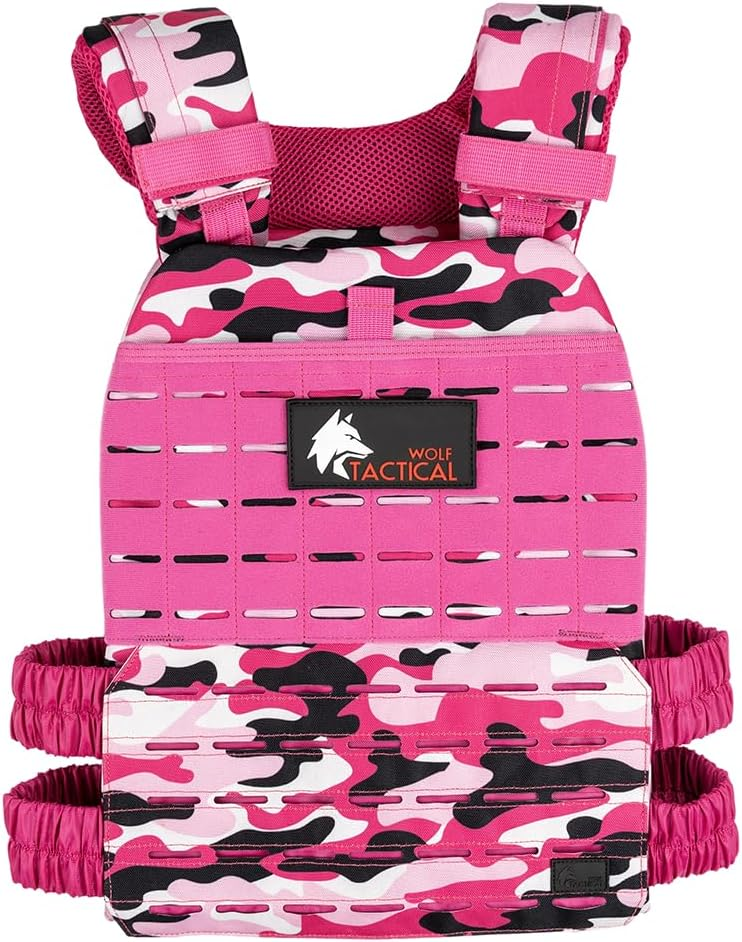
WOLF TACTICAL Simple Weighted Vest is worth trying when comfort and daily use are the priority. It has soft shoulder padding and a slim profile that reduces chafe during long sessions. Try the vest with lower loads first and dial in the waist tension.

The 5.11 TacTec Trainer Weight Vest provides durable padding and a stable fit that reduces bounce. It’s a great middle ground if you want a vest that handles both walks and higher-intensity intervals without excessive bulk.
Practical setup tips to maximize comfort
Use these quick adjustments to make any vest more comfortable:
- Place thin adhesive moleskin over hotspots to prevent rubbing during break-in.
- Move heavier plates lower on the torso to prevent shoulder overload and improve posture.
- Wear a moisture-wicking base layer; cotton traps sweat and increases friction.
- Break in new vests with short sessions and gradually increase duration.
Estimate your calorie burn while training
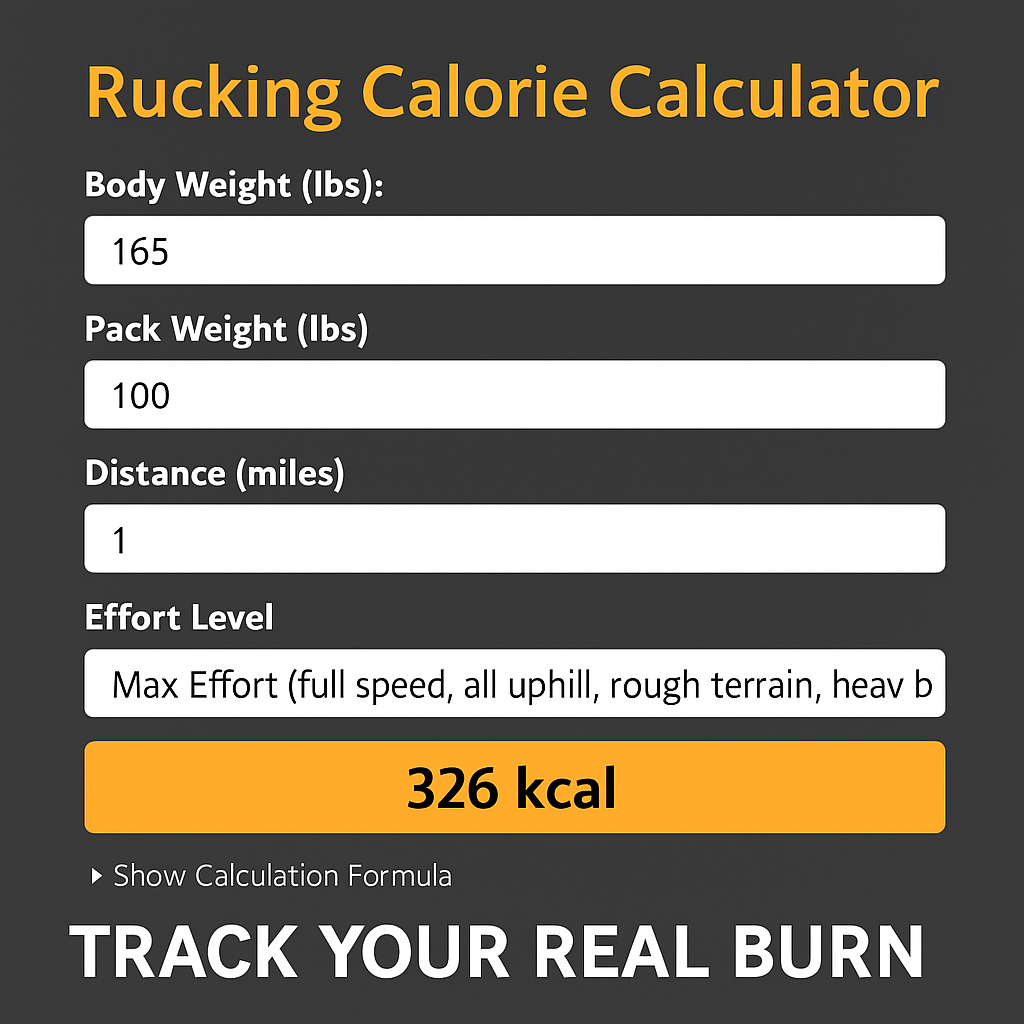
Knowing how many calories you burn while wearing a vest helps plan recovery and nutrition. Use this rucking calorie calculator to estimate energy expenditure for weighted walks and rucks:
Open the rucking calorie calculator

Final guidance
Comfort is personal—try before you buy when possible and prioritize padding, adjustable fit, and breathability. A comfortable vest gets used; a painful one does not. Start light, adjust placement, and treat the vest like any piece of performance gear: test it in short sessions, refine fit, and you’ll find the most comfortable weighted vest for your routine.