The Murph vest is a weighted vest used to perform the classic Memorial Day hero workout: 1-mile run, 100 pull-ups, 200 push-ups, 300 air squats, 1-mile run. The typical standard is 20 lb for men and 14 lb for women. Whether you’re chasing a PR or completing your first Murph, choosing the right vest and training smart will make the workout safer, faster, and more repeatable.
What makes a good Murph vest
A great Murph vest fits snug, distributes weight evenly, and lets you breathe and move freely. Key features to look for:
- Secure fit with minimal bounce across runs and high-rep calisthenics.
- Even weight distribution front/back to protect shoulders and low back.
- Breathable materials and open cut for chest expansion and pull-up range of motion.
- Simple plate loading and reliable closures so nothing shifts mid-set.
Proven gear picks
If you prefer a durable plate-carrier style, the 5.11 Tactical Unisex TacTec Trainer Weight Vest is a staple for Murph because it rides close to the torso, stays stable on runs, and allows full arm swing.

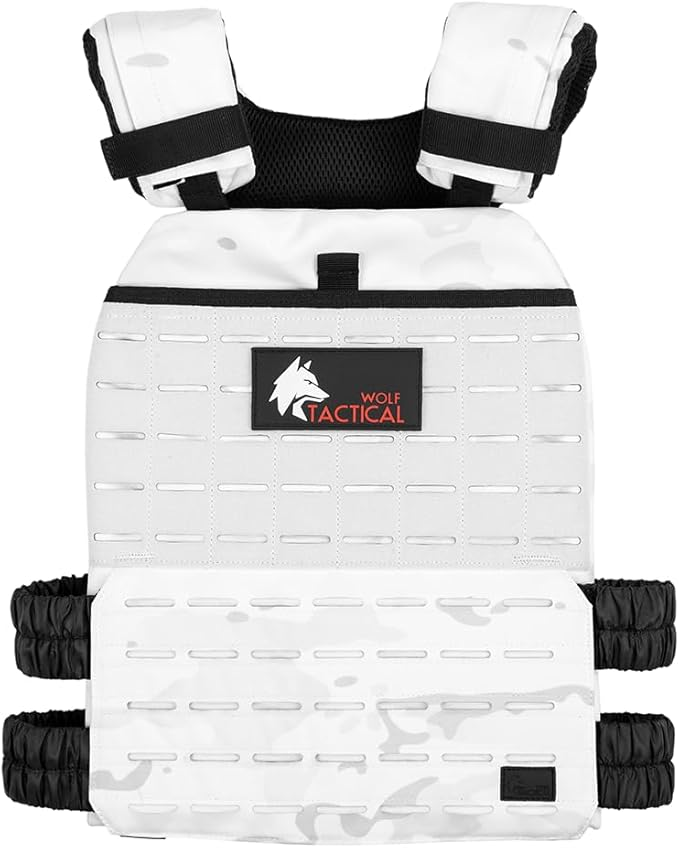
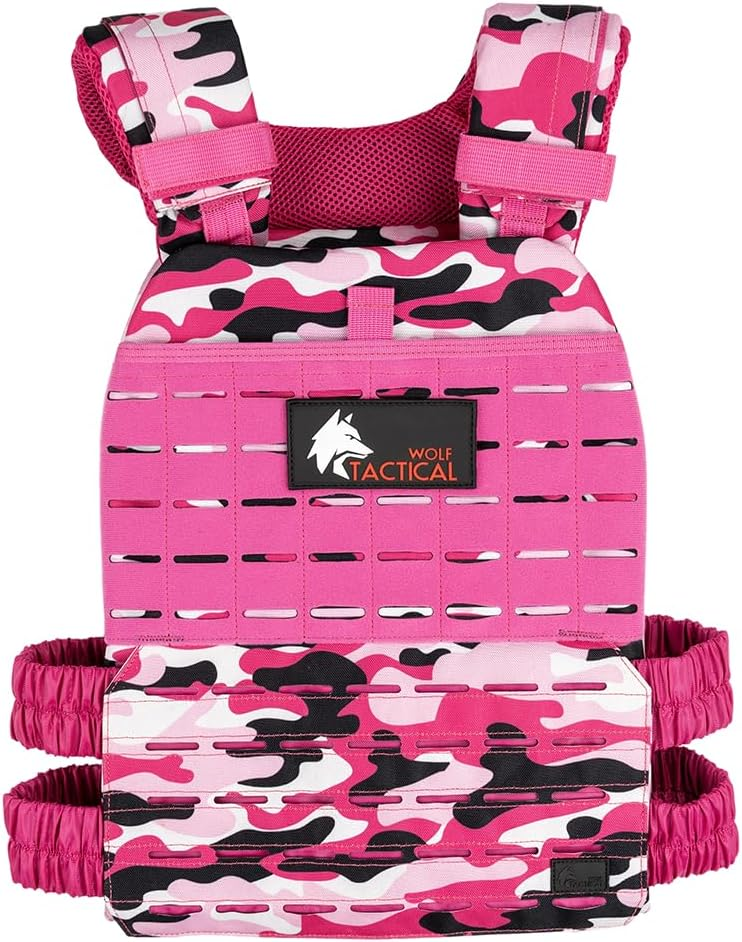
Pair your carrier with balanced plates. The WOLF TACTICAL Weight Vest Plates (pairs) offer multiple weight options to hit 14 or 20 lb targets precisely.

Selecting plates and the right load
Murph loads are typically fixed to 20 lb (men) and 14 lb (women). If you’re building up, scale wisely:
- Start with bodyweight Murph or a 10 lb vest if your strict pull-ups are not consistent.
- Use matched front/back plates for even distribution; avoid all weight on one side.
- Choose steel plates for a slim fit that reduces wobble on the run.
Confirm total system weight (vest + plates) equals your intended load. Weigh it on a home scale to be sure.
Training progressions for a faster, safer Murph
Vested Murph exposes any weak links. Build capacity in steps:
- Establish baseline: complete “Cindy” intervals (5 pull-ups, 10 push-ups, 15 squats) for 20 minutes without a vest. Then add 10 lb and repeat on another day.
- Volume build: accumulate 50–70% Murph reps in partitions (e.g., 10 rounds of 5-10-15) with the vest, keeping clean reps and steady breathing.
- Run tolerance: practice 800 m repeats with the vest focusing on short stride, tall posture, and quiet foot strikes.
- Full rehearsal: once you own the volume, do a 1-mile run + 10–15 rounds of 5-10-15 + 1-mile run at submax pace.
Partitioning is your friend. Most athletes PR with 20 rounds of 5-10-15. Keep transitions short, shake out the arms briefly before pull-ups, and protect your push-up quality—broken reps waste energy.
Injury prevention and technique tips
- Pull-ups: kip only if your shoulders are prepared. Strict or banded is fine for safety and quality.
- Push-ups: maintain a solid plank and full depth. Switch to smaller sets early (e.g., 5s) to prevent failure.
- Squats: hips below parallel, knees track over toes, keep the vest centered to avoid forward lean.
- Runs: keep a compact cadence (170–180 steps/min), breathe through the nose as much as possible to control pace.
- Chafing control: wear a breathable base layer, tighten the vest to eliminate bounce, and use body glide on high-friction spots.
Estimate your calorie burn with your vest
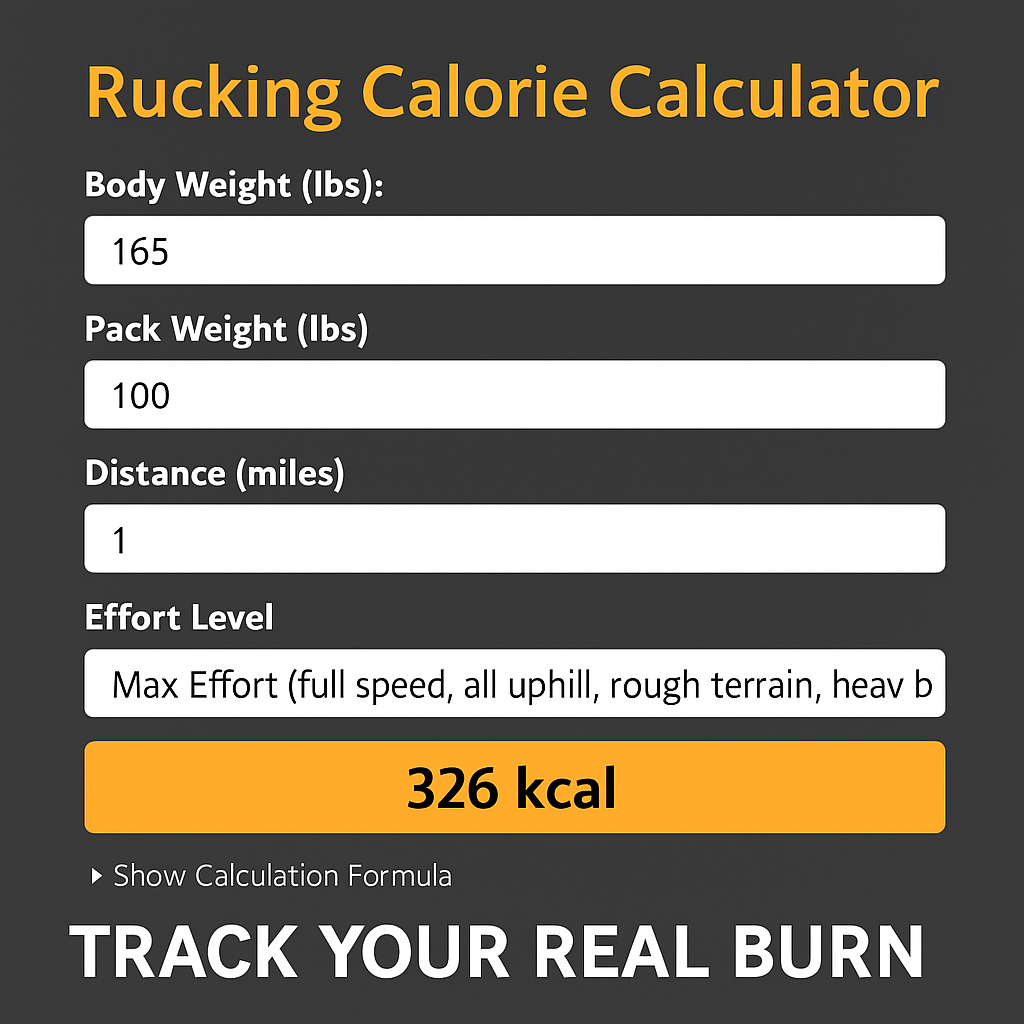
Curious how many calories your Murph effort burns with a 14–20 lb load? Use this calculator to estimate output and plan fueling.

Quick checklist
- Vest fits snug with balanced plates.
- Partition 5-10-15 and keep transitions tight.
- Break push-ups early; protect movement quality.
- Practice vested runs to dial stride and breathing.