The Murph is a hero workout built around grit and smart pacing. If you’re adding a weight vest, getting the load, fit, and strategy right matters as much as your engine. Here’s how to choose the right load, keep it secure, and scale intelligently so you can finish strong and stay healthy.
What weight should you use for Murph?
Competition standards are 20 lb for men and 14 lb for women. Those standards are appropriate for experienced athletes who can perform strict pull-ups and sustained push-up and squat volume without the vest. If you’re new to weighted calisthenics, scale thoughtfully:
- Beginner: Bodyweight (no vest) or 6–10 lb.
- Intermediate: 10–14 lb with strict movement standards.
- Advanced: 14–20 lb, depending on your pull-up strength and running tolerance.
Progression tip: Earn the vest by hitting the full volume bodyweight first with repeatable form, then add 10% of bodyweight or the next logical step toward 14/20 lb.
Fit and comfort: lock the vest down
A loose vest magnifies impact on runs and pulls your shoulders forward on push-ups. Keep the load tight to your centerline and high on the torso so your hips and knees aren’t fighting a bouncing mass. Plate-style vests generally ride flatter and reduce chest bounce during runs and pull-ups.
The 5.11 Tactical Unisex TacTec Trainer Weight Vest is a proven option for Murph because it hugs the body and allows full shoulder elevation for pull-ups and overhead work.

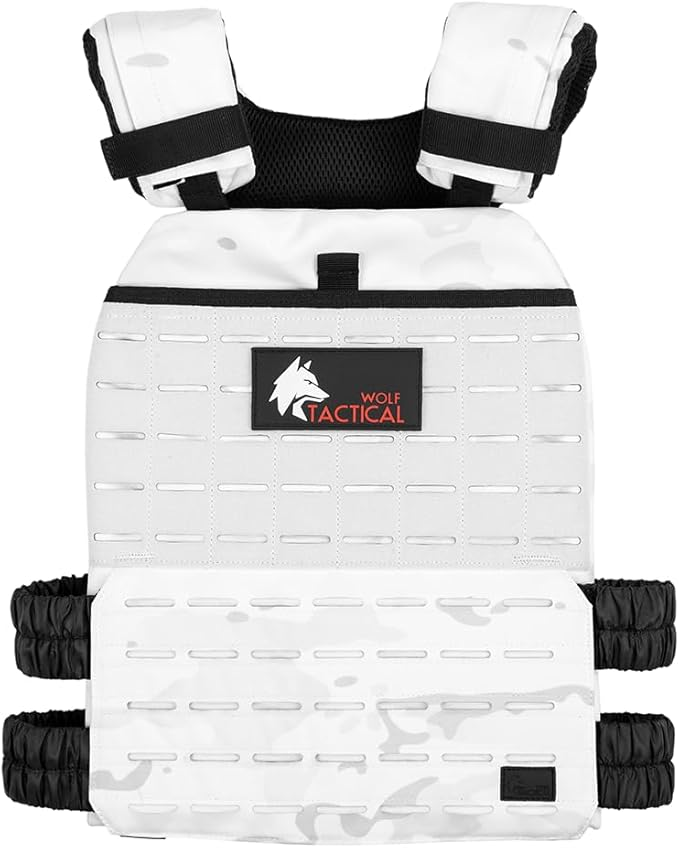
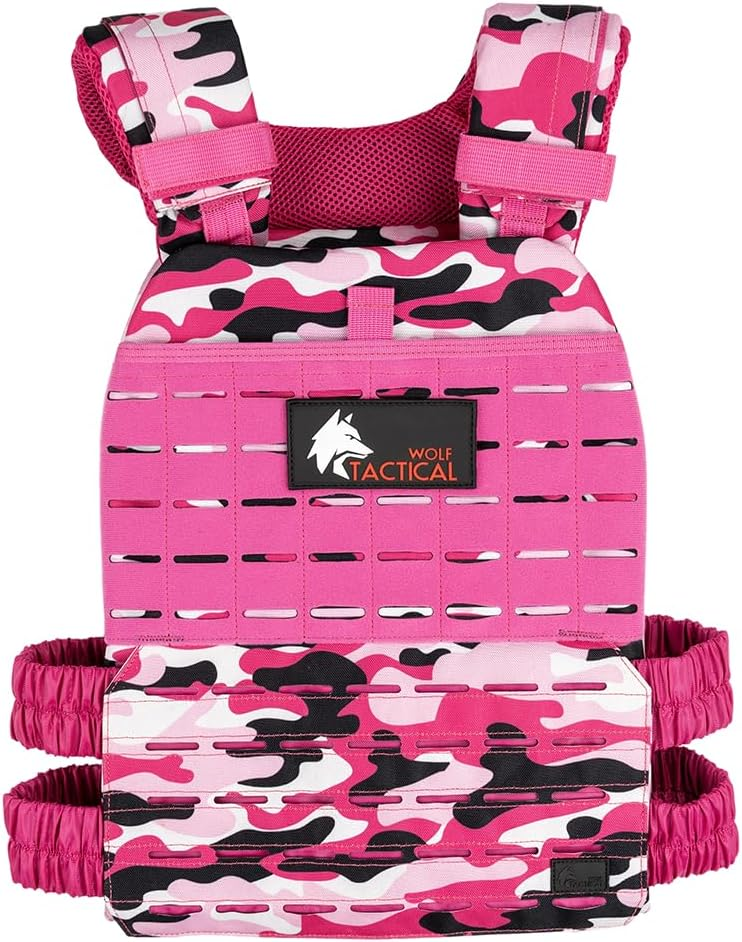
If you want a simpler budget-friendly setup, the WOLF TACTICAL Simple Weighted Vest (Men/Women) offers a snug profile that’s comfortable for longer runs and big-volume push-ups and squats.

Partitioning and pacing that works
Unpartitioned Murph is for advanced athletes. For most, partition the reps to maintain clean form and steady breathing. Two proven templates:
- 20 rounds of Cindy: 5 pull-ups, 10 push-ups, 15 squats. Keeps push-ups fresh and short.
- 10 rounds: 10 pull-ups, 20 push-ups, 30 squats. Fewer transitions; requires stronger push-up capacity.
Run pacing: open the first mile about 10–15% slower than your 5K pace. You should start round one breathing, not gasping. On the final mile, hold a strong, even stride—don’t sprint the first 200 meters and blow up.
Movement standards and technique
- Pull-ups: full hang, chin over bar. Use a grip you can repeat; avoid kipping until you can stabilize the vest.
- Push-ups: ribs tucked, chest touches the ground without flaring, no worming.
- Squats: hip crease below knee, heels down, torso tall. The vest encourages chest-forward posture—fight it with tight upper back and braced core.
Safety, scaling, and recovery
If you’re not hitting depth/lockout or your push-ups devolve into singles early, reduce the load or volume. Sub ring rows or banded pull-ups to protect shoulders. Break push-ups before you fail: quick sets of 5–10 reps with short rests beat grinding singles.
After the workout, walk 5–10 minutes, then prioritize upper-back and hip flexor mobility. Rehydrate and get in 0.6–0.8 g protein per lb of bodyweight over the day to support recovery from high-volume calisthenics.
Estimate your calorie burn with a vest
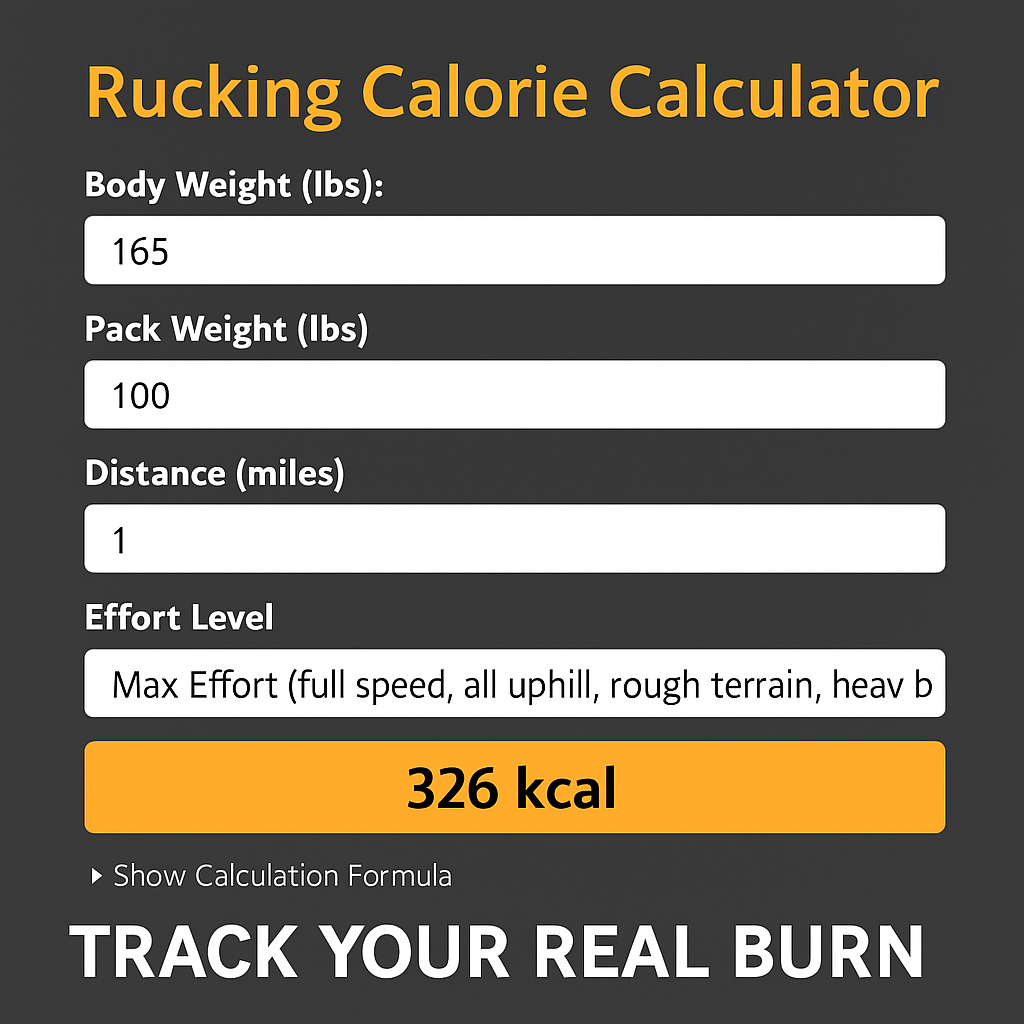
Running and high-rep calisthenics in a vest spikes energy use. Use the calculator below to estimate your burn based on bodyweight, pace, load, and time. It works well for weighted-vest training.

Quick checklist
- Load: 20 lb men / 14 lb women for Rx; scale down if form breaks.
- Fit: high, tight, and centered—no bounce.
- Partition: 20x (5/10/15) or 10x (10/20/30) for most athletes.
- Warm-up: shoulder activation, scap pulls, calf/hip prep for running.
- Recovery: easy walk, mobility, protein, and sleep.
Train consistently, keep standards honest, and let the vest weight reflect your current capacity—not your ego. You’ll finish faster, safer, and come back stronger next year.