Quick take on the Onnit weighted vest
The Onnit weighted vest is designed for functional conditioning and calisthenics, offering a balance between mobility and load. If you plan to use a vest for short, intense intervals or as an add-on for long rucks and walks, understanding fit, weight distribution, and comfort is essential to avoid injury and maximize performance.
Who should consider an Onnit vest?
Choose an Onnit vest if you want a tool that blends with bodyweight work, hill sprints, stair climbs, and shorter rucking sessions. It’s less ideal when you want to stack very heavy loads for long-distance military-style rucks — for that, a plate carrier or ruck backpack might be better.
Fit, stability, and programming
Fit dictates whether a vest becomes a training asset or a distraction. Look for a snug torso fit, adjustable straps, and even front-to-back weight distribution. When programming, use the vest in three primary ways:
- Progressive calisthenics: Add 5–20% bodyweight to pull-ups, push-ups, and squats for strength-endurance gains.
- Short conditioning sets: Use the vest for intervals, hills, and stair repeats to raise intensity without adding awkward bulk.
- Ruck hybrid days: Combine lighter vest loads with a proper ruck for mobility-focused long walks.
Practical setup tips
- Start light. Add 2–5% of bodyweight each week when comfortable.
- Fix soft tissue pain fast: adjust straps, reduce load, or swap exercises.
- Blend with a ruck: use the vest for upper-body-friendly carries and a proper pack for long distances.
Comfort and durability considerations
Materials and construction impact longevity. Look for reinforced seams, breathable lining, and secure pocketing for plates. If sweat is an issue on long outdoor sessions, rotate a chamois or thin base layer beneath the vest to reduce hotspots.
Recommended complementary gear
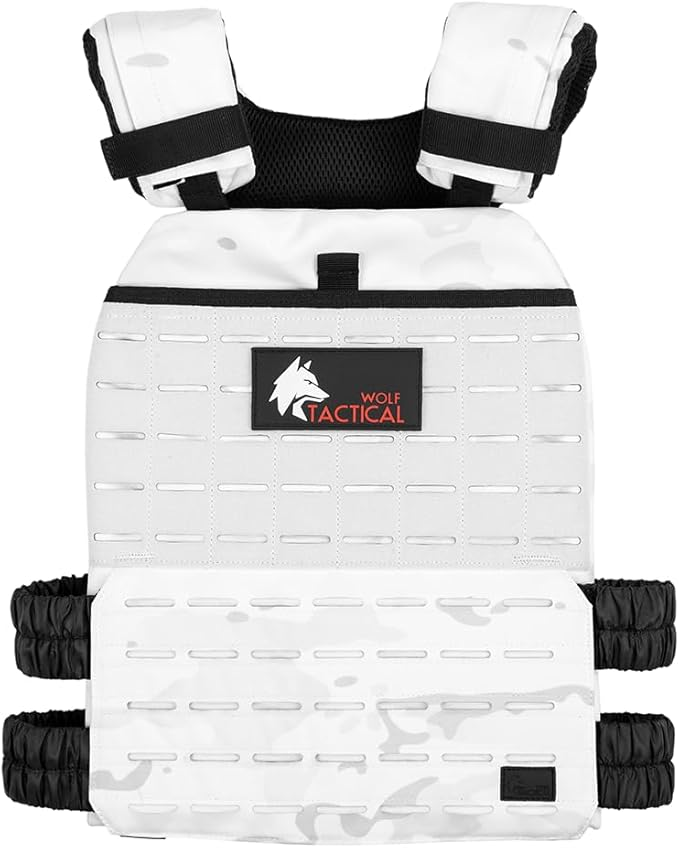
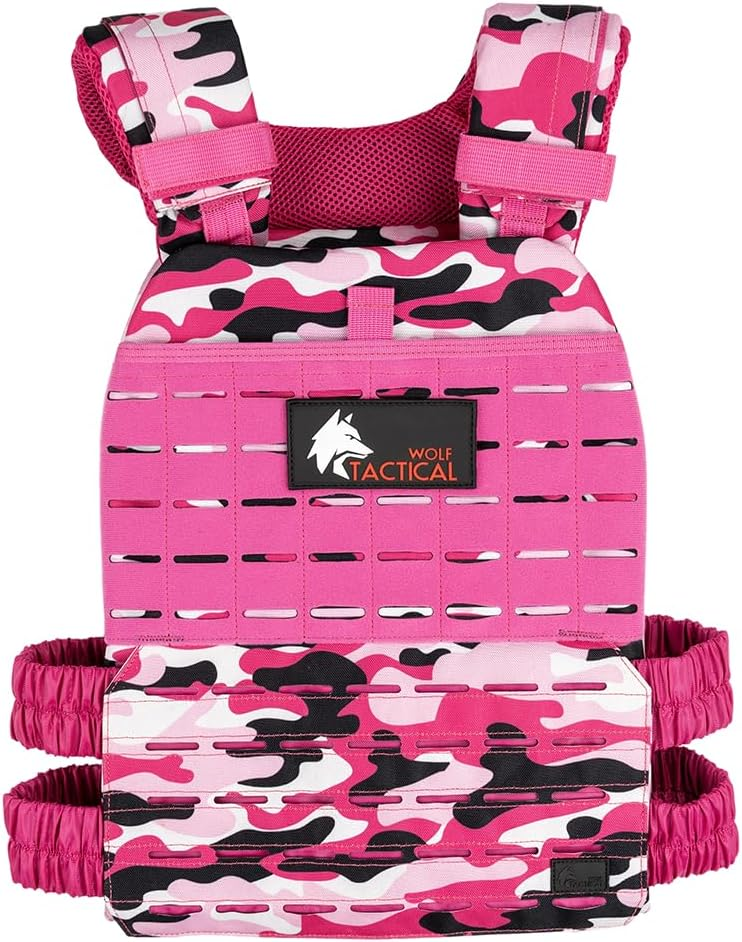
For shorter training and comfort-focused use, the Wolf Tactical Simple Weighted Vest (Men/Women) is a practical option that balances price, fit, and modularity.

How the vest changes calorie burn and how to estimate it
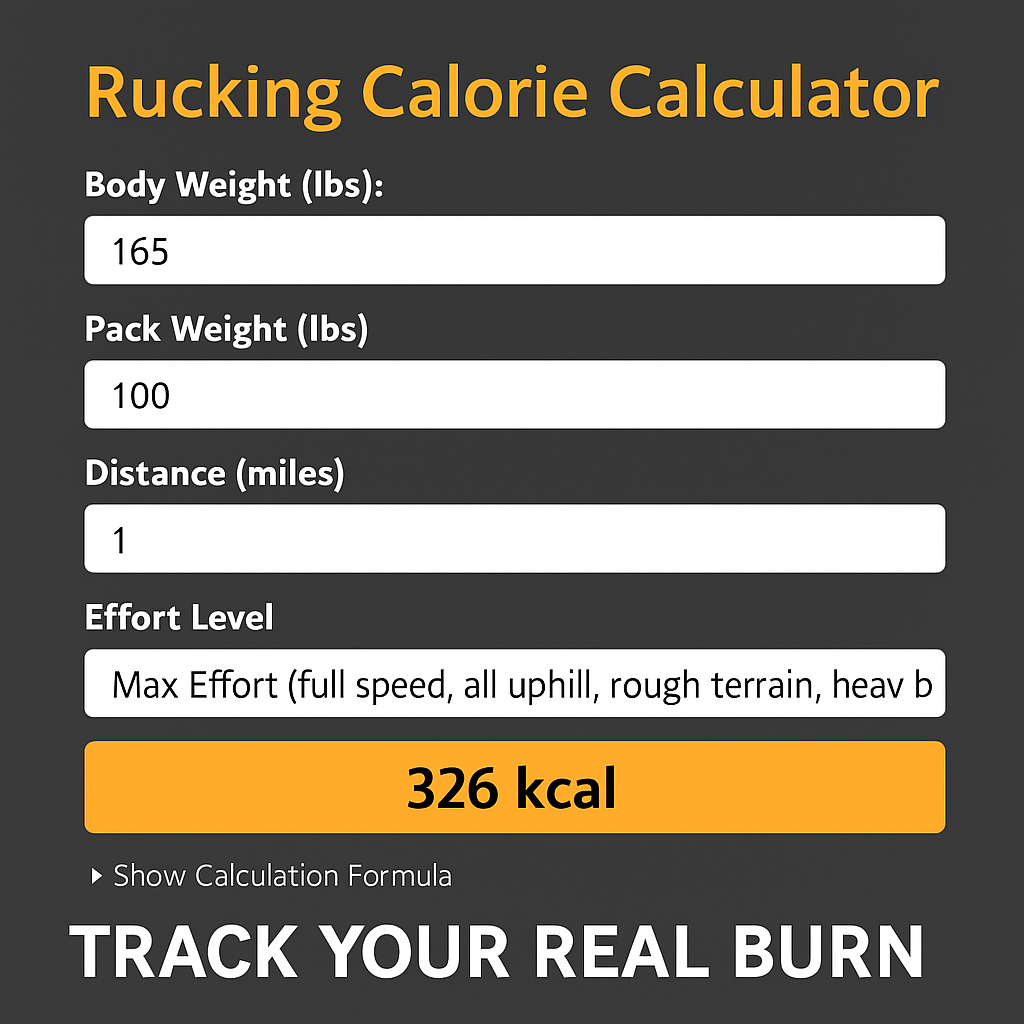
An Onnit vest increases the energy cost of walking, hiking, and bodyweight movements. The exact additional burn depends on weight added, pace, terrain, and your bodyweight. Use a trusted calculator to estimate real-world changes so you can plan sessions and recovery.
Try this calorie calculator to estimate your burn with weighted vest work:

Simple programming example
- Week 1–2: 10–15 minute walks with 5–10% bodyweight to test fit.
- Week 3–6: Two strength sessions per week with vest added to 2–3 exercises; one 30–45 minute ruck-style walk at conversational pace.
- After week 6: Increase time or load by 10% per week if recovery is solid.
Final notes
An Onnit weighted vest is an effective tool when matched to your goals: mobility and strength-endurance work, not bulk long-distance loading. Prioritize fit, progressive loading, and data-driven sessions — use the rucking calorie calculator above to estimate how your workload changes and adjust nutrition and recovery accordingly.