Why consider an Onnit weighted vest for rucking and training?
The Onnit weighted vest occupies the same space as other premium training vests: durable, built for movement, and designed to add load without murdering comfort. If you already own an Onnit vest or are thinking about one, the practical question is how to use it for outdoor rucks and daily conditioning without hurting your shoulders, back, or motivation.
Simple rules before you load up
Don’t treat a weighted vest like a fashion accessory. Incremental progression, tight but comfortable fit, and smart walk/run selection are the pillars of long-term results. Follow these basics when using any weighted vest, including Onnit:
- Start light — add 5–10% bodyweight and stay there 2–4 weeks before increasing.
- Prioritize posture — keep a tall chest, neutral pelvis, and short steps when rucking.
- Use intervals — mix heavy walks with recovery days to avoid overuse.
How to fit and adjust an Onnit vest for rucking
Fit matters more than brand. A properly fitted Onnit vest should sit high on your chest and mid-back so it doesn’t bounce with each step. Tighten shoulder straps first, then the torso straps; the vest should feel like a snug backpack rather than a loose jacket.
Practical fit checklist
- Vest sits just below collarbones, not on your throat.
- Plates or sandbags centered over the spine — no lateral sag.
- Test with a 20–30 minute walk before committing to a long ruck.
Programming: using an Onnit weighted vest for fat loss and strength
For most outdoors-oriented trainees I coach, the best mix is three weekly sessions: one longer steady-state ruck, one interval-loaded walk (short hills or tempo), and one strength or calisthenics session with the vest on. That variety preserves joint health and builds consistent calorie burn.
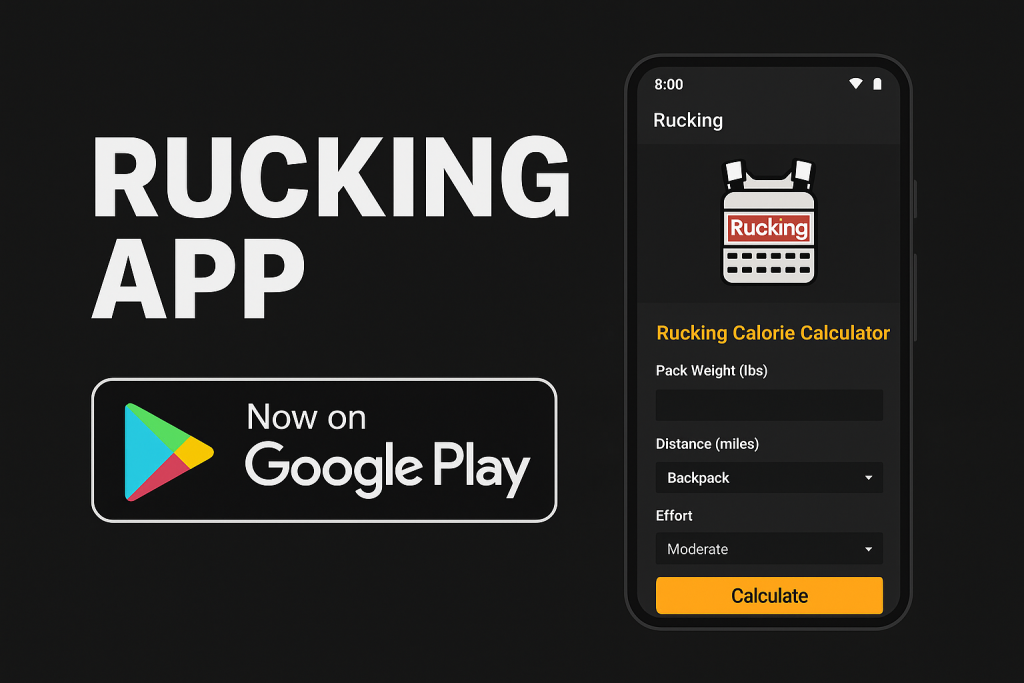
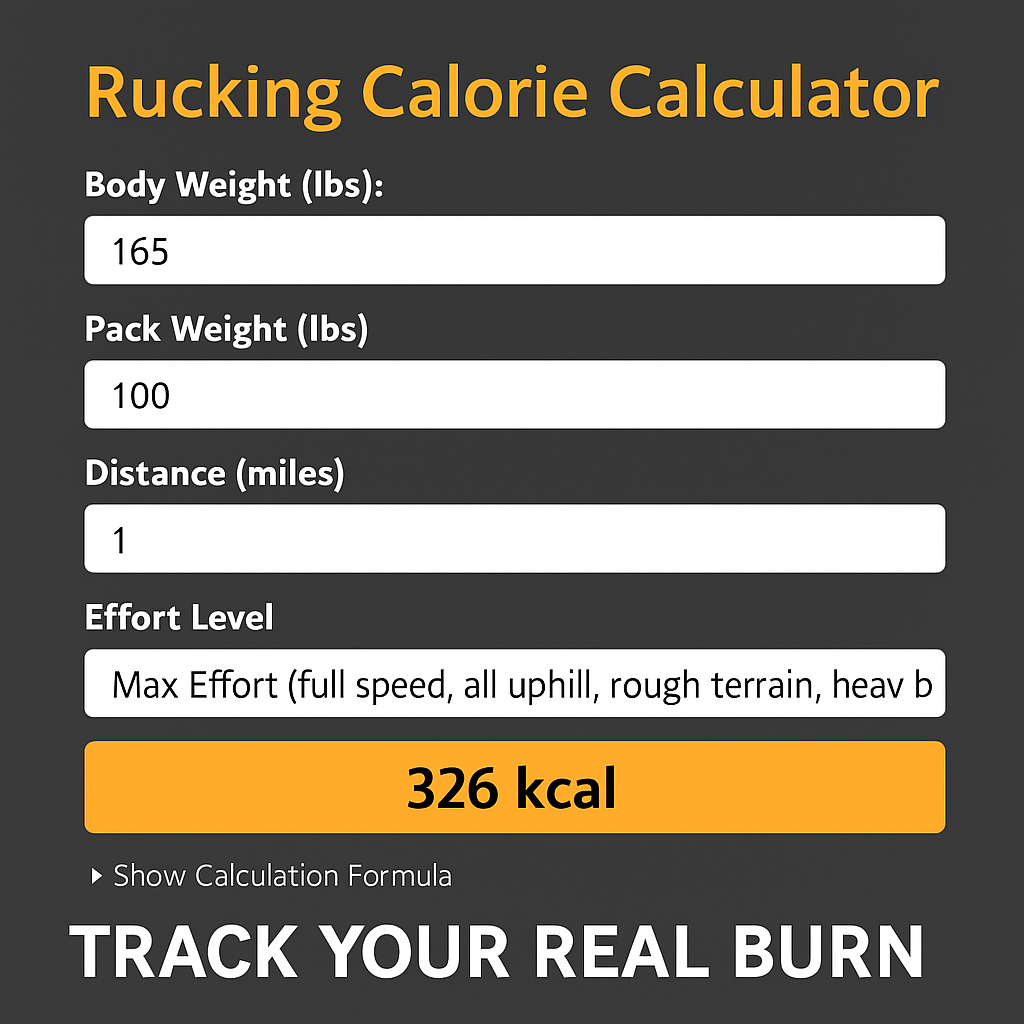
If you want to estimate calories burned during a ruck with a vest, use the rucking calorie calculator below. It’s designed for weighted transfers and is a quick way to set targets for weekly caloric expenditure.

Gear notes and recommended alternatives
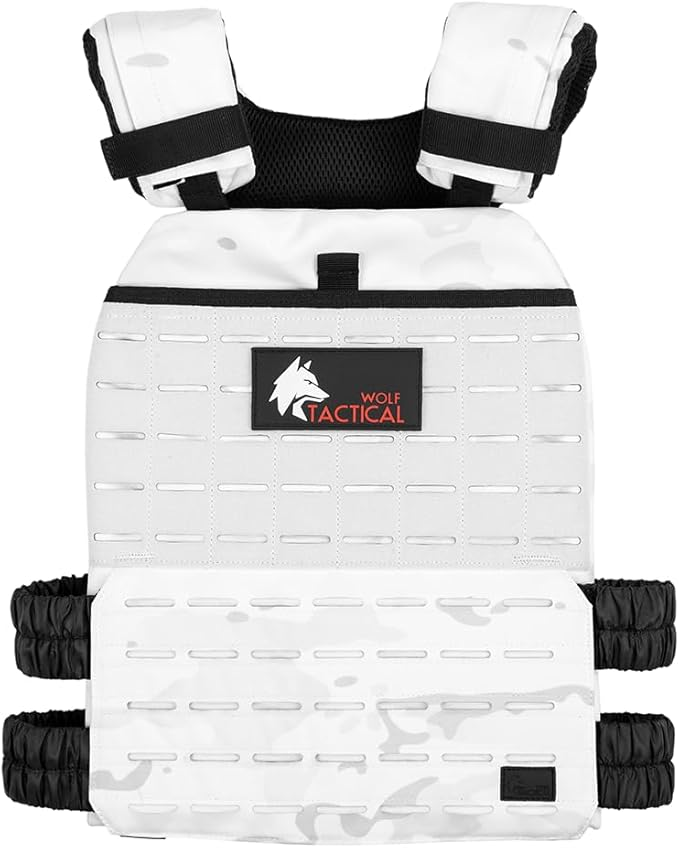
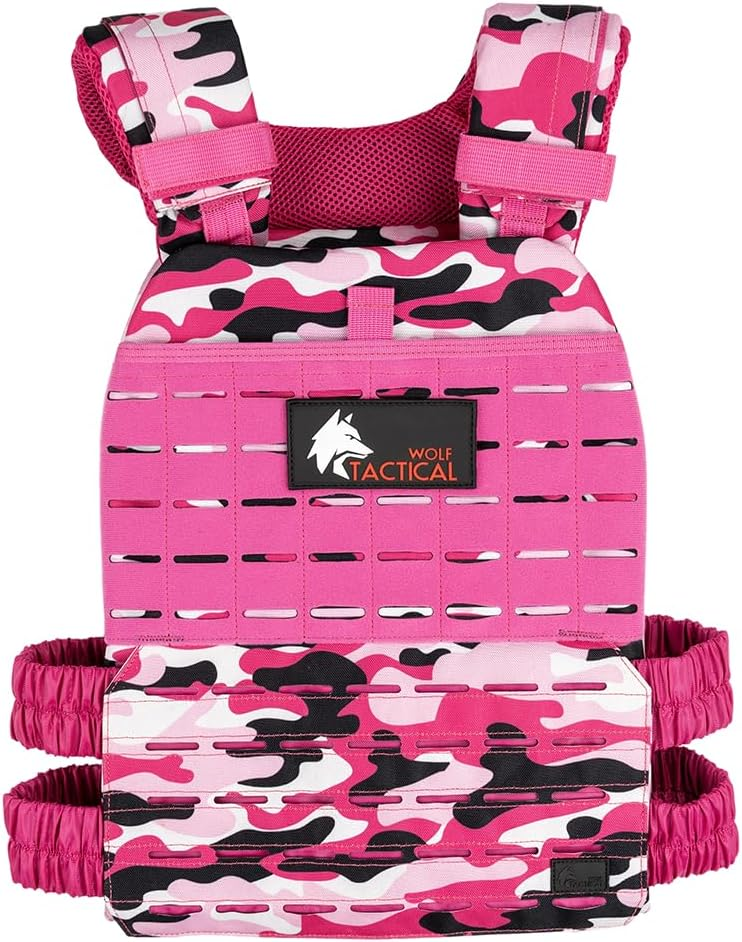
Onnit makes solid products, but if your focus is long-distance rucks or comfort on long miles, consider vests and carriers built specifically for hours on the trail. For a comfortable, budget-friendly option that balances fit and utility, I often point people at the Wolf Tactical Adjustable Weighted Vest.

When to choose Onnit vs. a tactical-style vest
- Choose Onnit if you prioritize gym-friendly movement and durability.
- Choose a tactical-style vest (Wolf or 5.11) if you want hours-long comfort and easier adjustability for road or trail rucks.
- Keep a separate rucksack or hydration option (CamelBak style) for long, hot rucks.
Trainer note
As someone who’s coached thousands of outdoor-focused athletes, including my own transformation, I’ll say this plainly: progressive, consistent vest work is one of the most reliable ways to increase calorie burn while keeping functional strength. I lost 90 lbs through rucking, weighted-vest training, and disciplined nutrition, and I still recommend weighted vests as one of the best tools for maintaining a lower body weight and steady fat loss.
Use the rucking calculator linked above to dial in realistic targets, keep your progression conservative, and prioritize recovery. That’s the routine that produces long-term results.