Why choose a plate carrier for working out?
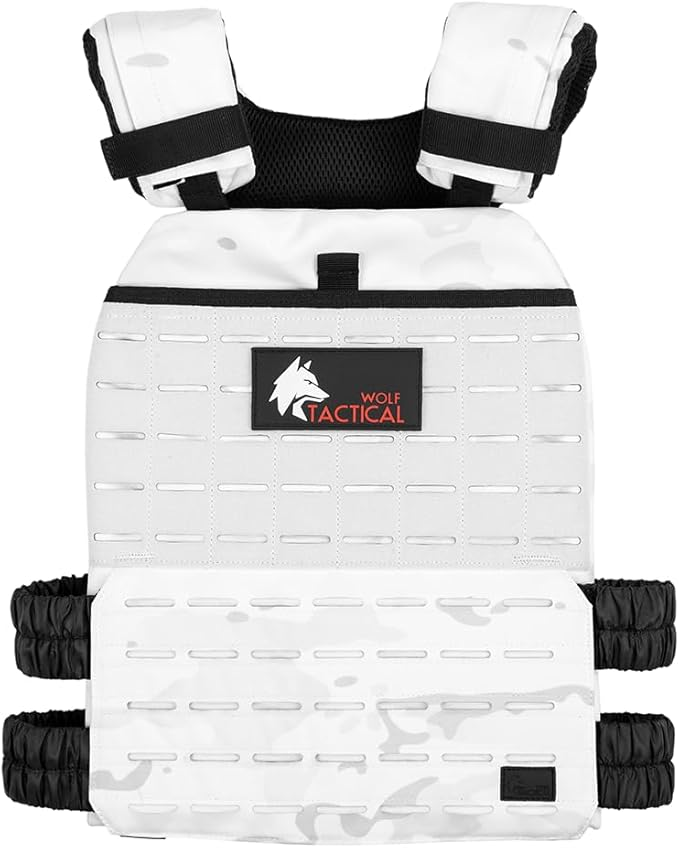
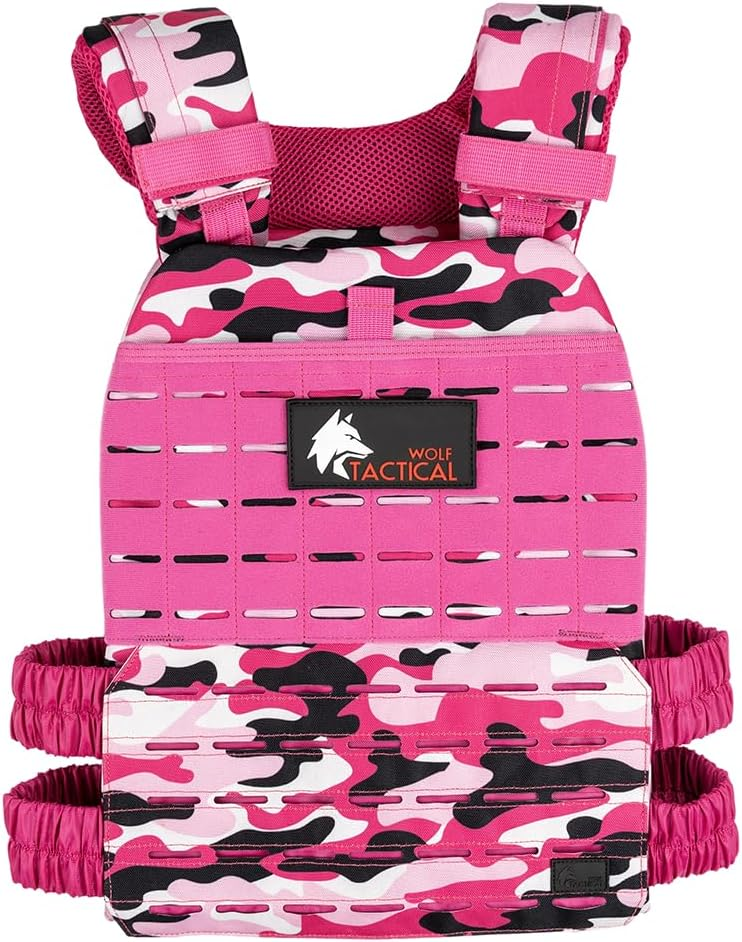
A plate carrier shifts how you load the body compared to a soft weighted vest. It places weight higher on the torso and lets you add rigid plates for predictable load distribution. That stability is useful for strength movements, loaded carries, and tactical training where you need the plates to stay in place without shifting.
Key benefits
- Consistent, balanced loading for squats, lunges, and carries.
- Higher weight capacity than many commercial soft vests.
- Durability for outdoor workouts and rucking when you want heavier progressive overload.
Fit, comfort, and setup
Fit is the first priority. A carrier that rides too low will interfere with hip hinge and a carrier that rides too high will restrict shoulder mobility. Look for adjustable shoulder straps and a cummerbund you can tighten. If you’re new to plate carriers, start with a lighter load and work on movement quality first.
I recommend checking a proven option like GORUCK Ruck Plate Carrier 3.0 for a robust, field-tested platform. It’s built for heavy loads and long outdoor use, so it’s a solid choice if you plan to progress into heavier plates.

Programming and progression
Use a plate carrier like a strength tool. Treat it as external load and follow progressive overload principles. Typical progressions work well:
- Weeks 1–2: Bodyweight movements with light plates or no plates to dial technique.
- Weeks 3–6: Add small incremental plate weight (5–10 lb total) and increase reps, then sets.
- Beyond week 6: Move toward heavier sets for lower reps on compound lifts, and use loaded carries for conditioning.
Workouts to prioritize
- Loaded carries (farmer carry, rucksack march): build grip, posture, and conditioning.
- Goblet-style squats and split squats with the carrier for closed-chain stability.
- Short circuits mixing bodyweight movements and carries for metabolic conditioning.
Safety considerations
Always warm up the thoracic spine and shoulders before loading a carrier. Watch breathing and bracing during heavy sets — a plate carrier restricts rib expansion if worn too tight. If you feel joint pain (not muscle fatigue), reduce load or change the movement. Use plates rated for rucking or plate carriers, and distribute weight evenly front/back when possible.
Estimate calorie burn and plan sessions
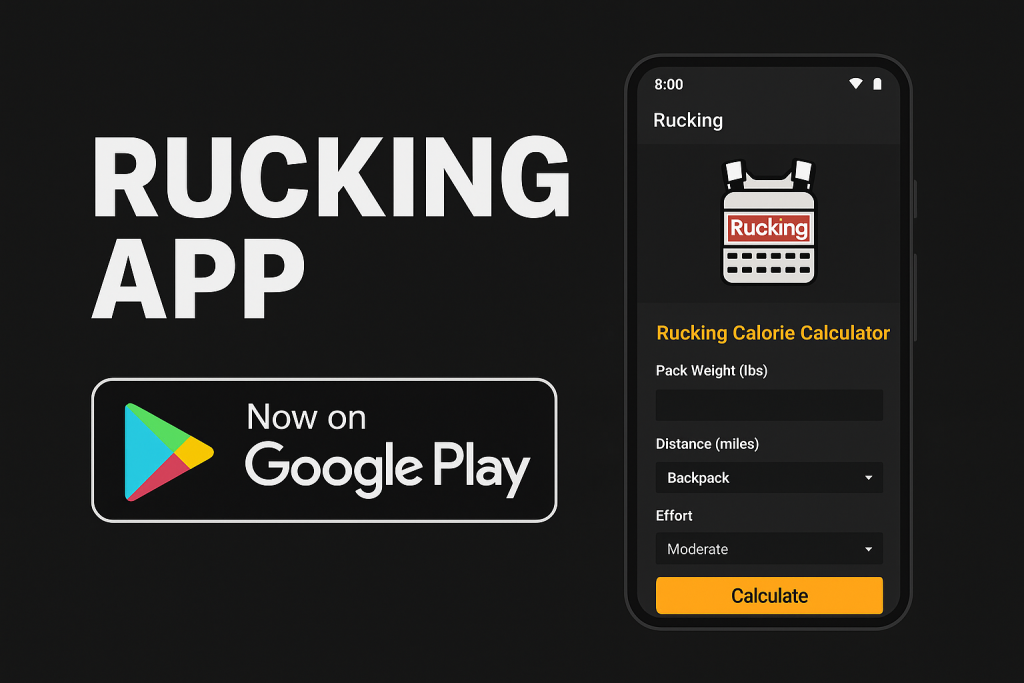
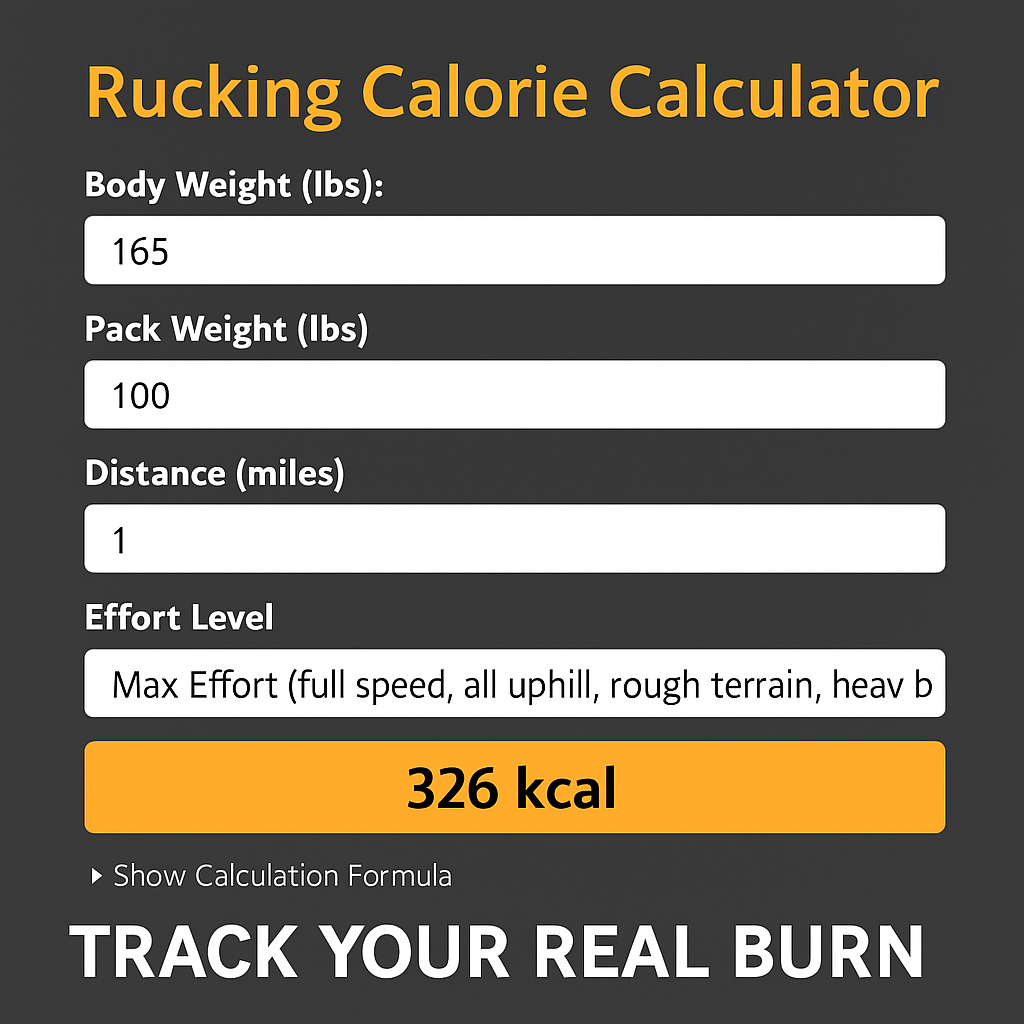
Want to estimate how many calories you burn per session with a plate carrier? Use the rucking calorie calculator to model your load, pace, and duration. It’s an easy way to plan weekly training for strength and fat-loss goals.

Practical tips for long sessions
- Use padding or a thin carrier liner to prevent plate edges from digging into the chest.
- Hydrate and fuel appropriately for longer loaded walks — carry water in a bladder or bottle.
- Rotate sessions between heavy, low-rep strength days and lighter, higher-volume conditioning days to manage recovery.
Plate carriers are a powerful tool when used with respect for technique and progression. Start light, prioritize movement quality, and add weight methodically. With consistent, sensible programming you’ll build durable strength and conditioning while minimizing injury risk.