Why a plate carrier training vest works
Plate carrier training vests give you a rigid, central load that changes movement mechanics compared with soft weighted vests. Used correctly, they build posterior chain strength, improve posture under load, and translate well to tactical and outdoor rucking. I write from years of field experience: setup, progression, and breathing matter more than arbitrary weight numbers.
Key setup and fit tips
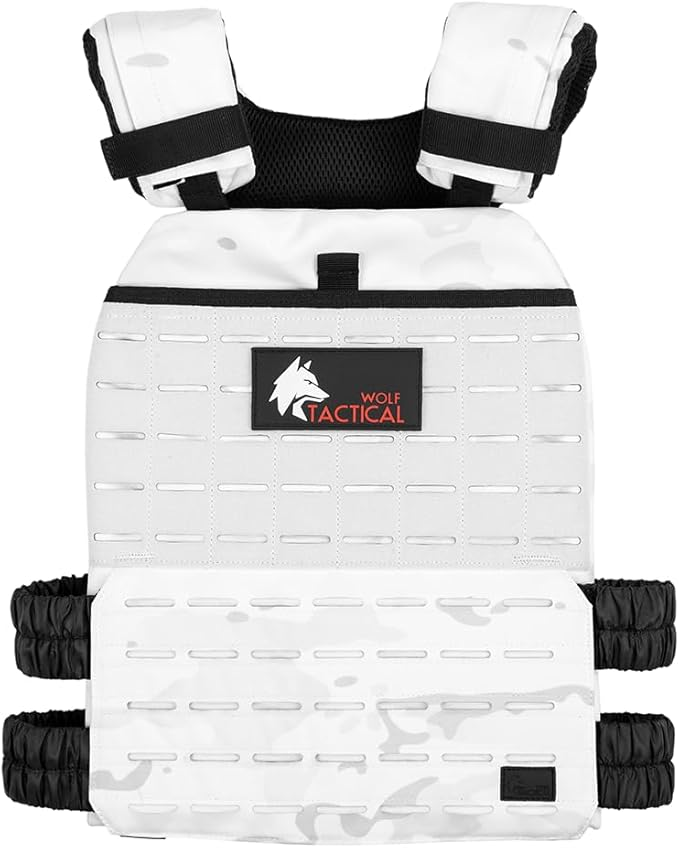
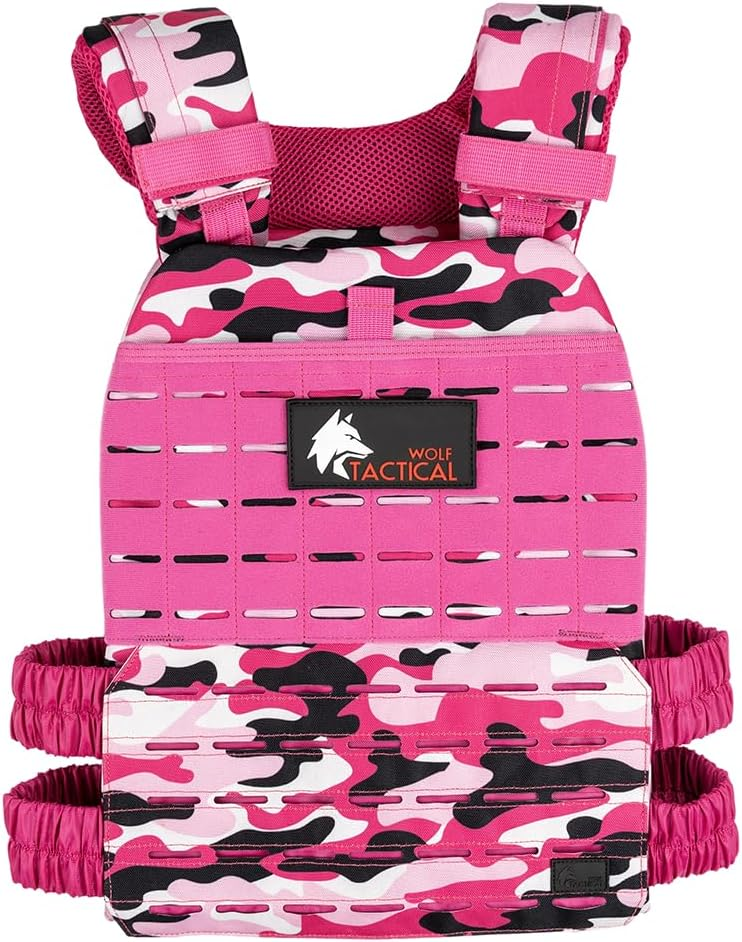
- Center the plates so the load sits on your sternum and upper abdomen — avoid a low, swinging load that stresses the hips.
- Tighten shoulder straps and cummerbunds to stop bounce. A stable vest lets you focus on movement and breathing.
- Start with lighter plates or training plates to groove movement: 10–20% of bodyweight is a reasonable starting range for conditioned individuals.
For a practical option that fits hard training and aftermarket plate sizes, consider the GORUCK Ruck Plate Carrier 3.0. It’s rugged, low-profile, and built to carry metal plates securely.

Programming: progress, not punishment
Think in blocks: 2–4 week microcycles where you increase either time under load, plate weight, or intensity. Typical progressions:
- Week 1–2: 20–30 minute walks with light plates, focus on posture and breathing.
- Week 3–4: Add intervals — 3–5 minutes brisk with 1–2 minutes easy while keeping the pack stable.
- Week 5+: Add loaded carries, stair climbs, or interval runs only after you can walk comfortably for 45–60 minutes.
Sample session
Warm up 5–10 minutes dynamic mobility for hips and thoracic spine. 30 minutes steady walk with plates that let you hold a conversation. Finish with 3 sets of 10 split-squats or hip hinges without the vest to unload and reinforce movement quality.
Technique cues and common mistakes
- Breathe into your belly and feel your diaphragm expand under load — don’t hold your breath during movement.
- Avoid excessive forward lean; let the hips and glutes drive movement.
- Avoid adding weight before you’ve mastered stability. More weight amplifies poor technique and increases injury risk.
Track effort and calories
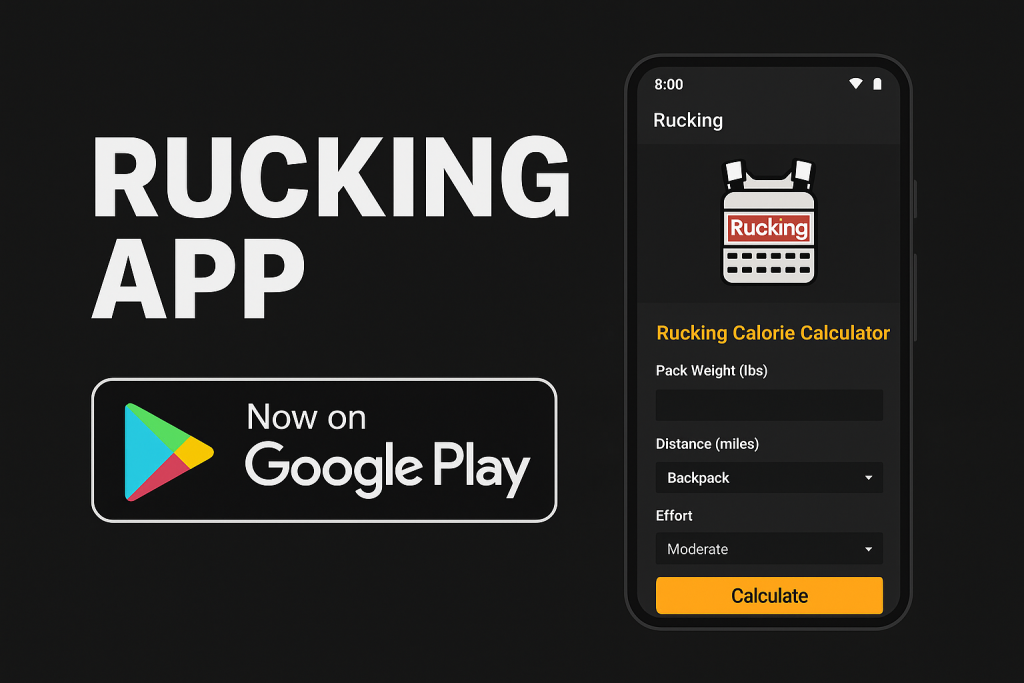
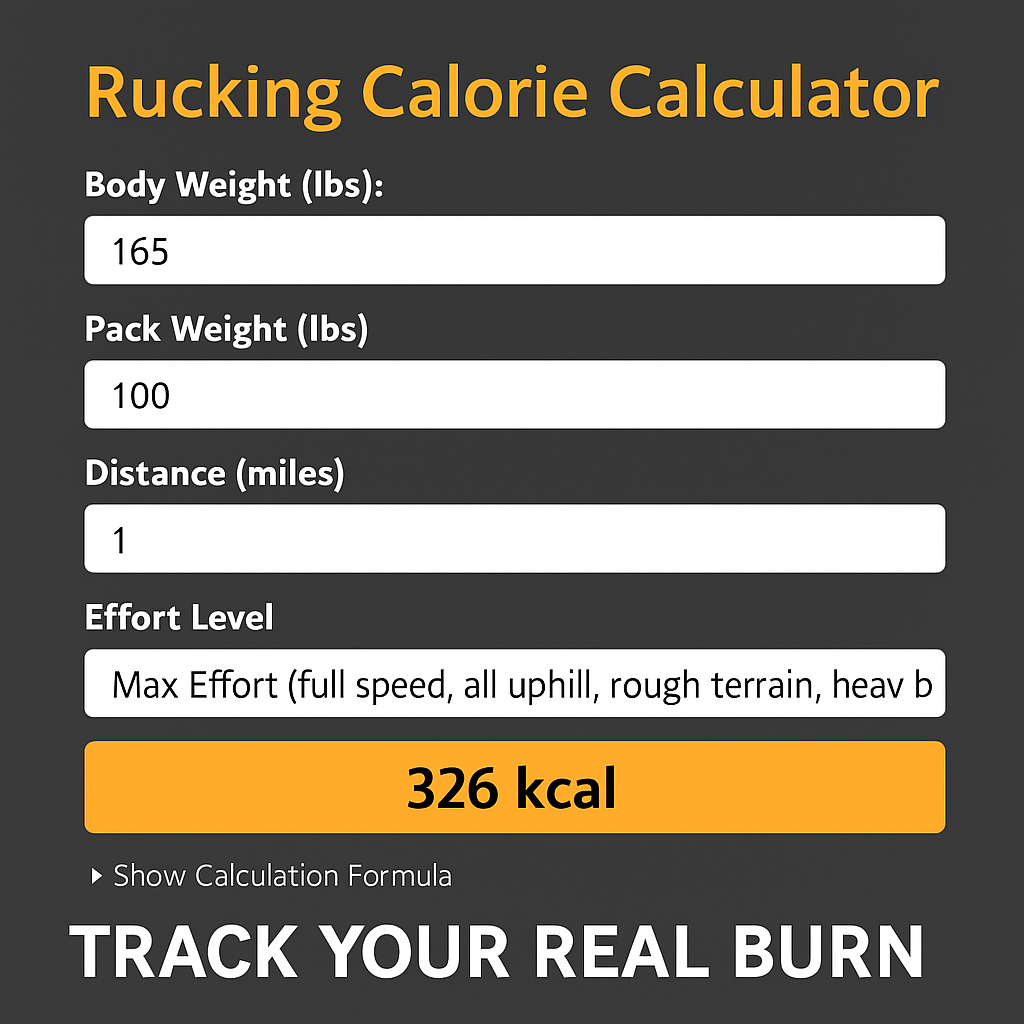
Use a simple calculator to estimate caloric cost so you can pair load work with appropriate fueling and recovery. I recommend the rucking calorie calculator—it’s designed for load-carrying workouts and gives realistic burn estimates you can use to structure nutrition.
Open the Rucking Calorie Calculator

Safety and recovery
Listen to joint pain vs soreness. Plate carriers load the spine differently than soft vests — sharp pain or radicular symptoms are a stop-and-assess cue. Prioritize sleep, protein, and a deload week every 4–8 weeks depending on volume.
Final notes
Plate carrier training vests are a precise tool: they reward disciplined setup and gradual progression. If your goal is durable conditioning and tactical strength, use controlled increases in time and weight, prioritize technique, and track your sessions so you can adjust load intelligently. When in doubt, slow the progression and focus on posture under load — that’s where long-term gains are built.