Why plate carrier weight plates matter
Plate carrier weight plates change how you move, breathe, and train. Unlike soft plates in a vest, rigid plates concentrate load, shift your center of gravity, and increase impact on the hips and lower back if you’re not deliberate about selection and placement. This guide explains what to look for in plate carrier weight plates, how to load them safely, and practical training progressions you can use on the trail or in the gym.
Types of plates and material considerations
Plates for plate carriers come in several common materials: steel, cast iron, rubber-coated, and polymer/composite. Each has trade-offs:
- Steel/cast iron — very compact for the weight, durable, but noisy and unforgiving on impacts.
- Rubber-coated — quieter and slightly more forgiving; adds a small bulk but protects the carrier and your gear.
- Polymer/composite — lighter in bulk and sometimes designed for better ergonomics but can be larger in size to reach the same weight.
Size, profile, and fit
Plate carrier internal pocket dimensions vary by brand. Before buying plates, measure the carrier’s internal pocket and note width, height, and depth. A plate that sits too low will torque the spine; one that’s too wide will impede arm swing. If you’re upgrading an existing carrier, the safest route is to match plates to manufacturer specs.
Practical load recommendations
For conditioning and rucking-style walks, start conservatively: 10–20% of body weight is a reasonable starting point for short walks and conditioning. For strength or tactical loading (sprints, sprint sleds, heavy carries), you can progress to higher loads, but build incrementally and record how your posture and breathing change.
- Beginners: 10% bodyweight or a single light plate front or back to get used to shifted posture.
- Intermediate: 15–25% for rucks of 3–6 miles, adjusting for fitness and terrain.
- Advanced/tactical: 25%+ only with a solid base of strength training and progressive exposure.
Comfort and risk mitigation
Place softer padding between rigid plates and your torso when possible, and ensure the carrier sits high on the chest for running drills or low and snug for longer rucks based on manufacturer guidance. If you feel pinching, numbness, or persistent lower-back pain, reduce load and consult a movement professional.
Recommended gear for plate carrier setups
Two reliable options I often recommend depending on use-case:
GORUCK Ruck Plate Carrier 3.0 is built for long rucks and modular kit, offering solid plate pockets and proven durability for load carriage.

For heavy strength work where you want compact, high-mass plates, consider the Kensui EZ-VEST® MAX V2 which allows very high loading and is designed to keep plates secure during dynamic movement.

Test and progress: a simple protocol
Pick a short test—1 mile at a brisk walk with your intended plate(s). Record perceived exertion, posture, and any pain. If you can increase load or distance with stable biomechanics over 2–4 weeks, you’re ready to progress. For conditioning, measure calorie burn and adjust nutrition and recovery accordingly.
Calculate expected calorie burn
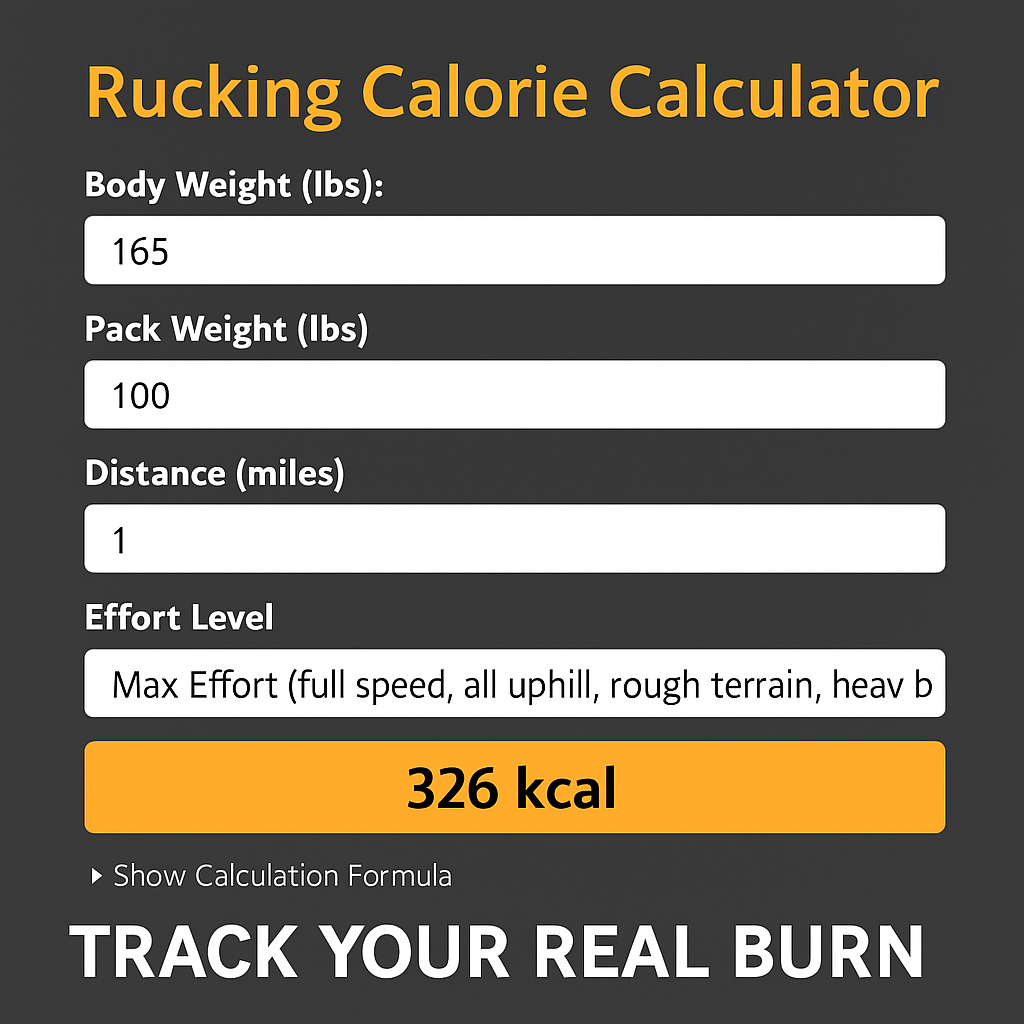
Use the rucking calorie calculator to estimate how plate carrier loads change energy expenditure for walks and rucks.

Plate carrier weight plates are specialized tools. Choose plates that match your carrier, train progressively, and prioritize posture and recovery. Small, consistent progressions beat big jumps when you’re carrying rigid loads.