A plate carrier weight vest is a rugged way to add load to walking, rucking, or bodyweight training. Compared to pocketed sand/steel-shot vests, plate carriers hold flat plates tight to your torso. That tighter center of mass reduces bounce, helps posture, and makes load progression straightforward in 5–10 lb jumps. Here’s how to pick the right setup, dial the fit, and use it in training without wrecking your joints.
What makes a plate carrier different?
- Stable load: Flat plates ride high and close to the body, which feels more natural during push-ups, squats, and ruck walks.
- Modular weight: Swap plate pairs to progress without changing the vest.
- Durability: Heavy-duty materials and stitching built for outdoor use.
- Breathability/heat: Less surface area contact than some soft vests, but still runs warm; manage heat and hydration.
Who should use a plate carrier?
If you want minimal bounce for calisthenics or plan to walk/ruck on mixed terrain, a plate carrier weight vest is a strong choice. It’s also great if you prefer precise, incremental loading and a compact profile that won’t slosh or sway.
How heavy should you go?
- Conditioning walks/rucks: Start with 5–10% of bodyweight for 20–40 minutes. Build toward 10–20% as your joints and tissues adapt.
- Calisthenics: Add load only when you can perform full range with control. For sets of 8–12 reps, 5–15% of bodyweight is a solid target.
- Progression: Increase total weekly volume (time under load) by 5–10% per week. If joints get cranky, reduce volume before reducing intensity.
Fit and safety checklist
- Plate position: Ride high on the chest; the top edge should be near the sternal notch. Too low = bouncing and side stitches.
- Snug straps: Tight enough to stop plate slap, loose enough for full breaths. Re-check after 5–10 minutes as materials settle.
- Plate shape: Contoured plates reduce hot spots during longer sessions.
- Chafe control: Wear a moisture-wicking base layer; tape hotspots early.
- Heat management: Pace conservatively in hot weather; pre-hydrate and sip regularly.
- Progress slowly: Joints, tendons, and feet adapt slower than lungs. Respect rest days.
Proven plate carrier options
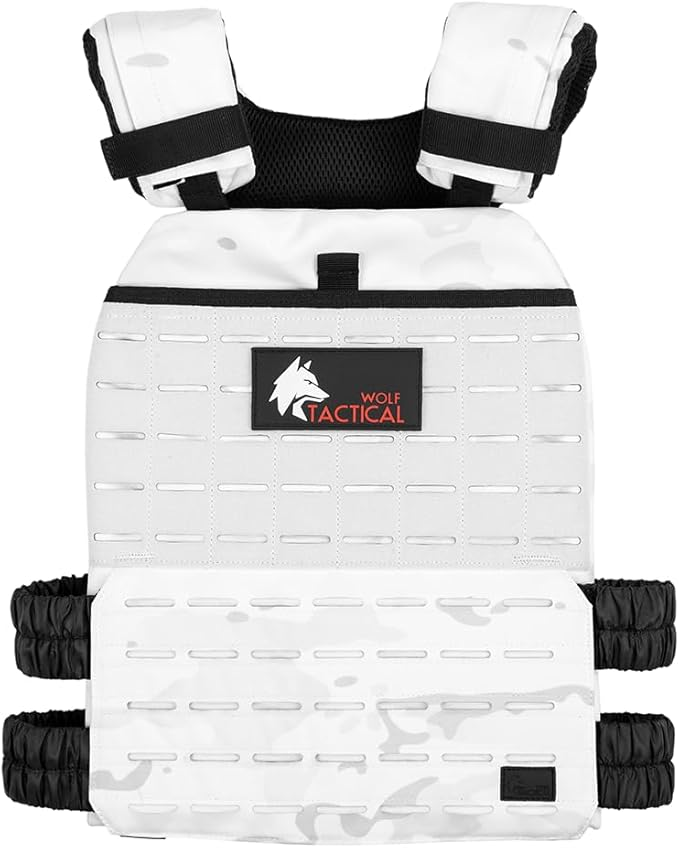
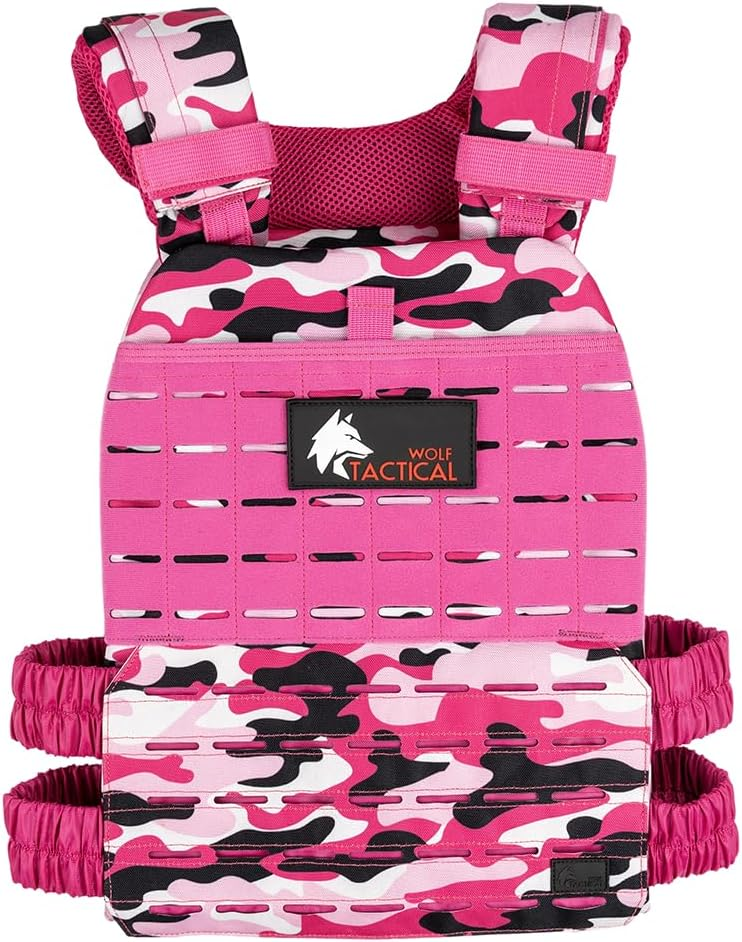
If you want a compact, purpose-built carrier for fitness and rucking, the GORUCK Ruck Plate Carrier 3.0 is a benchmark. Pair it with durable plates like the WOLF TACTICAL Weight Vest Plates (pairs) to customize your load.


Estimate your calorie burn
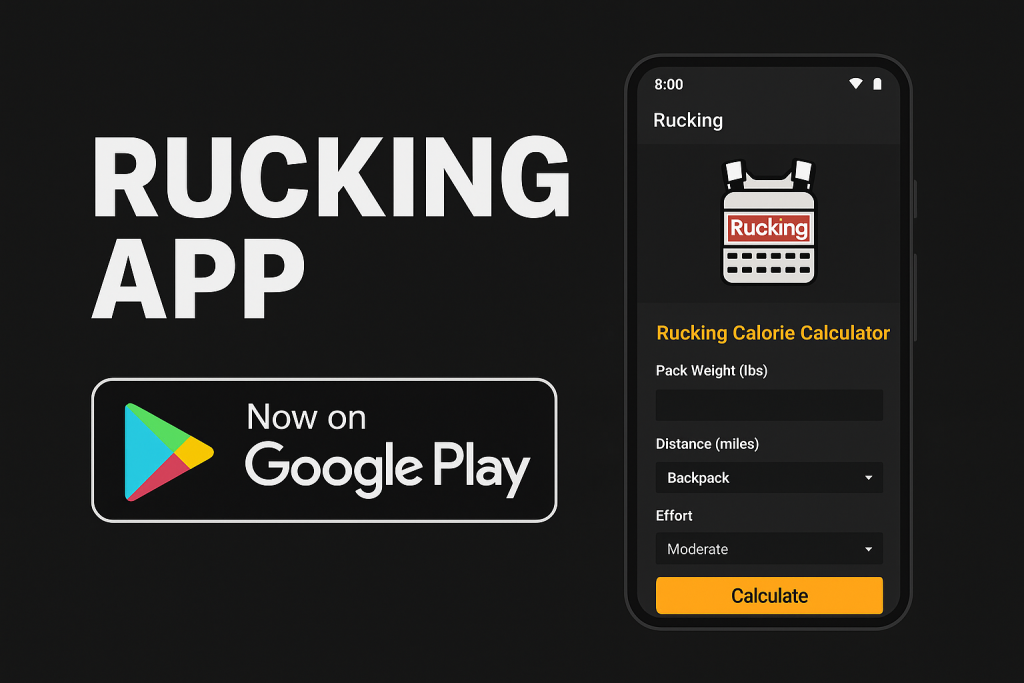
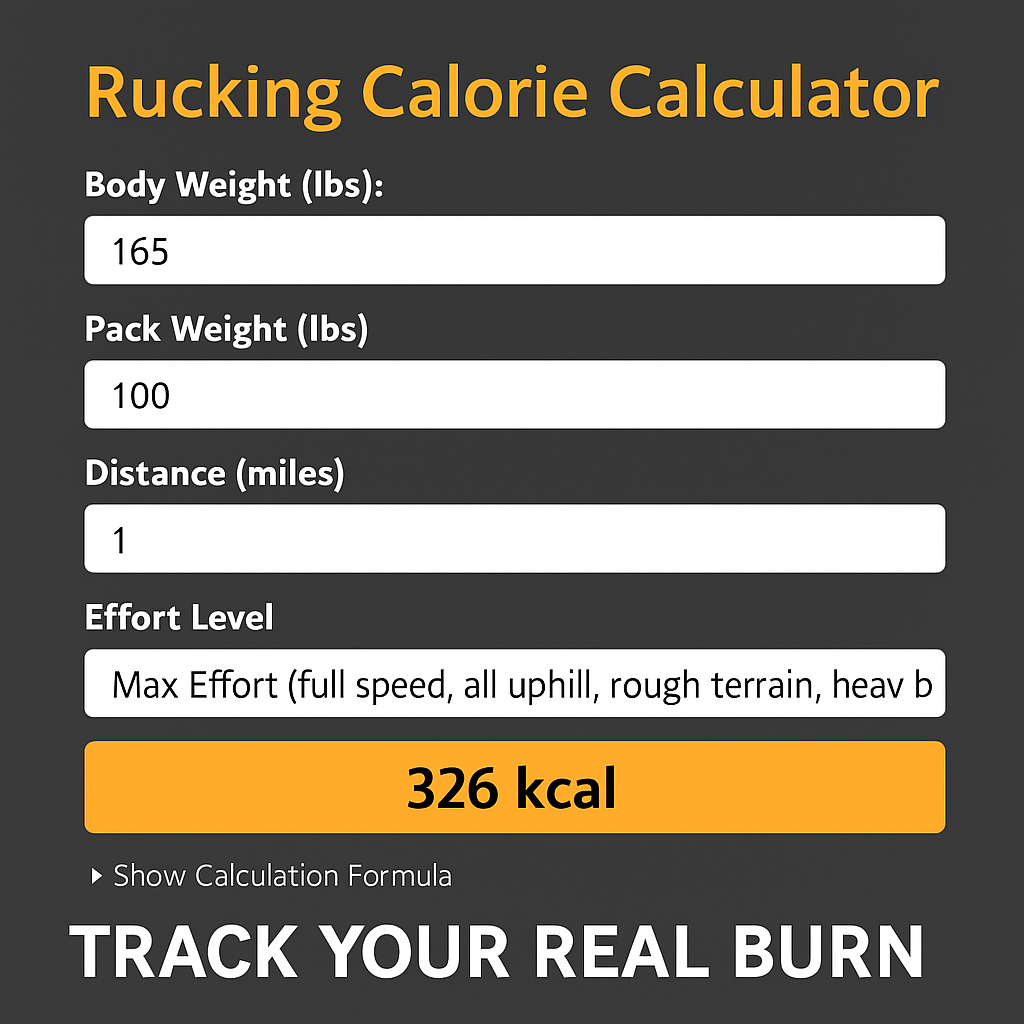
Curious how many calories your loaded walks might burn with a plate carrier weight vest? Use the rucking calorie tool to dial in time, distance, pace, and load.

Prefer a weighted-vest specific overview? Here’s our quick guide: weighted-vest calorie insights.
Simple starter sessions
Session A: 30-minute loaded walk
- Warm up 5 minutes unloaded, then add the vest.
- Walk 20 minutes at conversational pace; maintain tall posture.
- Finish with 5 minutes easy, then stretch calves/hips.
Session B: Calisthenics focus (EMOM x 15 min)
- Minute 1: 6–8 push-ups (vested)
- Minute 2: 6–8 air squats (vested)
- Minute 3: 20–30 second farmer’s carry or march-in-place (vested)
Train 2–4 days per week. Keep at least one day between hard sessions, adjust load before volume when technique fades, and track how you feel 24 hours later.