Why choose a plate loaded vest?
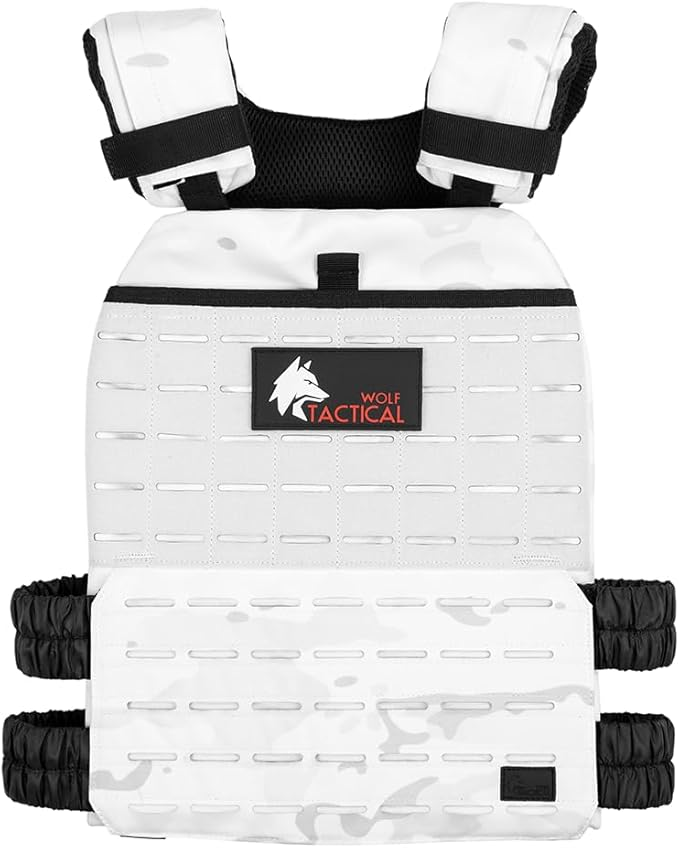
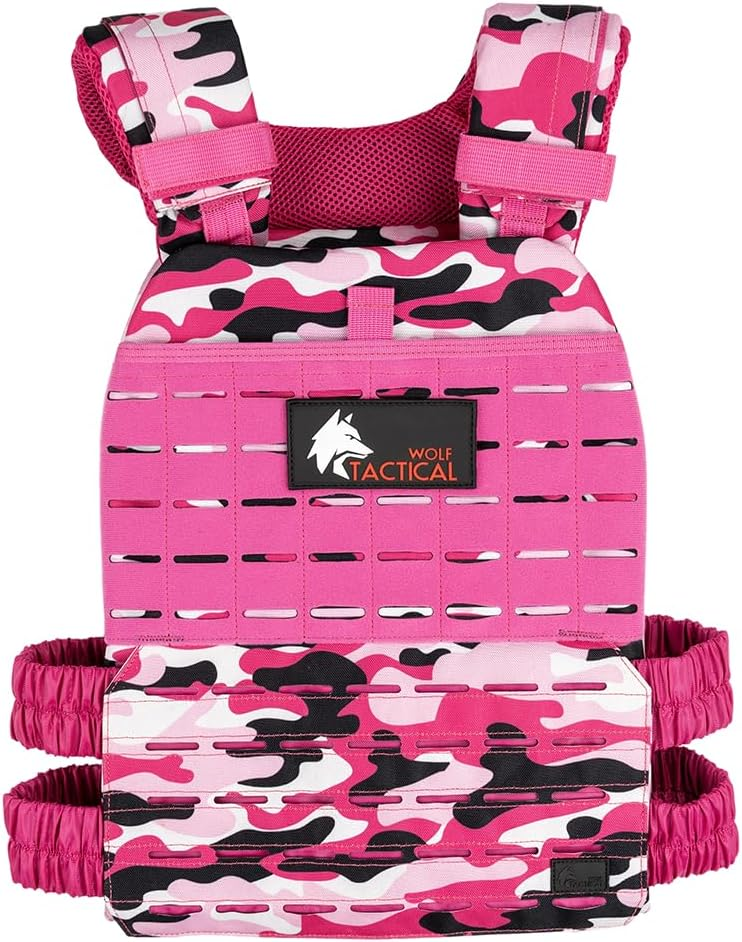
A plate loaded vest puts you in control of exact load increments, making it ideal for strength progressions, weighted calisthenics, and heavy rucking. Unlike soft vests that limit you to sewn-in weights, a plate-loaded system accepts metal plates so you can add or remove mass as you progress.
Who benefits from a plate loaded vest?
Use a plate loaded vest if you want to build strength while keeping a high-work cardiovascular stimulus. It’s a good fit for:
- Experienced ruckers moving to heavier loads.
- Athletes who want external resistance for push-ups, pull-ups, and prowler-style carries.
- Anyone who wants precise incremental loading for progressive overload.
Fit, comfort, and safety
Proper fit matters more with plates because they concentrate load. Look for a vest with low-profile pockets that center weight on the sternum and upper back and include stabilization straps. Start conservative: add small plates and monitor posture. If the plates dig into your shoulders or ribs, stop and adjust the vest or padding before continuing.
Programming basics
Treat a plate loaded vest like a barbell: progress in small, repeatable steps. For rucking, I recommend increasing total carried weight by no more than 5–10% per week while holding pace constant. For strength movements, add small plate increments and track reps or sets over time.
- Beginner ruck: bodyweight + 10–20 lb in plates, 30–60 minutes at conversational pace.
- Intermediate: bodyweight + 20–40 lb, include hills or intervals once weekly.
- Strength work: 3–5 sets of weighted push-ups or chin-ups with controlled tempo and full recovery.
Recommended hardware
If you’re building a heavy training setup, a purpose-built plate vest like the Kensui EZ-VEST® MAX V2 handles very high loads and keeps plates stable during dynamic work. For plate selection, add pairs of smaller plates first to get micro-loading rather than jumping straight to large increments.
If you need basic plate options for rucking and general increments, consider a pair of dedicated ruck plates that are sized for vest pockets.
Example products:
If you want a plate-ready vest designed for extreme loading, check the Kensui EZ-VEST® MAX V2 as an option for large, stable plate capacity.

For durable ruck-style plates to tune your load, consider a set of Yes4All Ruck Weight Plate pairs that fit most plate pockets.

Measure calories and pace progress
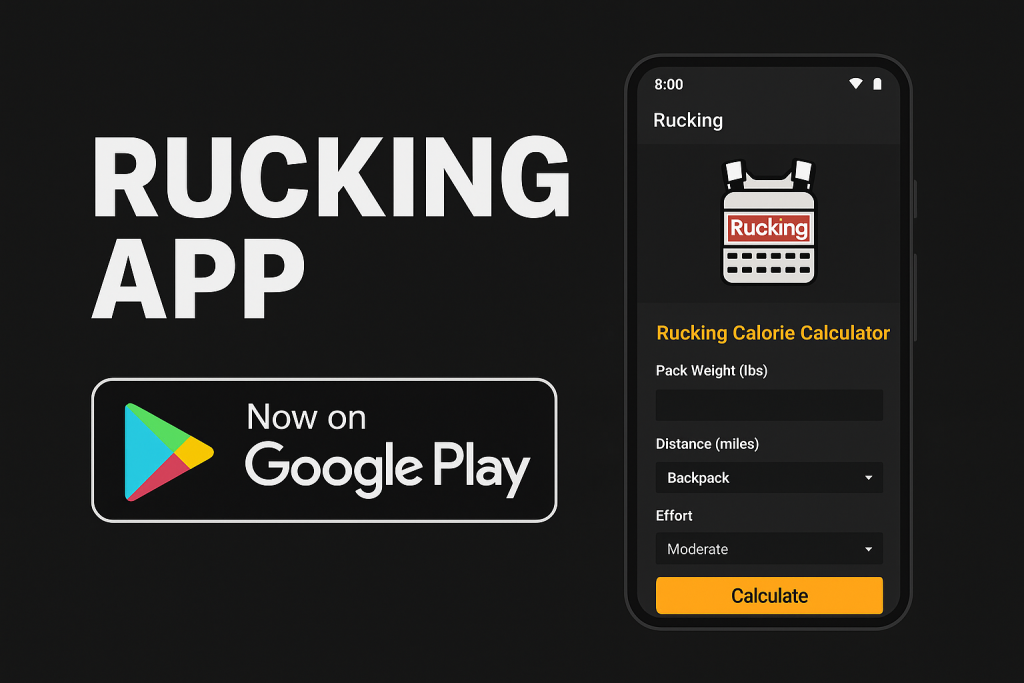
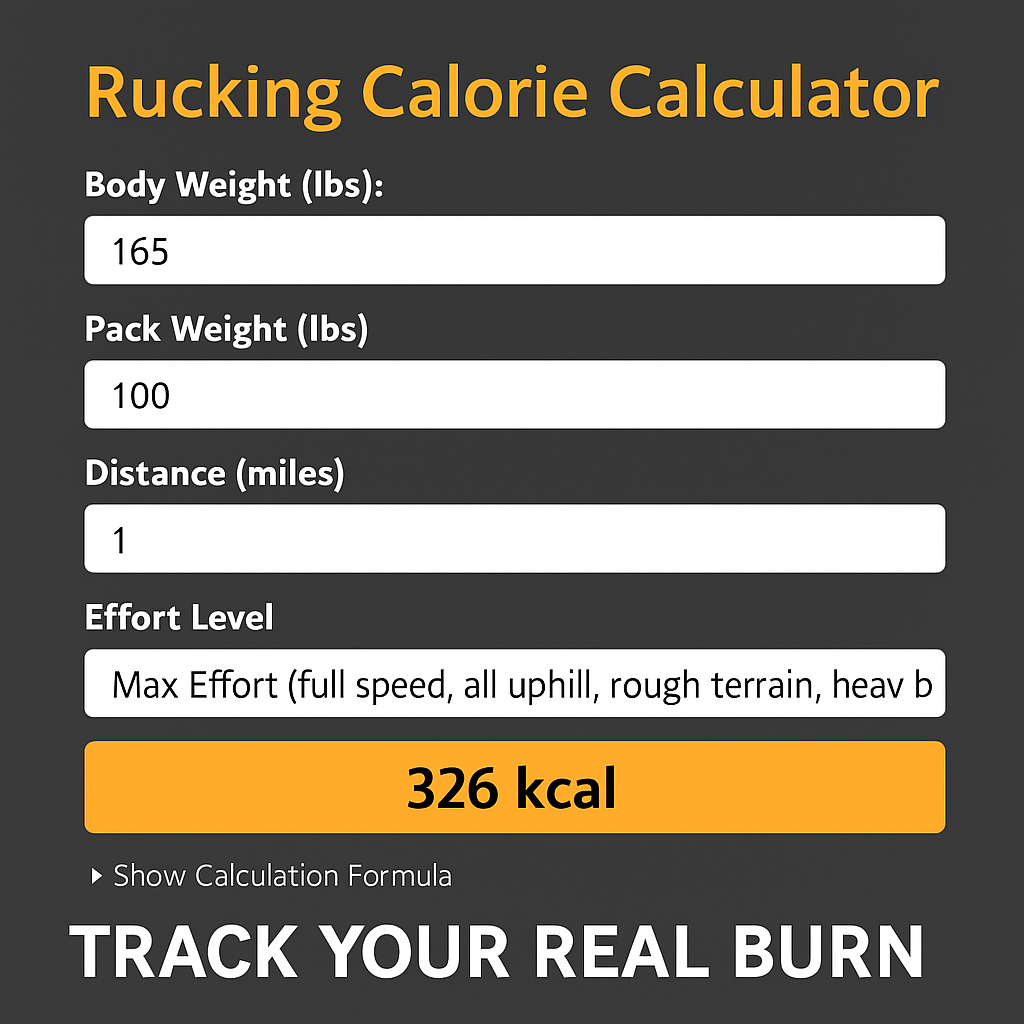
One of the best ways to objectively manage plate-loaded training is to track energy cost. Use the Rucking Calorie Calculator to estimate how many calories your loaded walks burn—this helps pair training with nutrition and weight-loss goals.

Enter your bodyweight, load, pace, and distance to get an evidence-driven estimate. Use the results to match training volume to recovery and calorie targets.
Final guidance
Start conservative, prioritize good posture, and increment plates in small steps. Plate loaded vests are a powerful tool for anyone wanting both strength and conditioning in the same session. I’ve used plate systems with trainees who needed reliable, measurable progress without overcomplicating programming.
If you’re new to plate-loaded systems, pair shorter rucks with bodyweight strength days and focus on steady progress—the vest will reward consistency.