What is a plate loaded weight vest?
A plate loaded weight vest is a wearable frame that lets you secure standard weight plates to your torso so you can add load to bodyweight training and walks without holding dumbbells. Unlike soft pocket vests or flat plate carriers, plate-loaded systems typically use a rigid yoke and posts that accept iron or bumper plates. The result is scalable loading that can progress far beyond what most traditional vests allow.
Plate-loaded vest vs. plate carrier: key differences
- Load range: Plate-loaded systems can scale from light to very heavy (often 100+ lb). Plate carriers use fixed plates (usually 5–20 lb each) and top out lower.
- Placement: Plate-loaded designs center plates higher and closer to the body’s midline, reducing sway. Carrier plates sit front/back and feel more distributed but are limited in shape and thickness.
- Stability & movement: For calisthenics (pull-ups, dips, squats), a locked-in plate tree reduces bouncing. Plate carriers excel for conditioning circuits and outdoor rucks where comfort and simplicity matter.
- Comfort: Plate carriers have broad shoulder pads and fabric wrap; they’re comfy for long walks. Plate-loaded rigs are more rigid; adjust carefully to avoid hot spots.
- Cost & versatility: If you already own weight plates, a plate-loaded vest offers huge range for the money. If you want quick on/off conditioning loads, a carrier with dedicated plates is simple and tidy.
How much weight should you start with?
- Walking/steps: 5–10% of bodyweight to begin. If you’re 180 lb, start with 10–20 lb. Build by 5 lb per week if joints and posture feel good.
- Calisthenics strength: Begin around 5–15% of bodyweight on push-ups and rows; 0–10% on pull-ups and dips until form is rock-solid. Add 2.5–5 lb per session once you hit target reps.
- Rucking/outdoor intervals: Favor comfort and posture. If you feel your stride shorten or your low back tighten, drop 5–10 lb and extend distance.
Programming ideas
- Pull-up focus: 5 sets of 3–5 reps loaded; finish with 1–2 back-off sets unweighted for clean technique.
- Push-up ladder: 6, 8, 10, 8, 6 with steady tempo; rest 60–90 seconds.
- Lower-body trio: Step-ups x 8/leg, split squats x 8/leg, walking lunges x 20 steps; 3–4 rounds.
- Weighted walk: 20–40 minutes on mixed terrain. Keep nasal breathing and tall posture; if cadence breaks down, reduce load.
Estimate your calorie burn
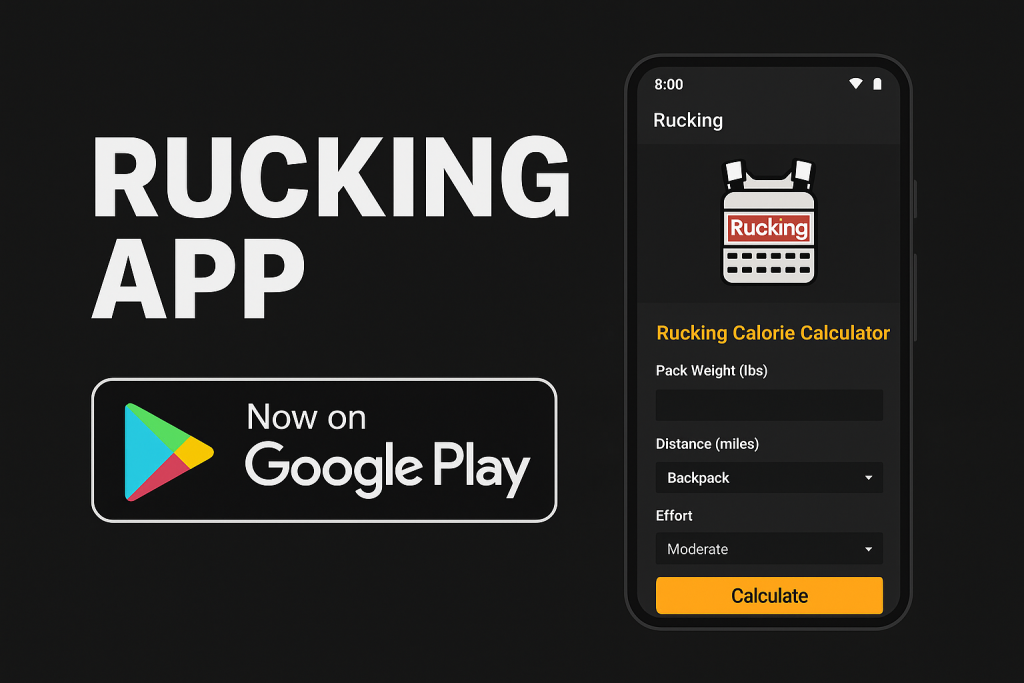
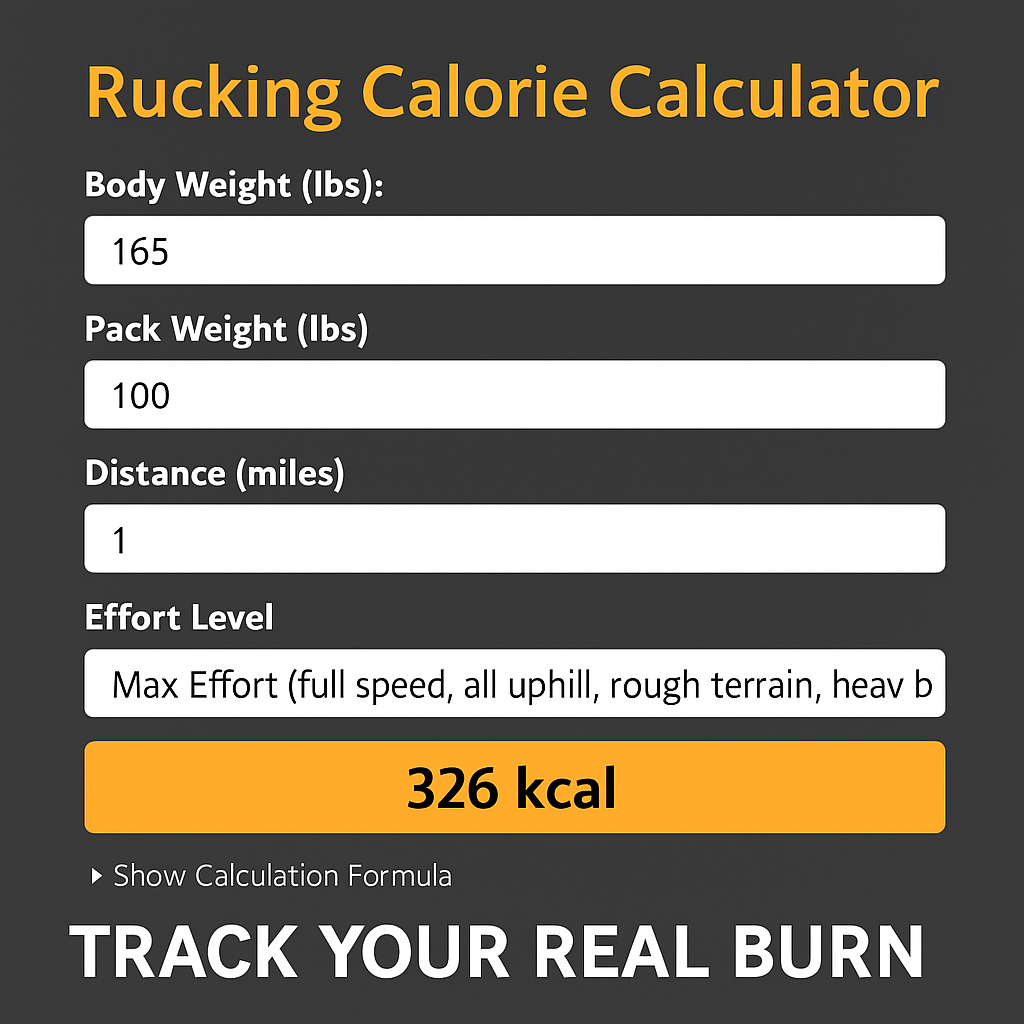
Curious how many calories you burn during a weighted walk or ruck? Use this calculator to dial in effort and track progress. It works great for weighted vest walking and backpack rucking.

Fit, posture, and safety
- Secure the load: Plates should be clamped or pinned tight so they don’t rattle. Loose plates waste energy and stress joints.
- Strap tension: Snug enough to prevent bounce, loose enough to breathe. Take a full inhale; if straps pinch or your ribs can’t expand, loosen slightly.
- Neutral spine: Keep ribcage stacked over pelvis. If the vest pulls you forward, reduce load or raise the plates higher.
- Joint-friendly progressions: Add volume before load. Master range of motion and tempo, then increase weight.
Recommended plate-loaded and plate-carrier options
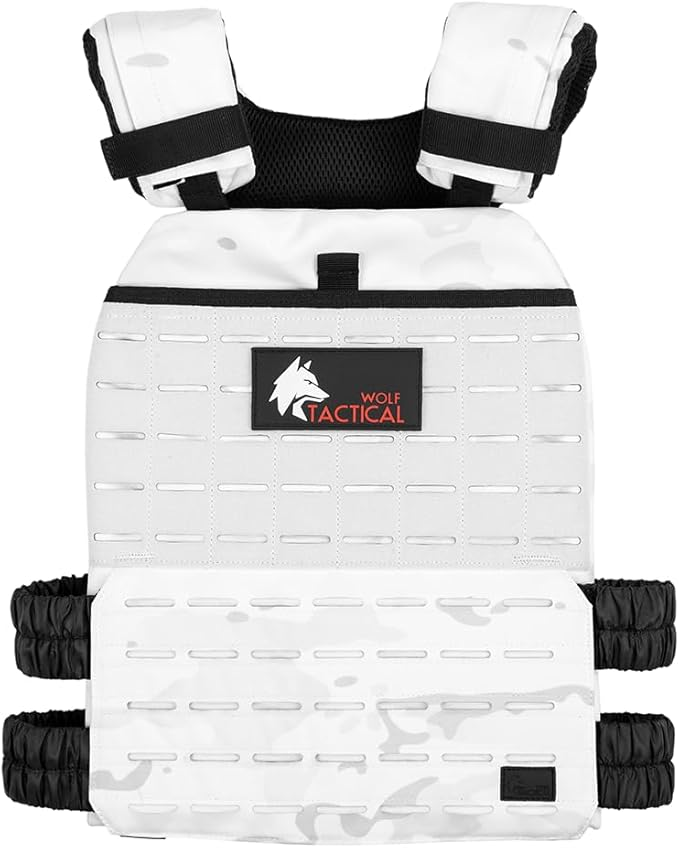
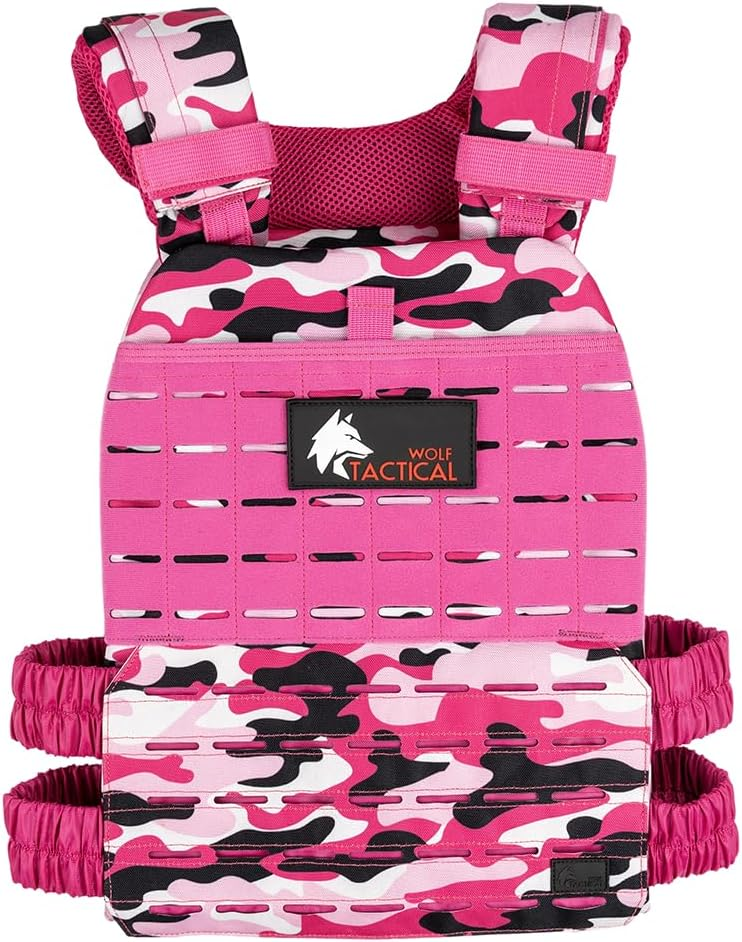
If your goal is heavy, progressive calisthenics with standard plates, consider the Kensui EZ-VEST® MAX V2. For simpler conditioning with carrier-style plates, pair a compatible vest with WOLF TACTICAL Weight Vest Plates.


Whether you choose a plate loaded weight vest for maximal strength or a plate carrier for conditioning, prioritize stable load placement, clean technique, and gradual progression. That’s how you build durable strength and conditioning without beating up your joints.